
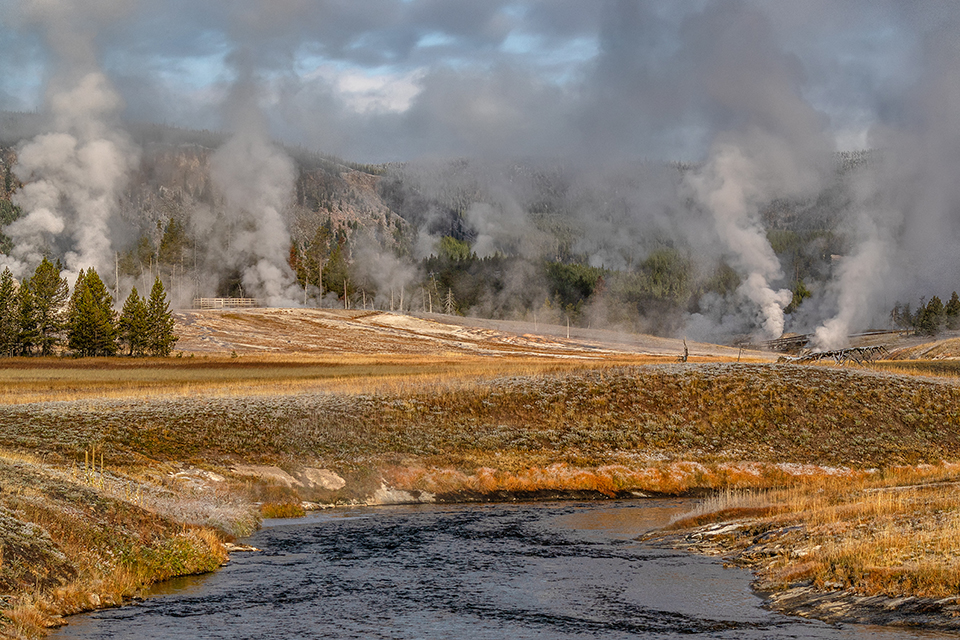
You readers have been reminded in numerous Traveler articles that there are currently 423 units within the National Park System. Yet most of the nearly 300 million visitors to the National Park System in 2021 visited just 25 of those 400+ units. While I get that the top 25 units are Big Ticket or Bucket List items for many, if not most of you, there are other park units out there – different but just as interesting with far less crowds. Oh, they may not be your primary trip destination, but they are still a destination along your way and worthy of your time.
Have you ever wondered what constitutes a unit and what each unit represents? Do you know what constitutes the difference between a national park versus a national monument versus a national recreation area? What’s the difference between a national historic something-or-other versus a national historical something-or-other? Heck, I contribute to the Traveler and even I need a primer at times when it comes to units within the National Park System. So, I thought I’d write a condensed version summing up what you can find here and here and here and here. Oh, and FYI, units are often referred to as parks. Even if they have different names (national monument, national seashore, national historical site), they are all parks.
National Parks (63 Units)
Considered the “crown jewels” of the National Park System, national parks are “generally large, diverse areas with outstanding natural features and ecological resources.” They are the most “strictly protected” and Congress has “historically” been loathe to allow “consumptive activities” such as mining or hunting in national parks. Based upon my own visits to national parks, I’ve noticed, as a rule, that these particular units possess the best infrastructure, from park buildings to lodging within and outside of the parks, well-maintained trails, and in-park campgrounds. National parks also have more information on their NPS websites, with all sorts of cool bells and whistles for the really large parks (I’m thinking of Yellowstone, Yosemite, and Great Smoky Mountains national parks, for example). Of course, this is because national parks receive the lion’s share of federal monies, and have more and/or larger Friends groups who help raise funds for various national park needs.
National Monuments (84 Units)
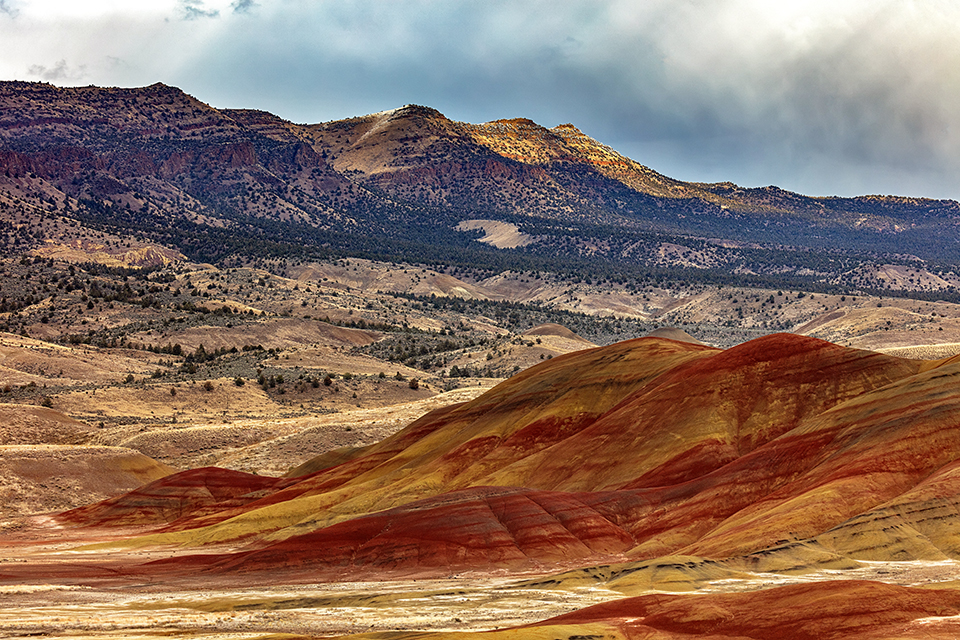
National monuments tend to be smaller and less diverse than their Big Sibling, often protecting a “single significant resource … rather than a variety of natural and historical attractions.” Many national monuments have ultimately been redesignated as national parks. Not all national monuments have campsites within their boundaries, much less brick-and-mortar lodging. For instance, you cannot camp in John Day Fossil Beds National Monument in Oregon, but there are nearby BLM and USFS lands on which you may pitch your tent. Not all of these national monuments have any real infrastructure to speak of, and often, there are no nearby services (make sure your car is gassed up and you have packed water and food). National monument websites also tend to be a little more bare bones and you may need to drill down a bit to reach the desired information.
National Preserves (19 Units)

National preserves can be as large and diverse as national parks, but they “explicitly allow certain activities not generally permitted in national parks [like hunting and oil and gas exploration].” Half of the national preserves are located in Alaska (Noatak National Preserve, for example).
National Reserves (2 Units)
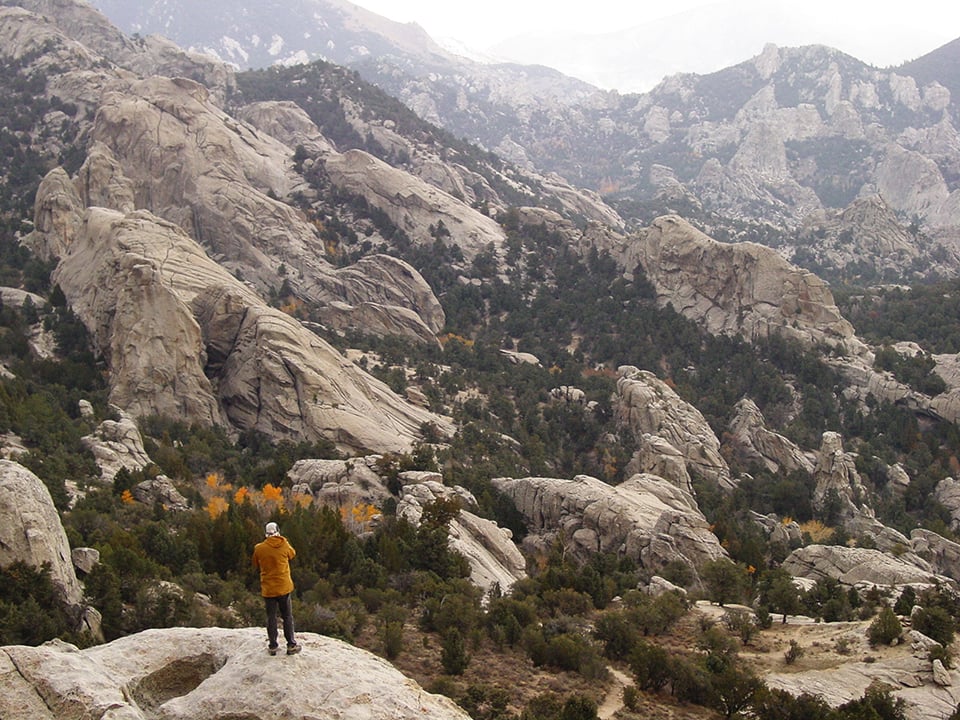
National reserves are like national preserves, but they are managed “in partnership with state, local, or private entities” (ex. City of Rocks National Reserve)
National Recreation Areas (18 Units)
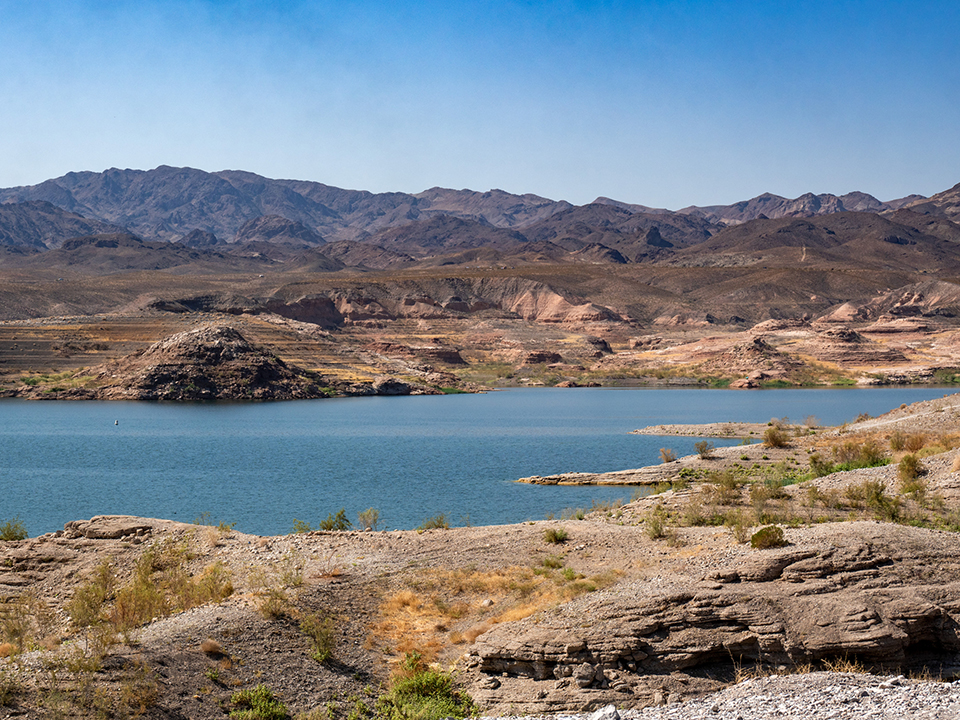
National recreation areas were originally designated around regions with water, such as Lake Mead National Recreation Area, so water-based recreation like boating and fishing are authorized in these places. Now, other outdoor areas too – particularly those near urban centers – are also included as NRAs, and hunting is often authorized within these particular units.
National Lakeshores (3 Units) and National Seashores (10 Units)

Guess what features these units center around. Yes, lakefront and coastal areas, like Apostle Islands National Lakeshore and Padre Island National Seashore. “Recreation is the primary focus of these units.” You’ll find such infrastructure as roads, parking areas, and other facilities designed to enable recreational pursuits. Some of these particular units also allow hunting.
National Rivers (4 Units) and Wild and Scenic Rivers and Riverways (10 Units)
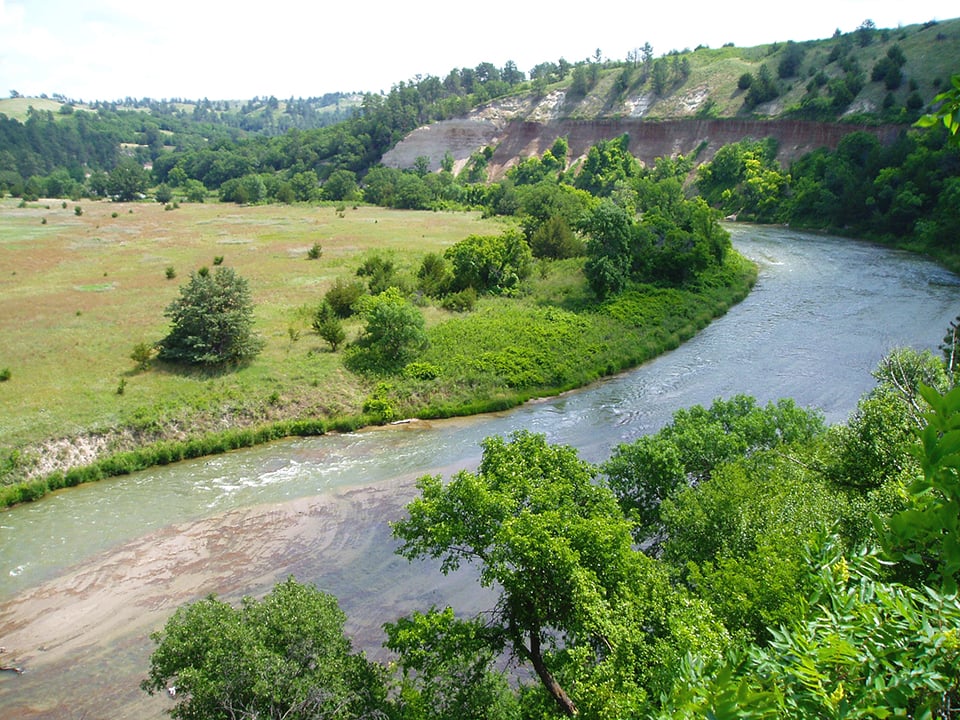
These units, like Buffalo National River and Niobrara National Scenic River, were designated to protect and preserve rivers and the landscapes around those rivers “in their natural state, unaltered by dams or channels.” Canoeing, hiking, and other outdoor activities (hunting in some) are on offer here.
National Scenic Trails (3 Units)

The national scenic trails, “managed as full park units” and winding through multiple states, are administered for recreational pursuits, mainly hiking. Appalachian National Scenic Trail is an example of this type of unit, running through 14 states.
National Parkways (4 Units)

Vroom vroom! These units encompass roads and surrounding landscape as well as cultural sites. Designed for recreational driving, some of them, like George Washington Memorial Parkway, for example, are also “heavy commuter routes.”

Ok, before we go any further, let’s work on the difference between the terms “historic” and “historical.” According to merriam-webster.com, “historical is used as the general term for describing history … while historic is now usually reserved for important and famous moments in history.” So, Lewis and Clark National Historical Park encompasses the history, life, and living conditions of Lewis, Clark, and their Corps of Discovery during their sojourn and activities in this area, while Lewis and Clark National Historic Trail focuses upon the details of a particular time and event in history: their trek through 16 states to reach the Pacific Ocean while searching for the fabled “Northwest Passage.”
National Historic Sites (73 Units) and International Historic Sites (1)
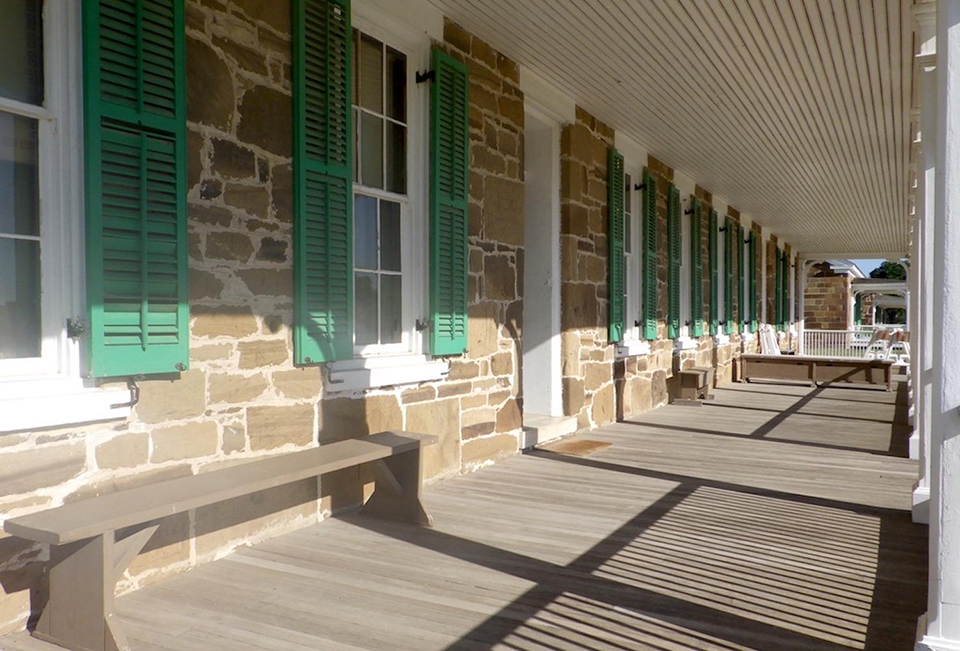
Historic sites, like Fort Larned National Historic Site (about which the Traveler has written a number of articles, including this one) designate places significant to U.S. History. These tend to be smaller than national parks or national preserves – some only have a single building and cover an area less than one acre.
National Historical Parks (62)
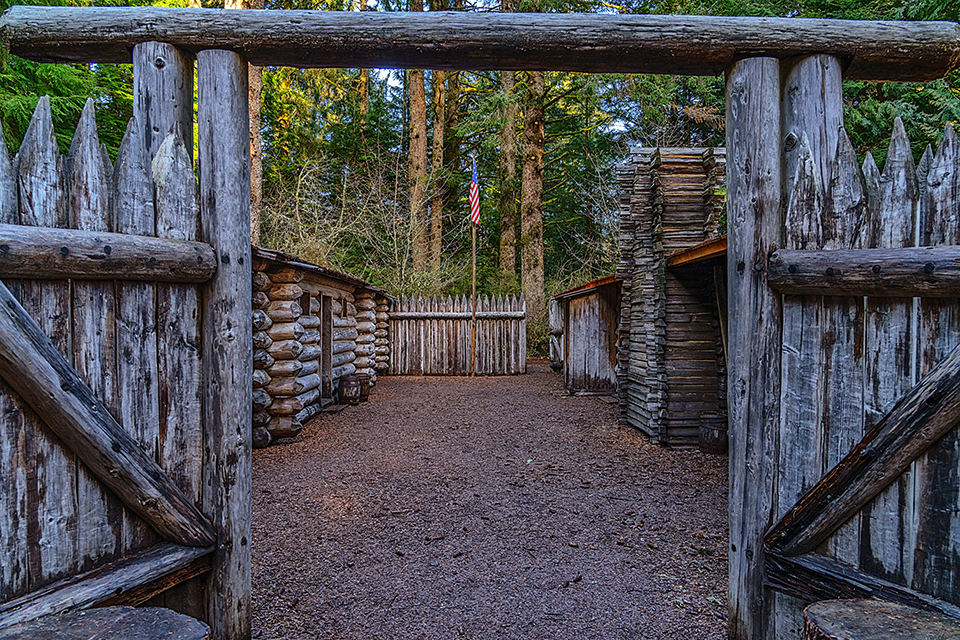
National historical parks are “notable for their connection of events or people of historical interest. They usually have more than a single building or even a single property, are urban tracts or “historically interesting buildings,” and might contain “natural attractions in addition to historical resources.” So, Lewis and Clark National Historical Park, mentioned earlier, is a park connected to the history of the arrival of the Corps of Discovery at the Pacific Ocean and the people themselves, such as Captains Meriwether Lewis and William Clark.
National Battlefields (11 Units), National Battlefield Sites (1 Unit), National Battlefield Parks (4 Units), National Military Parks (9 Units)
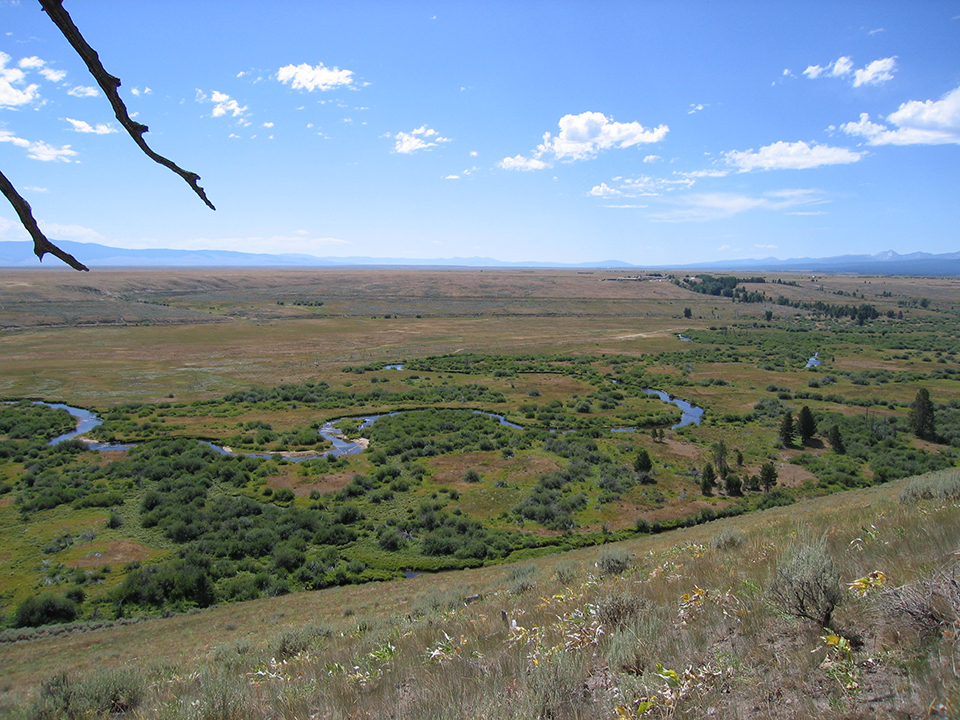
These units (ex. Big Hole National Battlefield) “designate locations of significant military actions.” This includes landscapes upon which battles occurred as well as military and civil structures. Of these units, the largest are most often national battlefield parks and national military parks.
National Memorials (31 Units)

National memorials commemorate people or events (think Lincoln Memorial or the World War II Memorial) but they don’t need to be located at historically significant sites to commemorate said people or events.
Other Designations (11 Units)

There are a number of areas in the Washington, D.C. region, administered by the National Park Service but which don’t fit neatly into any of the previously listed units. This includes such places as the White House, Catoctin Mountain Park, and Wolf Trap National Park for the Performing Arts.
If you take out your calculator and add up these numbers, they come to 423 units within the National Park System that are administered by the National Park Service. Not included, however, are what the NPS calls “related areas,” including but not limited to, national historic trails (such as the Lewis and Clark National Historic Trail), commemorative sites, and national heritage areas.
“Related areas are linked in importance and purpose to places managed directly by the National Park Service by preserving important segments of the nation's natural and cultural heritage. They are designated by acts of Congress or by the Secretary of the Interior (affiliated areas). The majority of related areas are not units of the National Park Service and are managed by other government agencies or non-government organizations and landowners. The National Park Service is involved in related areas by directly managing the entire or sections of a related area, or by providing technical or financial assistance.”

Interestingly enough, I cannot find any mention of National Natural Landmarks as even a related area in any of the links at the top of this article, even though the “National Park Service has designated over 600 sites” as such “in recognition of their outstanding biological or geological features.” As a matter of fact, one of my future photo columns deals with my exploration of a national natural landmark (Drumheller Channels) in eastern Washington state, located along the route of a national geologic trail (Ice Age Floods National Geologic Trail, which also isn’t mentioned as even a related area in any of the links at the top of this article).
Ok, this article is just a “CliffsNotes” version, really. It’s one thing to read about all this, but another thing to actually visit some of these units. I’ve read that people have more buy-in to a place once they’ve actually visited. Sure, go visit the national parks if they are on your list, but why not add a different park unit to your itinerary, along the way. You might learn something new, definitely see new vistas, and experience it all with fewer crowds! That’s pretty sweet buy-in, if you ask me.
Stories about:
Story Categories:
A copy of National Parks Traveler's financial statements may be obtained by sending a stamped, self-addressed envelope to: National Parks Traveler, P.O. Box 980452, Park City, Utah 84098. National Parks Traveler was formed in the state of Utah for the purpose of informing and educating about national parks and protected areas.
Residents of the following states may obtain a copy of our financial and additional information as stated below:
- Florida: A COPY OF THE OFFICIAL REGISTRATION AND FINANCIAL INFORMATION FOR NATIONAL PARKS TRAVELER, (REGISTRATION NO. CH 51659), MAY BE OBTAINED FROM THE DIVISION OF CONSUMER SERVICES BY CALLING 800-435-7352 OR VISITING THEIR WEBSITE. REGISTRATION DOES NOT IMPLY ENDORSEMENT, APPROVAL, OR RECOMMENDATION BY THE STATE.
- Georgia: A full and fair description of the programs and financial statement summary of National Parks Traveler is available upon request at the office and phone number indicated above.
- Maryland: Documents and information submitted under the Maryland Solicitations Act are also available, for the cost of postage and copies, from the Secretary of State, State House, Annapolis, MD 21401 (410-974-5534).
- North Carolina: Financial information about this organization and a copy of its license are available from the State Solicitation Licensing Branch at 888-830-4989 or 919-807-2214. The license is not an endorsement by the State.
- Pennsylvania: The official registration and financial information of National Parks Traveler may be obtained from the Pennsylvania Department of State by calling 800-732-0999. Registration does not imply endorsement.
- Virginia: Financial statements are available from the Virginia Department of Agriculture and Consumer Services, 102 Governor Street, Richmond, Virginia 23219.
- Washington: National Parks Traveler is registered with Washington State’s Charities Program as required by law and additional information is available by calling 800-332-4483 or visiting www.sos.wa.gov/charities, or on file at Charities Division, Office of the Secretary of State, State of Washington, Olympia, WA 98504.


National parks and their natural resources belong to you. The National Parks Traveler works to ensure you know how these essential places are being cared for.
Sign Up For Our Weekly Newsletter
Unsubscribe at any time.
INN Member

The easiest way to explore RV-friendly National Park campgrounds.

Here’s the definitive guide to National Park System campgrounds where RVers can park their rigs.
Our app is packed with RVing- specific details on more than 250 campgrounds in more than 70 national parks.
You’ll also find stories about RVing in the parks, tips helpful if you’ve just recently become an RVer, and useful planning suggestions.


Comments
Nice article...but...
3 million visitors to the national park system?
Great smokie mountains alone has 14 million visitors per year.
Also the strange focus on websites has nothing to do with designation, it just reflects whether the park has been able to hire a high quality visual information specialist in the past and kept their focus on the website.
Whoops! Nice catch! I meant 300 million visitors! I'll make the change.
As for the website thing, your statement about being able to afford to hire those "high quality visual information specialist[s]" is, to me, an indicator that the more thorough (and perhaps snazzier, fuller) websites are those operated by the national parks (the ones that get more money than, say, the smaller or less-visited park units).
That is an easy assumption to make regarding digital assets, however, it really depends on the park and their direction. A park like Lewis and Clark NHP operates one of the best instagrams in the agency; Harry S Truman NHS used to be best in the park service at Facebook, and the Manhattan Project NHP has some of the most thoughtfully designed app content. It really just depends on whether they are able to find the funds or put together a project that allows them to hire a high quality Visual Information Specialist and what existing resources the park has in digital formats.
I count 5 parkways not 4:
George Washington
Baltimore-Washington
Blue Ridge
Natchez Trace
Rockefeller
Loui - according to the NPS.gov, they count 4 parkways. https://www.nps.gov/aboutus/national-park-system.htm (it's one of the links in the first part of this article. Same for another link up there - the Congressional Research Report (which is, admittedly, a little older) https://www.everycrsreport.com/reports/R41816.html
I'm not disputing you, but I do go with whatever I see on the National Park Service sites. Until I see something different from them, I tend to give them the last word.
What I've seen is that the discipline can vary. In some cases as historian, others a curator, or archivist. Someone, with interest and connection, gets the records seen.
I see the NPS identifies 4 "parkways" but has websites for 5 "parkways". Your article accurately reflects the official government line.
I'm just an average, literate American. This is a perfect example of how the inward focused bureacracy can tell the public one thing and simultaneously do something else that is mutually exclusive. The BW Pkwy even has its own 4 letter code. Yes, I'm sure the BW Pkwy is prob administered by some over arching official unit, but that's government speak. I'm just reading the words on the page. And our government should speak to We the People in plain language. I am only making this observation to highlight how worthless these designations really are.
Below is the link to the official government website for the Baltimore Washington Parkway. Just remember when you look at it, your government says it's not a parkway...
https://www.nps.gov/bawa/index.htm
Loui/ Rebecca and Others –
Much of your (and no doubt others’) confusion about the National Park System - stems from what is considered and what is not - consideredan official unit by National Park Service, which makes absolutely no sense and uses only limited logic, seemingly determined by congressional enabling legislation, presidential proclamation or intent of the above.
This is no more confusing example than unit designation/assignment for the units or areas which make up the Region 1/National Capital Region of the Park Service.
See also - previously published traveler articles
Are There Really 391 Units in the National Park System? You Won’t Think So After You Read This! | National Parks Traveler
National Park Designation is an Unholy Mess | National Parks Traveler
And my favorite article from the George Wright Forum which makes light of the mess of unit or park titles –
Beyond the 59th Park: Reforming the Nomenclature of the US ... - Flipbook by | FlipHTML5
Understand that the NPS makes this further confusing by leading the general public into thinking that official webpages correspond roughly to park units – mostly the case but with many exceptions.
Do not confuse Administrative Units with Actual National Park System Units (423)!
For example Kings Canyon NP and Sequoia NP are by unit count two separate units or parks – Kings Canyon – KIKI, Sequoia – SEQU – but – both units are administered as one - Sequoia/Kings Canyon or SEKI – one website, one superintendent, one park brochure,etc.
In the DC Area it gets even more complicated – several of the 423 units are administered under National Mall and Memorial Parks - NAMA and others under National Capital Parks – East – NACE,ROCR,etc.
In fact when one looks at the official NPS article on Unit Counts one is lead to believe that NAMA and NACE are part of the 423 units – when in fact – they are not – they are administrative units!
The Washington Monument - WAMO – is an official unit but is also administered by NAMA. The African American Civil War Memorial – AFAM – is not - but is also administered by NAMA.
Soooo--- Confused - What’s a simple way to look at this ??
All DC area units that are separate and distinct and part of the 423 (and often most famous – with exceptions) – are listed here National Park System (U.S. National Park Service) (nps.gov) - with the following two exceptions –
The National Mall or MALL – is a separate unit and contains most NPS land on the Mall (including the land which many Smithsonian Museums sit)
The National Capital Parks or NACA – is like a catchall for all NPS owned or administered lands in DC,MD,VA – not assigned to one of the Units listed above – in other words if it’s not its own unit or part of the George W Memorial PKWY (like Marine Corps War Mem, Oxon Cove Farm) – it’s likely part of NACA - including –
A. Many large non-unit parks – including Anacostia, Fort Dupont, the Fort Circle Parks (outside GWMP), Kenilworth Aquatic Gardens
B. Small NPS owned neighborhood parks and Circles/Squares/Triangle Greenspaces
C. Many less-known monuments/memorials like – AFAM
D. Baltimore – Washington Parkway, Suitland Pkwy
National Capital Parks - Wikipedia
So there you have it – clear ?? Logical ? Remember – it’s the federal government.
Look at NPS’s Land Resources Division – Tracts Map – it shows like no website or list can – what’s – what.
TractsNet AGOL Public (arcgis.com)
Look at the area between WWII and Lincoln Mems - the Reflecting Pool is part of NACA, COGA is an enclave within that and VIVE is an enclave within that – so crazy… - but it is essentially one continuous NPS park.
The confusion continues outside the US Capital.
The Grand Canyon Parashant NM – has its own website, brochure and superintendent – but is technically part of Lake Mead NRA.
Several of the 423 units have no NPS land – Great Egg Harbor, Hohokam Pima (closed to the public even)
To make things even more confusing - The NPS owns land outside the 423 units of the System ….
Ice Age, and North Country NST’s have NPS owned land and a few other NHT’s as well – including visitor centers or offices – so the 423 units thing – only tells part of the story – I wish it were less confusing and the agency websites and literature told the actual story!! See the Tracts Map above...