

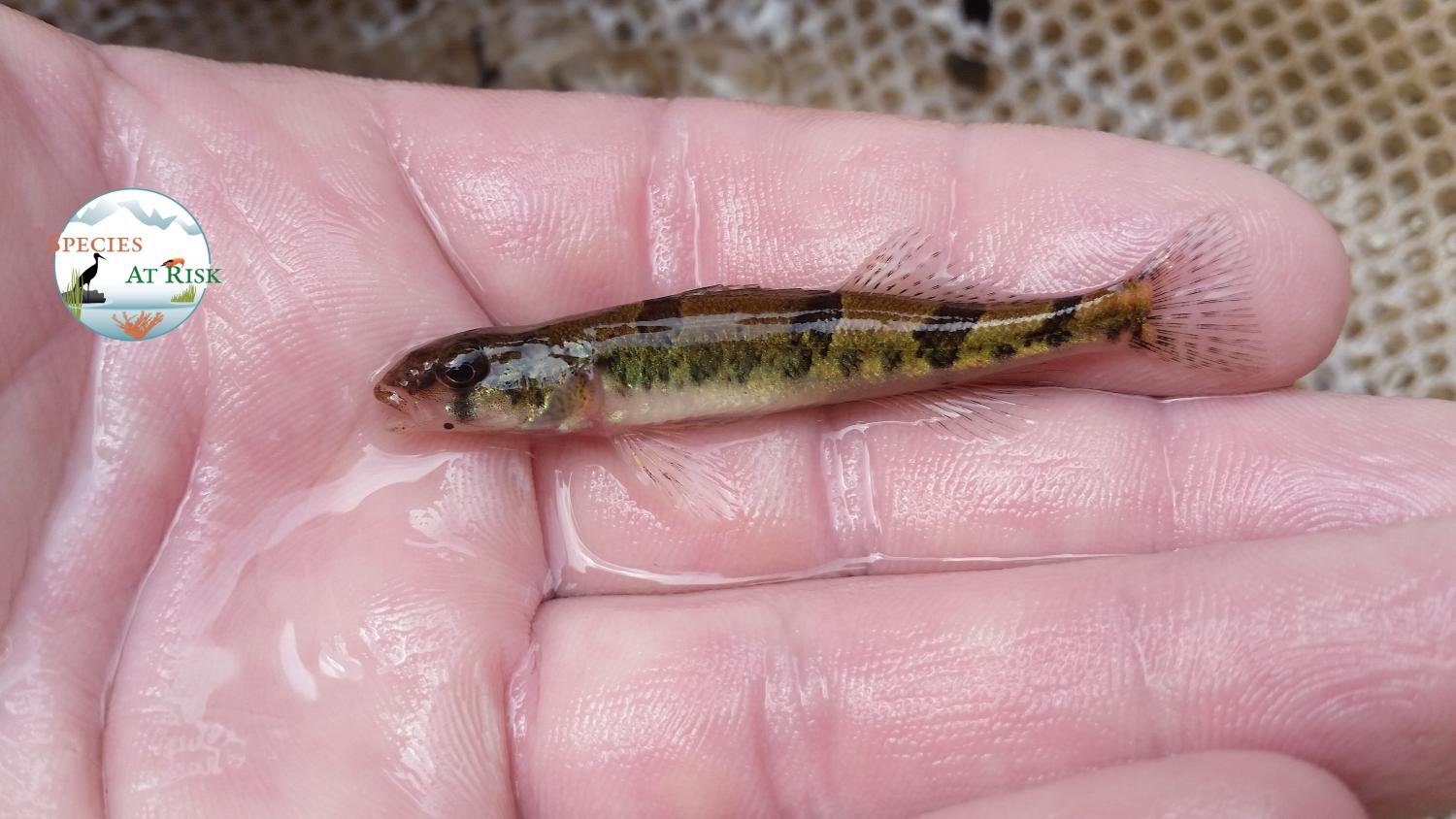
In the 1970s, the Tellico Dam, a concrete dam on the Little Tennessee River, was 95 percent complete. But the builder, the Tennessee Valley Authority had a problem – if the dam were finished, it would likely cause a tiny fish called the snail darter to go extinct. Under the newly enshrined Endangered Species Act, this made the completion of the project illegal.
Environmental groups, fearing for the survival of the snail darter, took the Tennessee Valley Authority to court. The case ultimately made it to the Supreme Court, which sided with the environmentalists. The language of the ESA, the court said, “admits of no exception.” The dam could not be completed.
Among those unhappy with the decision were several members of Congress. The remedy they devised was an exemption process that would rarely be invoked over the years, but has gained new traction under President Donald Trump. Trump directed federal agencies to make liberal use of that process to further his goals of resource extraction on federal lands, including during a recent decision that exempted oil and gas drilling in the Gulf of Mexico, potentially dooming Rice’s whale to extinction.
In the case of the Tellico Dam, one prominent voice was Republican Sen. Howard Baker of Tennessee, who wanted to see it completed for his state. Baker, along with several likeminded senators, created a number of amendments to the ESA, which President Jimmy Carter signed into law. The Endangered Species Committee was born.
The committee provides a way for Congress to override the powerful species protections of the ESA for specific federal projects, but only after a complicated series of steps is taken, a process the committee in its most recent meeting allegedly abandoned. The Endangered Species Committee's decisions could, in effect, wipe out the existence of a species, like the snail darter, which led the committee to be nicknamed the “God Squad.”
The committee holds seven votes: the secretaries of the departments of Interior, Agriculture, and the Army, administrators of the Environmental Protection Agency and National Oceanic and Atmospheric Administration, and chair of the White House Council of Economic Advisers. The seventh vote goes to a representative from any affected state or states, to be appointed by the president.
“The committee is bound by stringent statutory requirements,” explained Robert Fischman, a professor of law at Indiana University Maurer School of Law. “It's called a formal adjudication where you have all sorts of procedural protections.” Among them was a requirement that all communications to this committee and its deliberations must be open to the public.
Several other procedures are required before the God Squad can make a ruling on an application to go around normal species protections.
“Once the Interior secretary finds that statutory prerequisites are met,” explained Jane Davenport, senior attorney in the Biodiversity Law Center at the nonprofit advocacy organization Defenders of Wildlife, “it leads to a formal, on-the-record hearing, like a trial, that an administrative law judge presides over to take testimony from the action agency, from the wildlife agency, from interveners, which could be members of the public or groups like Defenders of Wildlife, to build a detailed, public factual record of what are the stakes here, not only for the project, but also for the species itself. And only after that process, when the secretary has written a detailed report based on this formal public hearing, can the God Squad then vote.”
With this workaround in place, the committee was convened in 1978 to consider an exemption for the Tellico Dam. Likely to Baker’s dismay, the committee voted it down.
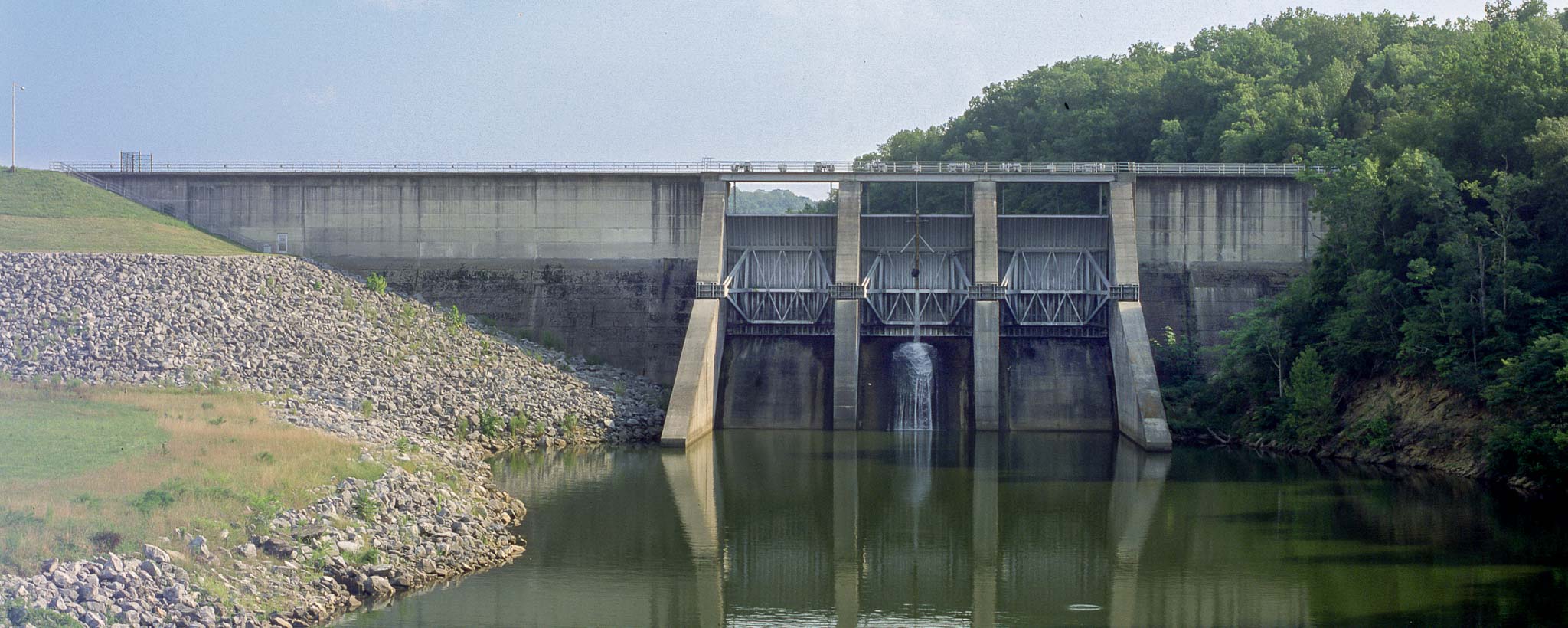
“The committee decided that no, it would not offer the exemption for the Tellico Dam, mostly because the committee is required to undertake a cost-benefit analysis,” said Fischman. “And the committee found that the benefits of the Tellico Dam not only were smaller than the harm to society from eliminating an entire species of fish, but that the benefits of the dam were actually even smaller than the remaining amount of money that Congress had appropriated to complete the dam.”
Baker was not yet willing to concede defeat. After the committee rejected the sought after exemption, Congress at his behest enacted an appropriations bill with a rider that ordered the dam to be completed.
“President Carter, who was not only a supporter of the Endangered Species Act but particularly passionate about fishing and boating, did not want to have the extinction of the snail darter occur under his signature,” explained Fischman. “But there were too many important priorities of his administration funded by this huge omnibus funding bill. He didn't want to shut down government over it, so he self-admittedly signed it with reluctance.”
The dam was completed in 1979, but the snail darter got a happy ending.
“They rescued some of the snail darters and transplanted them to other streams. Later, they found other populations, and because of the conservation work that went into saving the snail darter, [it] is actually an ESA success story,” said Davenport. “It was delisted. It is no longer protected because it recovered thanks to the ESA, no thanks to Congress and the Tellico Dam.”
In the years since the Tellico Dam vote, there have only been six other applications to the God Squad. Three were eventually withdrawn, and three have gone to a vote:
- The committee voted in 1978 to exempt the Grayrocks Dam in Wyoming, which put the endangered whooping crane at risk of extinction. However, the exemption came with mitigation measures that ultimately saved the whooping crane.
- In the early 1990s, the committee considered an exemption for a series of timber sales in Oregon that would harm the threatened northern spotted owl.
“This was kind of the height of the timber wars in the Pacific Northwest,” said Davenport. The committee voted to grant an exemption. However, when the Clinton administration came into office a year later, it withdrew the timber sales while undertaking a comprehensive Pacific Northwest strategy for protecting the northern spotted owl, with restrictions that dramatically curtailed timber sales.

“In addition,” said Fischman, “the Court of Appeals ultimately held that those [timber sale] exemptions were invalidly granted by the committee,” due to White House communications with committee members that were not put on the public record as is required. “That invalidated the rules for exemption.”
After the timber sales vote, the God Squad went quiet for more than 30 years.
Most projects instead used an informal process, much like a negotiation between government land managers and proponents of projects, that helps to determine how the projects can move forward without putting ESA-listed species at risk. The God Squad, then, is rarely needed.
“Most of the time, the wildlife agency comes up with what's called a reasonable and prudent alternative to jeopardy,” allowing a project to proceed if it uses mitigation measures to reduce the impact on wildlife and critical habitat, said Davenport.
“The idea there was that the process established by the Endangered Species Act itself should handle the once-every-blue-moon situation where, notwithstanding the absence of reasonable and prudent alternatives, we think that it's a good idea to go forward with the project that would be likely to jeopardize the continued existence of a species,” said Fischman.
The most recent God Squad vote occurred in March, when the committee voted to exempt oil and gas drilling in the Gulf of Mexico from endangered species requirements, in essence overruling federal marine wildlife safeguards such as safe-speed regulations for oil and gas industry ships, and requirements that they monitor the location of whales to avoid boat strikes.
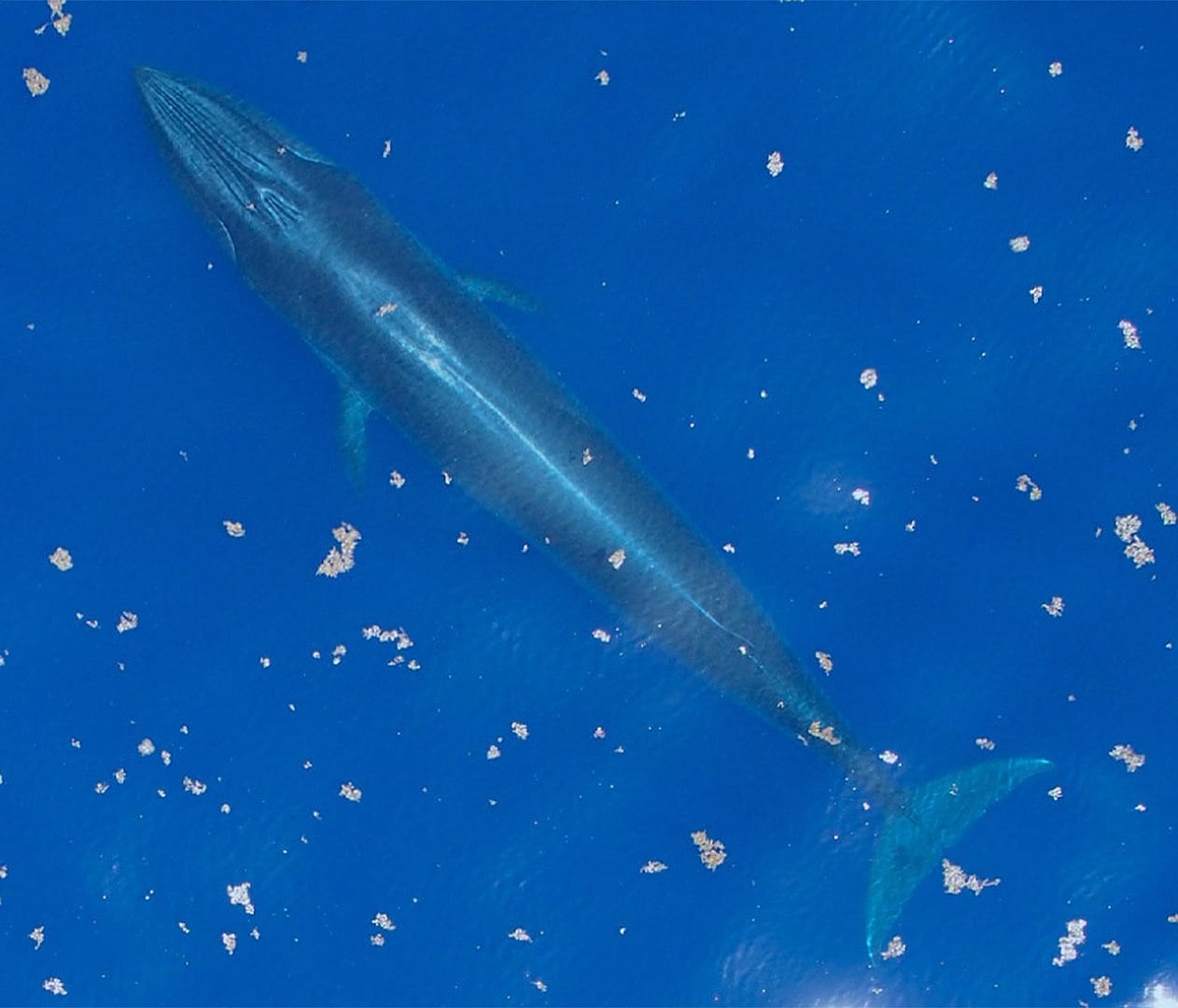
Lacking mitigation measures to protect Rice’s whale, the species has little hope to avoid extinction, according to the Center for Biological Diversity and other conservation groups. Rice’s whale is the only whale endemic to the United States, and there are only about 50 individuals left.
In response to questions from the Traveler about the rationale for the exemption, White House spokesperson Taylor Rogers said in an email, “The secretary of War determined that the oil and gas production in the Gulf of America required an exemption under the ESA as it is necessary and essential to the United States’ national security. As authorized under the ESA, the Committee unanimously voted to grant an exemption to Gulf of America oil and gas activities from the ESA so that America’s energy streams would not be disrupted or held hostage.”
According to the U.S. Energy Information Administration, in 2022 oil and natural gas production in the Gulf of Mexico accounted for about 15 percent of total U.S. crude oil production and about 2 percent of total U.S. dry natural gas production.
Several conservation groups, including Defenders of Wildlife, are challenging the committee’s action, contending among other things that it voted for the exemption after only 15 minutes of discussion and after having met none of the conditions for such a vote.
“Let me just be really clear,” said Davenport. “There's zero of the conditions they would need to meet in order to tee up a lawful vote.”
One such missing condition that Defenders and other conservationists point to is reasonable project mitigation to reduce impacts on Rice’s whale. In May 2025 – before the 2026 God Squad vote – such alternatives had been issued for all oil and gas drilling activities in the Gulf by the National Oceanic Atmospheric Association (NOAA), including speed limits for boats and the use of whale detection systems.
Oil and gas projects have proceeded in the Gulf using those mitigation rules, said Fischman. “So, it's not clear to me why you'd even need to convene the God Squad, but it seems like a maximalist step. It’s using a nuclear bomb to eradicate a weed.”
“This administration's brand is undertaking actions that seem on their face to be beyond the scope of rule of law and defying the judiciary to stop them,” continued Fischman, adding that the “very boldness” of convening the God Squad fit that mold.
Natural Resource Goals
The committee’s Gulf ruling comes as Trump is directing broader federal resource-extraction efforts.
The president issued executive orders in 2025 making it clear that natural resources on public lands and waters should be utilized to their fullest, emphasizing economic benefits, despite potential damage to wildlife and ecosystems.
The president’s “Unleashing American Energy” order says U.S. policy will be “to encourage energy exploration and production on Federal lands and waters.” The order refers to “an abundance of energy and natural resources” that contribute to the country’s “economic prosperity.” It further states that “burdensome and ideologically motivated regulations” in recent years have blocked those potential benefits.
“This administration is already chipping away at the ESA. Their agenda is clear,” said Davenport. “They want America's wildlife resources and America's public lands to prevent no obstacles whatsoever to private profit making from extractive industries.”

The 2026 exemption decision is not yet sealed, however. The Endangered Species Committee framework includes a judicial review provision allowing people to challenge God Squad decisions in a federal appellate court.
Defenders of Wildlife and other groups have filed petitions for review of the Gulf exemption in the U.S. Court of Appeals for the D.C. Circuit.
While the groups have publicly pointed out the brevity of discussion and lack of mitigating measures, the petitions pay particular attention to the “national security” justification used by the secretary of Defense in the committee’s decision, especially considering the reasonable and prudent alternatives that were already in place.
Aside from the fate of Rice’s whale, the recent God Squad vote is giving rise to fears about what it could mean as a precedent for future projects that harm listed species.
“If the court of appeals upholds this very broad exemption for extensive onshore oil leasing and development activities, it would open the door wide for other activities like water diversions, dam management, and fossil fuel infrastructure. It is hard to imagine where the Trump administration’s pretext of national security would stop,” said Fischman.
House Natural Resources Committee Ranking Member Jared Huffman, D-Calif., referred to the vote as “grotesque pay-to-play pageantry” and said it was a “sham” and “so clearly illegal that it will not stand.”
Aside from the appeals court, options to reverse a broad exemption like the Gulf decision are not clear.
“In enacting the exemption process, Congress was picturing things like the Tellico Dam, like the Grayrocks Dam, or 13 timber sales with discreet boundaries,” said Fischman. “But this Gulf exemption is about a broad program of leasing and development. It's just an enormous scope, more nebulously defined exemption and one that continues for decades—as long as oil companies can extract paying quantities of oil from their leases.”
Where the court system lands on the Gulf decision may define the power of the God Squad for decades to come, he said.
Story Categories:
A copy of National Parks Traveler's financial statements may be obtained by sending a stamped, self-addressed envelope to: National Parks Traveler, P.O. Box 980452, Park City, Utah 84098. National Parks Traveler was formed in the state of Utah for the purpose of informing and educating about national parks and protected areas.
Residents of the following states may obtain a copy of our financial and additional information as stated below:
- Florida: A COPY OF THE OFFICIAL REGISTRATION AND FINANCIAL INFORMATION FOR NATIONAL PARKS TRAVELER, (REGISTRATION NO. CH 51659), MAY BE OBTAINED FROM THE DIVISION OF CONSUMER SERVICES BY CALLING 800-435-7352 OR VISITING THEIR WEBSITE. REGISTRATION DOES NOT IMPLY ENDORSEMENT, APPROVAL, OR RECOMMENDATION BY THE STATE.
- Georgia: A full and fair description of the programs and financial statement summary of National Parks Traveler is available upon request at the office and phone number indicated above.
- Maryland: Documents and information submitted under the Maryland Solicitations Act are also available, for the cost of postage and copies, from the Secretary of State, State House, Annapolis, MD 21401 (410-974-5534).
- North Carolina: Financial information about this organization and a copy of its license are available from the State Solicitation Licensing Branch at 888-830-4989 or 919-807-2214. The license is not an endorsement by the State.
- Pennsylvania: The official registration and financial information of National Parks Traveler may be obtained from the Pennsylvania Department of State by calling 800-732-0999. Registration does not imply endorsement.
- Virginia: Financial statements are available from the Virginia Department of Agriculture and Consumer Services, 102 Governor Street, Richmond, Virginia 23219.
- Washington: National Parks Traveler is registered with Washington State’s Charities Program as required by law and additional information is available by calling 800-332-4483 or visiting www.sos.wa.gov/charities, or on file at Charities Division, Office of the Secretary of State, State of Washington, Olympia, WA 98504.
