
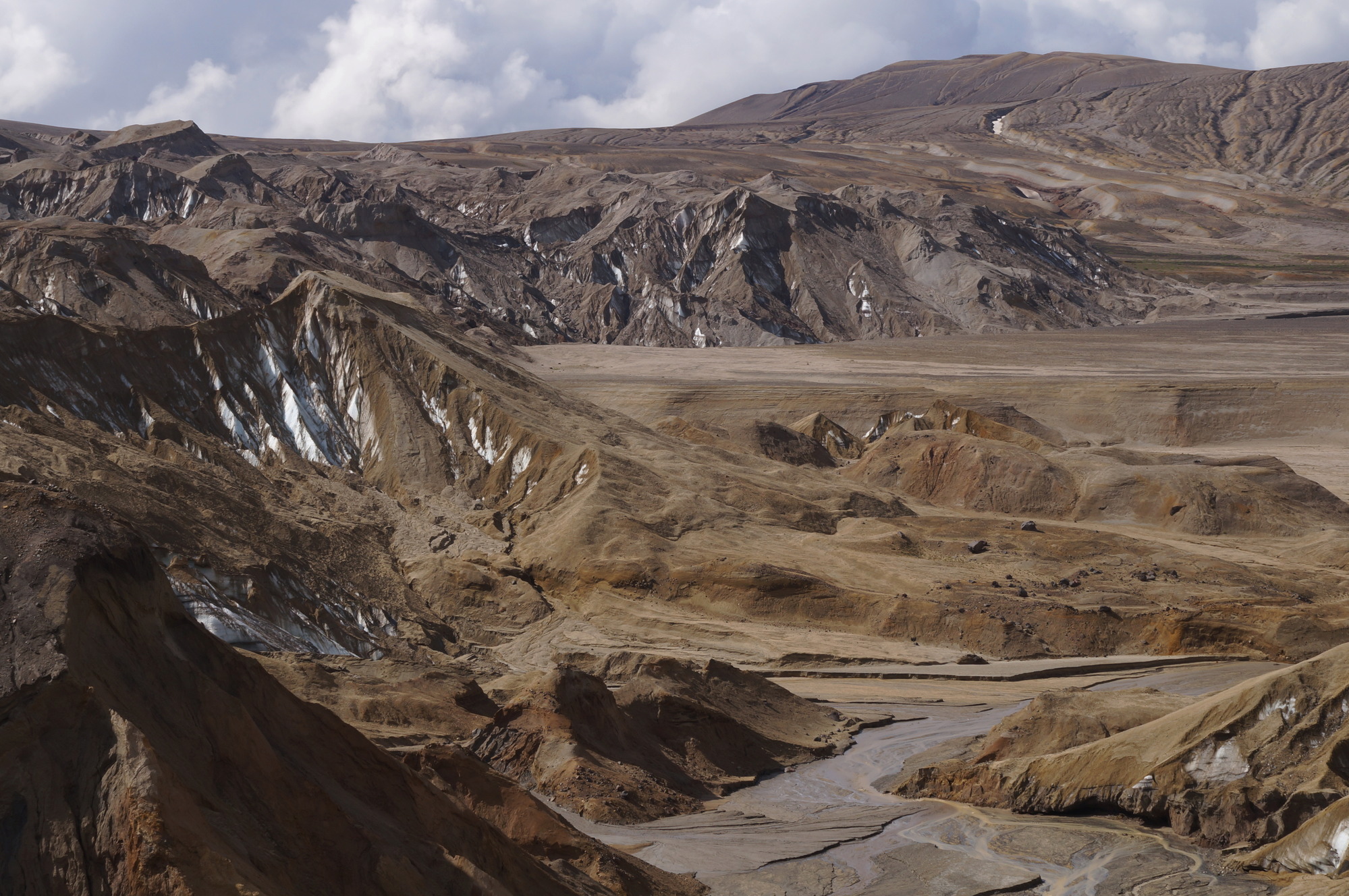
An undergraduate course being taught at universities across the U.S. is helping students understand climate change on a geological scale by helping them apply knowledge about the geology of specific national parks.
During the course, students “are empowered to examine satellite imagery to observe the impacts of anthropogenic climate change that have transformed the landscapes of America’s national parks over the last 40 years.”
The course, titled Geology of the National Parks, holds a great deal of importance for many undergraduate students, as Earth science is often missing from K-12 curriculums, and this may be the only course in the subject that they encounter during their university years.
In a recent case study from California State University, Fullerton (attached), two professors explain the various approaches used in their version of the course to help students connect both with national parks and with the processes driving climate change.
The course incorporated knowledge from several national parks, including Bryce Canyon, Zion, Grand Canyon, Yosemite, and Glacier.
For the course, addressing “[general education] curriculum things like writing, critical thinking, and application to the place we reside (i.e. USA) were all important factors,” Natalie Bursztyn, one of the professors and writers of the case study, explained. “If you visit any national park, you’ll find geology books in the bookstore.”
“Through a series of scaffolded writing exercises…students learn to distinguish between observations and interpretations, connect geological processes to past climate conditions, and recognize evidence of rapid, human-induced climate change,” says the case study.
The researchers point out that one of the main goals of the course is to help students understand “how new scientific knowledge is generated and to motivate them to participate in and critically evaluate current discussions of climate change, especially those in which interpretations of scientific data are being challenged by disinformation.”
Course activities analyzing sedimentary rock formations in Zion and Bryce Canyon National Parks helped students comprehend the scale of Earth’s changing climate. For example, students were taught to recognize cross-bedding in Navajo Sandstone at Zion National Park, which helped them better understand Earth’s past climate.
The course also utilized before-and-after photos from Kenai Fjords National Park and Glacier National Park, collected over the past century, to offer students visual evidence of recent changes to glaciers caused by climate change.
A final approach in the course asks students to engage with time-lapse videos from parks such as Gates of the Arctic National Park and Preserve, where they can observe the extent of ice loss since 1984.
“We always had students in the course complete the semester keen on visiting the parks – and often started with students who thought that Disneyland was one of them,” explained Bursztyn. “I also have had students e-mail me photos from their park visits, sharing their experience and what they remembered learning in the class.”
Versions of the same course are being taught across the country. A course syllabus from the University of Florida points out that beyond learning to identify the processes that have shaped the Earth, the information offered to students “will be related to cultural aspects and environmental issues.”
Another course syllabus from Southern Utah University highlights that the course will help students “[d]evelop an appreciation for the unique geologic landscapes of national parks and the western U.S.”
Many courses include materials from national parks across the U.S., including parks like Biscayne, Olympic, Crater Lake, Hawaiʻi Volcanoes, and others.

Stories about:
Story Categories:
A copy of National Parks Traveler's financial statements may be obtained by sending a stamped, self-addressed envelope to: National Parks Traveler, P.O. Box 980452, Park City, Utah 84098. National Parks Traveler was formed in the state of Utah for the purpose of informing and educating about national parks and protected areas.
Residents of the following states may obtain a copy of our financial and additional information as stated below:
- Florida: A COPY OF THE OFFICIAL REGISTRATION AND FINANCIAL INFORMATION FOR NATIONAL PARKS TRAVELER, (REGISTRATION NO. CH 51659), MAY BE OBTAINED FROM THE DIVISION OF CONSUMER SERVICES BY CALLING 800-435-7352 OR VISITING THEIR WEBSITE. REGISTRATION DOES NOT IMPLY ENDORSEMENT, APPROVAL, OR RECOMMENDATION BY THE STATE.
- Georgia: A full and fair description of the programs and financial statement summary of National Parks Traveler is available upon request at the office and phone number indicated above.
- Maryland: Documents and information submitted under the Maryland Solicitations Act are also available, for the cost of postage and copies, from the Secretary of State, State House, Annapolis, MD 21401 (410-974-5534).
- North Carolina: Financial information about this organization and a copy of its license are available from the State Solicitation Licensing Branch at 888-830-4989 or 919-807-2214. The license is not an endorsement by the State.
- Pennsylvania: The official registration and financial information of National Parks Traveler may be obtained from the Pennsylvania Department of State by calling 800-732-0999. Registration does not imply endorsement.
- Virginia: Financial statements are available from the Virginia Department of Agriculture and Consumer Services, 102 Governor Street, Richmond, Virginia 23219.
- Washington: National Parks Traveler is registered with Washington State’s Charities Program as required by law and additional information is available by calling 800-332-4483 or visiting www.sos.wa.gov/charities, or on file at Charities Division, Office of the Secretary of State, State of Washington, Olympia, WA 98504.


National parks and their natural resources belong to you. The National Parks Traveler works to ensure you know how these essential places are being cared for.
Sign Up For Our Weekly Newsletter
Unsubscribe at any time.
INN Member

The easiest way to explore RV-friendly National Park campgrounds.

Here’s the definitive guide to National Park System campgrounds where RVers can park their rigs.
Our app is packed with RVing- specific details on more than 250 campgrounds in more than 70 national parks.
You’ll also find stories about RVing in the parks, tips helpful if you’ve just recently become an RVer, and useful planning suggestions.

