

Happy New Year! If you’ve been taking it easy over the holidays, it’s time to get your brain working again with the first National Parks Quiz and Trivia piece of the New Year. Test your knowledge and find out how much you really know about units within the National Park System.
1. According to the Yellowstone Volcano Observatory:
Yellowstone National Park is among the highest CO2-emitting volcanic systems on Earth. The park's hydrothermal areas are constantly degassing, producing the billowing steam plumes and rotten-egg smell (from hydrogen sulfide, H2S, gas) that are iconic features of places like Norris Geyser Basin and the Mud Volcano are.
So, you’d expect sulfur dioxide (SO2) to be a part of the gasses escaping to the surface. That’s not always the case. When magmatic gases like SO2 rise through this water-saturated system, they undergo a process volcanologists call ___.
a) Ablution
b) Scrubbing
c) Deoxidizing
d) Desulfurization
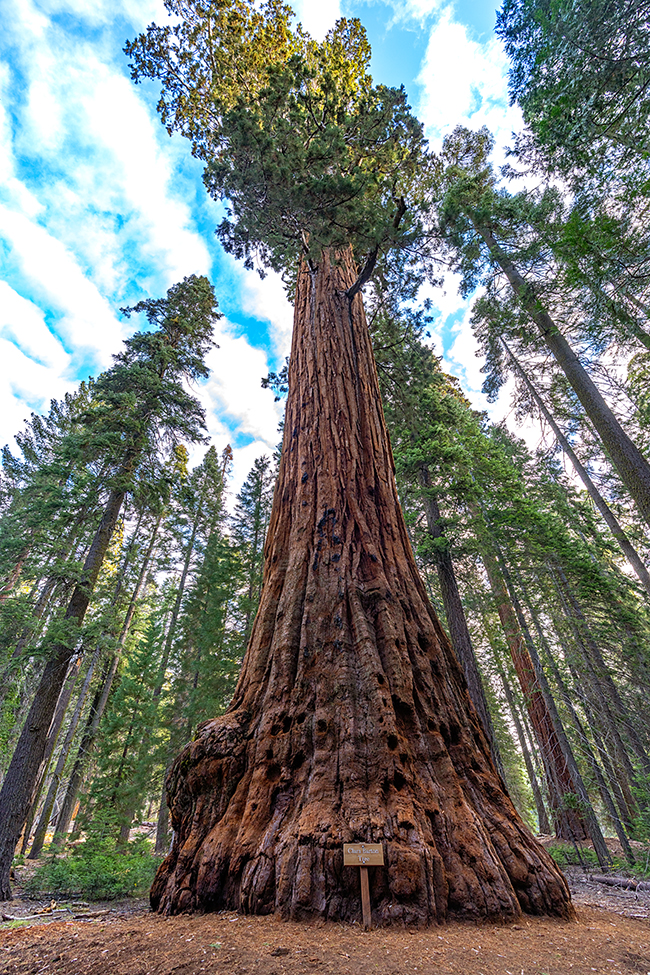
2. The giant sequoia trees you’ll see in Sequoia and Kings Canyon and Yosemite national parks, all in California, grow straight all the way to the top, whereas other tree trunks are wide at the bottom and taper off at the top. However, while a sequoia tree will stop growing upward after reaching a certain height to access direct sunlight, the trunk continues to grow, often with the base of the sequoia’s trunk flaring outward. This is known as ___.
a) Balance flare
b) Butt swell
c) Wide bottoming
d) Equilibrium growth

3. While hiking in a forest interior at Mount Rainier National Park in Washington State, you might notice a downed log or stump with fungus on it and what looks like dew drops on the fungus. This is not dew, caused by water vapor in the air condensing into liquid droplets on cool surfaces. Instead, this is a process called ___.
a) Guttation
b) Exudation
c) Pore squeeze
d) Hydathodation
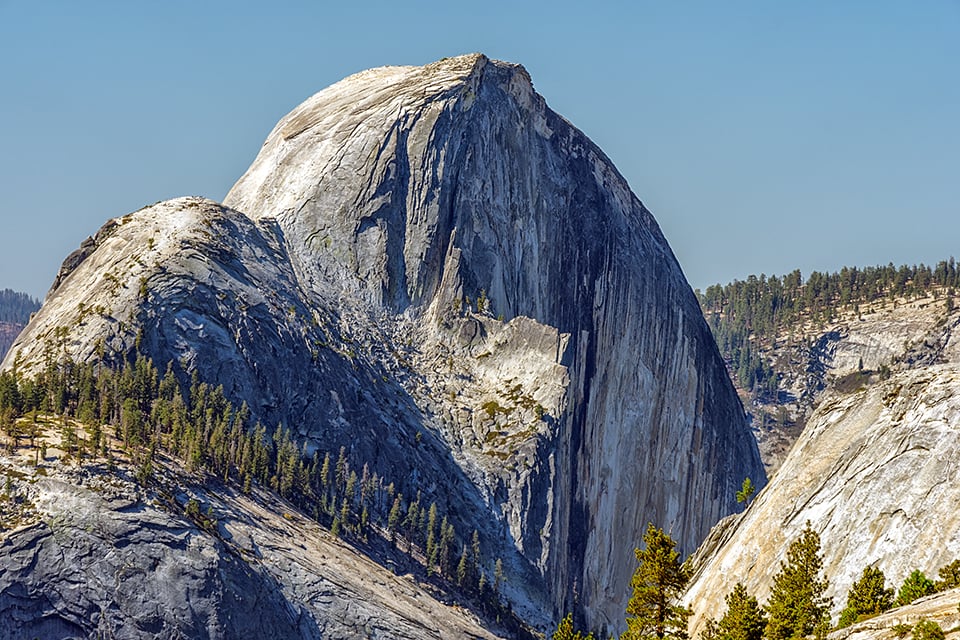
4. Yosemite National Park has 16 types of granite. Of these 16 varieties, there are four key granite types: El Capitan Granite, Half Dome Granodiorite, Bridalveil Granite, and ___
a) Glacier Peak Granodiorite
b) Tioga Pass Granite
c) Tuolumne Granite Porphyry
d) Cathedral Peak Granite

5. Visit Shenandoah, Great Smoky Mountains, or Yosemite national parks during the fall and you’ll feast upon brilliant colors of red, orange, yellow, and gold. This process of green leaves changing colors during the autumn is known as ___.
a) Leaf senescence
b) De-chlorophyllation
c) Abscission
d) Desaturation
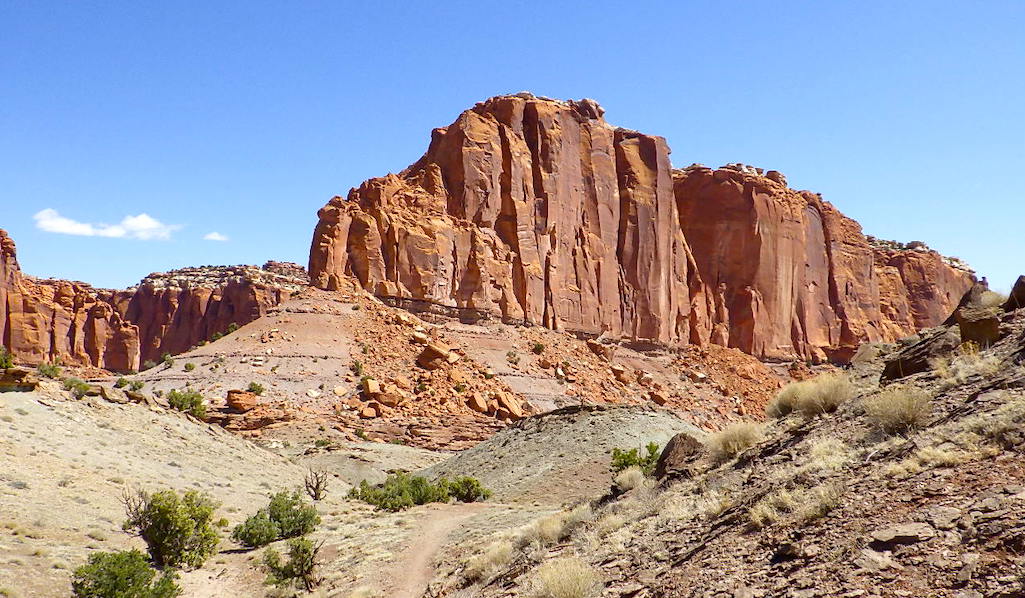
6. Nearly ___ feet of sedimentary strata were deposited in the Capitol Reef (Utah) area, representing nearly 200 million years of geologic history.
a) 10,000
b) 15,000
c) 20,000
d) 25,000
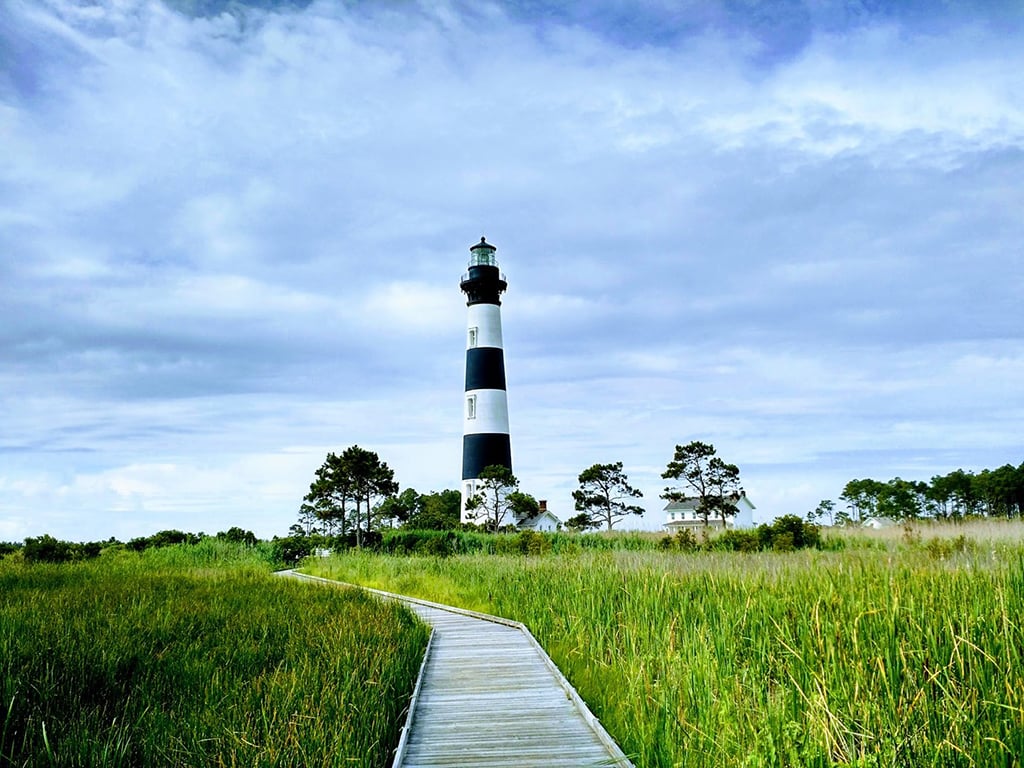
7. How many of you have visited one or more lighthouses within the National Park System? There’s the Sandy Hook Lighthouse at Gateway National Recreation Area (New Jersey), Bass Harbor Light at Acadia National Park (Maine), and Raspberry Island Lighthouse at Apostle Islands National Lakeshore (Wisconsin), to name just a few. One thing you will notice when looking at these lighthouses are the interesting patterns painted on their exteriors. Those patterns are known as ___.
a) Lightmarks
b) Nightmarks
c) Daymarks
d) Seamarks

8. True or False: While California condors are one of the largest birds in North America, they weigh less than 10 pounds because of their hollow bones.
a) True
b) False

9. Visit San Antonio Missions National Historical Park in Texas and you will probably notice wet or dry irrigation ditches known as ___.
a) Canal de riegos
b) Acequias
c) Zanjas
d) Hidrovías
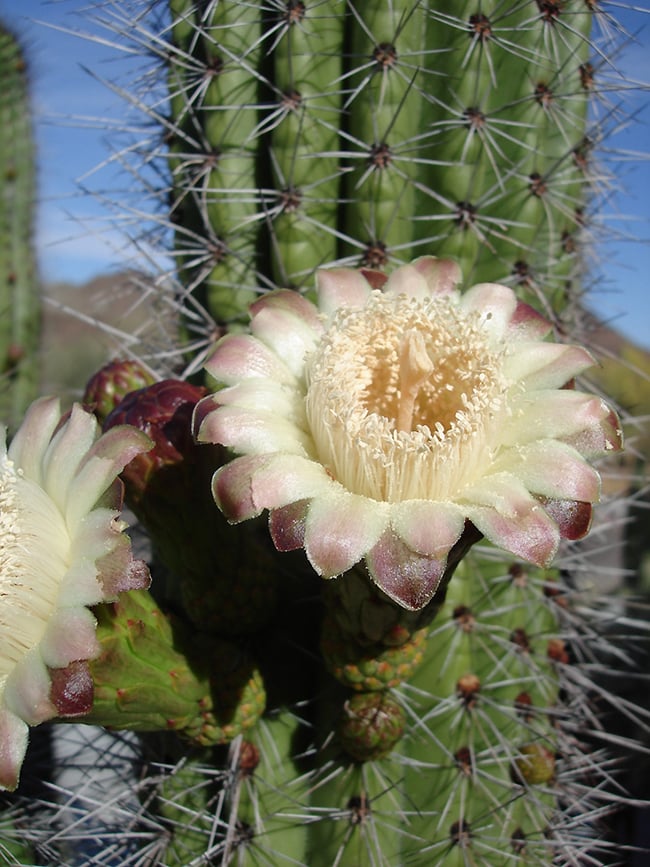
10. Visit Organ Pipe Cactus National Monument in Arizona and in addition to this national monument's namesake cactus, you will see at least one, if not more, of the total ___ species of cacti living within that portion of the Sonoran Desert.
a) 17
b) 22
c) 31
d) 43
Trivia
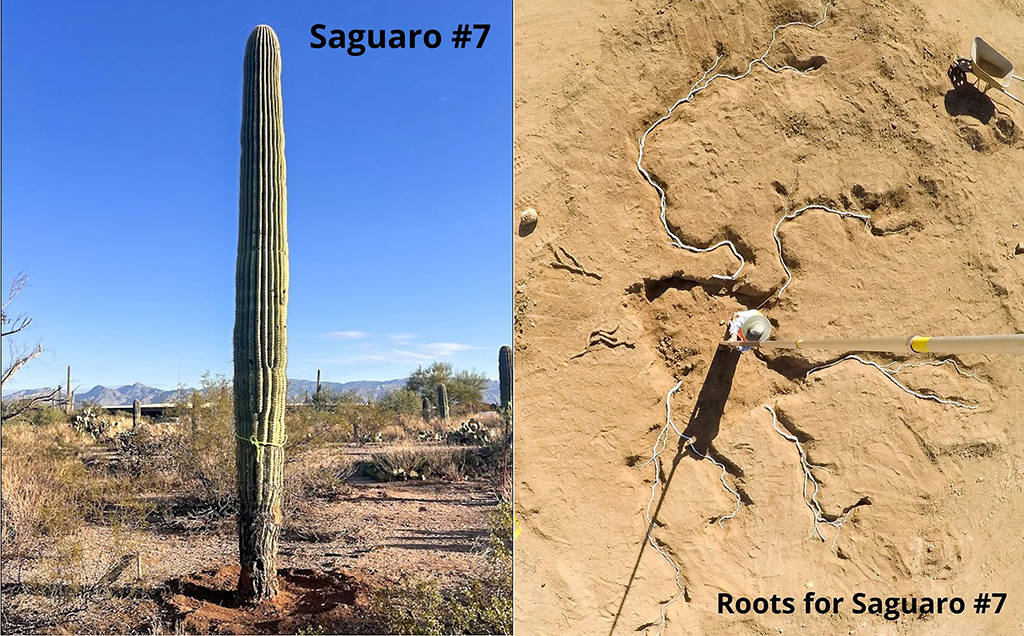
While hiking through Saguaro National Park in Arizona, have you ever wondered about saguaro cactus roots? Much like the giant sequoia trees, saguaro roots are shallow – about 4-6 inches (10-15 centimeters) below the surface of the earth. They spread out in a meandering pattern to a length as far as a saguaro is tall and sometimes even twice that distance. Saguaro roots appear to go toward and under other trees and shrubs, dividing as they grow outward to create a network of increasingly smaller roots that aid the saguaro in taking in as much water as possible during and after a rainstorm.
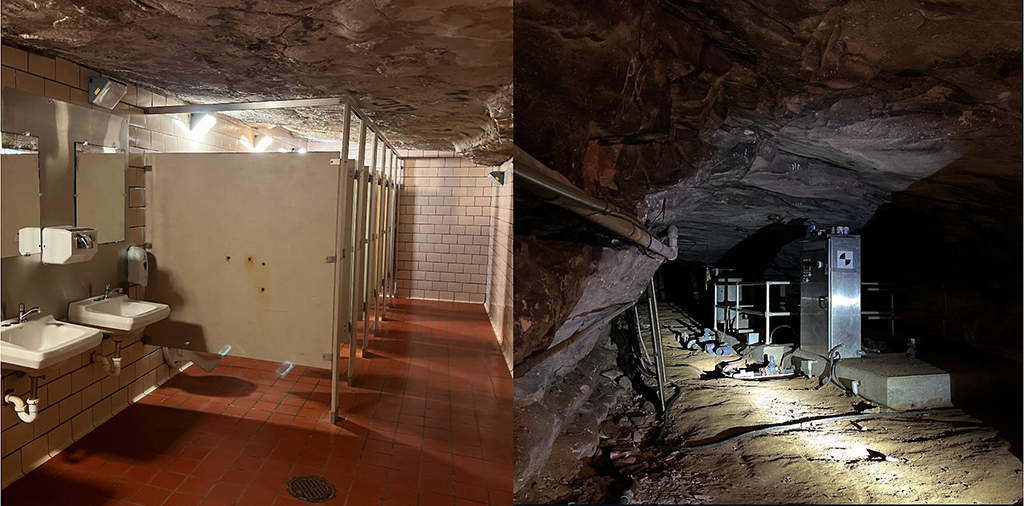
If you’ve ever visited one of the three underground restrooms of Mammoth Cave National Park in Kentucky, have you wondered how any of these restrooms work hundreds of feet beneath the surface?
According to Park Staff:
Each restroom has a 700-gallon holding tank. Once it reaches 350 gallons, a 20-horsepower pump kicks in, pushing wastewater up a 4-inch pipe with serious force – over 100 psi for the deepest restroom, 260 feet down near the Snowball Room. During peak season, these tanks can be pumped twice a day.
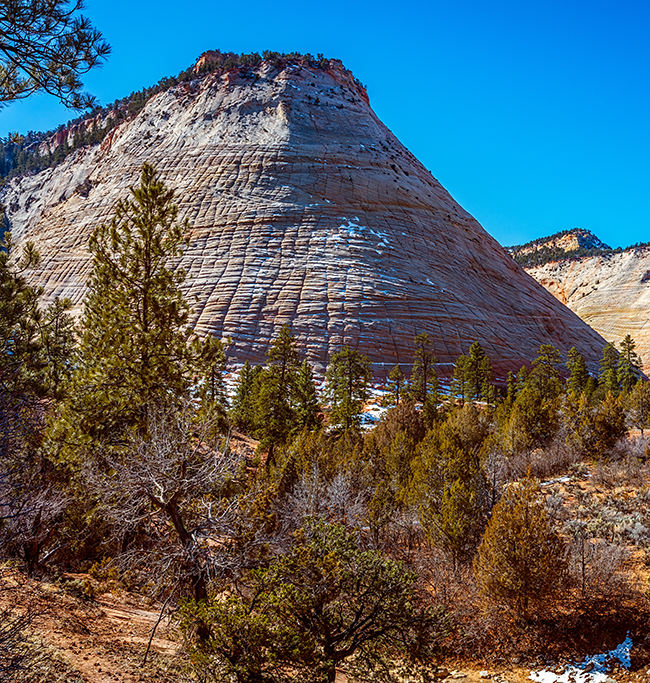

Travel to Southwest Utah and you’ll see landscapes of plateaus, mesas, and buttes. So, what’s the difference between these structures? Plateaus are massive, flat regions spanning thousands of miles with a steep side on at least one end. An example would be the Colorado Plateau, within which both Canyonlands and Zion national parks are located. Mesas are eroded parts of a plateau, isolated with steep sides and a flat top that’s wider than it is tall. Checkerboard Mesa in Zion National Park is a good example. Buttes are mesas that have been worn down even more until they are taller than they are wide, and you’ll see fantastic examples of buttes within and around Canyonlands National Park.
Quiz Answers
1b
Scrubbing refers to chemical reactions between volcanic gases and water (or rock) that remove certain gases before they can reach the surface. When SO2 gas encounters liquid water in Yellowstone's hydrothermal system, it rapidly dissolves and undergoes a chemical transformation called disproportionation. Through a series of reactions, the SO2 is converted into H2S, dissolved sulfate ions, and sometimes elemental sulfur, which makes up the yellow deposits you see around many of Yellowstone's thermal features. You can read more about the missing SO2 by clicking here.
2b
According to Michigan Technological University’s website, butt swell is an expansion of the lower end of the tree trunk above and beyond the usual stump flare found in all species. Butt swell is a natural development, apparently activated by wetness of site, but it is in no way related to injuries. According to the NPS, with a giant sequoia, this flaring will occur in response to maintaining balance in an area that is or is becoming extremely wet. Because sequoias do not have a deep root system, they can fall over when the ground becomes too water-saturated. Flaring (butt swell) at the base helps sequoias maintain their balance. Trees with butt swell are sometimes called churn- or bottle-butted.
3a
According to Park Staff:
When soil moisture is high and the plant’s uptake of water exceeds its rate of transpiration due to its stomata (breathing pores) being closed at night, root pressure forces the excess [moisture] out through specialized structures called hydathodes. This guttation process is less fully understood as it applies to fungi, but some [scientists] theorize this is the mushroom’s/fungi’s way of protecting itself against rot, expelling excess moisture from its internal tissues.
4d
Of the 16 varieties of granite found within Yosemite National Park, the four key granite types are El Capitan Granite, Half Dome Granodiorite, Bridalveil Granite, and Cathedral Peak Granite. Click here to read more about granite in Yosemite.
5a
Leaf senescence is the process of cell death in certain species' leaves, moving most of the nutrients within the leaves back into the body of the plant in preparation for winter dormancy. This tissue breakdown removes the chlorophyll and allows visible reddening and yellowing of the leaves as they decay.
6a
According to Park Staff:
Nearly 10,000 feet of sedimentary strata were deposited in the Capitol Reef area. These rocks range in age from Permian (as old as 270 million years old) to Cretaceous (as young as 80 million years old). Because the Waterpocket Fold has tilted this geologic layer cake down to the east, the older rocks are found in the western part of the park, and the younger rocks are found near the east boundary.
7c
A daymark is a paint color, pattern, or physical design (like stripes, bands, or solid color) that helps sailors identify it during the daytime when the light isn't needed. On a side note, a nightmark is the series of flashes, colors, or steady glow to help sailors identify the lighthouse and the area in the darkness. You can read about lighthouses within the National Park System by heading to this page.
8b False
On average, California condors weigh around 20 pounds, which is still pretty lightweight considering their size and their 9.5-foot wingspan. You can read more about these amazing birds and one of the national parks in which you might spot them by heading to this page.
9b
According to a Feature Story by Traveler Canadian correspondent Jennifer Bain:
[Acequias] Ah-se-kyahs — a Spanish word derived from Arabic that means irrigation ditch. Acequias are community-operated ditches brought to Spain by the Moors, and then brought to the Americas by the Spanish.
Acequias were the lifeblood of the missions, the umbilical cord if you will that connected the landscape with the people and growing communities in the 1700s. Today these same acequias still deliver water rights and help people grow food.
You can read more about this national historical park and these irrigation ditches by heading to this page.
10c
There are 31 cactus species living within Organ Pipe Cactus National Monument. You can read about a visit the Traveler’s Canadian correspondent Jennifer Bain and her son made to this national monument by heading to this page.
Stories about:
Story Categories:
A copy of National Parks Traveler's financial statements may be obtained by sending a stamped, self-addressed envelope to: National Parks Traveler, P.O. Box 980452, Park City, Utah 84098. National Parks Traveler was formed in the state of Utah for the purpose of informing and educating about national parks and protected areas.
Residents of the following states may obtain a copy of our financial and additional information as stated below:
- Florida: A COPY OF THE OFFICIAL REGISTRATION AND FINANCIAL INFORMATION FOR NATIONAL PARKS TRAVELER, (REGISTRATION NO. CH 51659), MAY BE OBTAINED FROM THE DIVISION OF CONSUMER SERVICES BY CALLING 800-435-7352 OR VISITING THEIR WEBSITE. REGISTRATION DOES NOT IMPLY ENDORSEMENT, APPROVAL, OR RECOMMENDATION BY THE STATE.
- Georgia: A full and fair description of the programs and financial statement summary of National Parks Traveler is available upon request at the office and phone number indicated above.
- Maryland: Documents and information submitted under the Maryland Solicitations Act are also available, for the cost of postage and copies, from the Secretary of State, State House, Annapolis, MD 21401 (410-974-5534).
- North Carolina: Financial information about this organization and a copy of its license are available from the State Solicitation Licensing Branch at 888-830-4989 or 919-807-2214. The license is not an endorsement by the State.
- Pennsylvania: The official registration and financial information of National Parks Traveler may be obtained from the Pennsylvania Department of State by calling 800-732-0999. Registration does not imply endorsement.
- Virginia: Financial statements are available from the Virginia Department of Agriculture and Consumer Services, 102 Governor Street, Richmond, Virginia 23219.
- Washington: National Parks Traveler is registered with Washington State’s Charities Program as required by law and additional information is available by calling 800-332-4483 or visiting www.sos.wa.gov/charities, or on file at Charities Division, Office of the Secretary of State, State of Washington, Olympia, WA 98504.


National parks and their natural resources belong to you. The National Parks Traveler works to ensure you know how these essential places are being cared for.
Sign Up For Our Weekly Newsletter
Unsubscribe at any time.
INN Member

The easiest way to explore RV-friendly National Park campgrounds.

Here’s the definitive guide to National Park System campgrounds where RVers can park their rigs.
Our app is packed with RVing- specific details on more than 250 campgrounds in more than 70 national parks.
You’ll also find stories about RVing in the parks, tips helpful if you’ve just recently become an RVer, and useful planning suggestions.

