
There are so many things making up the story of a unit within the National Park System, including plants, animals, and historic buildings. This month’s edition focuses on some of the vegetation you might see during a national park visit. How many of you have a “green thumb?” How many of you are botanists or are interested in botany? How many of you just like pretty wildflowers and interesting plant life? Test your knowledge with this quiz to see how much you know about the flowers, trees, and other vegetation within a park. You might know more than you realize!
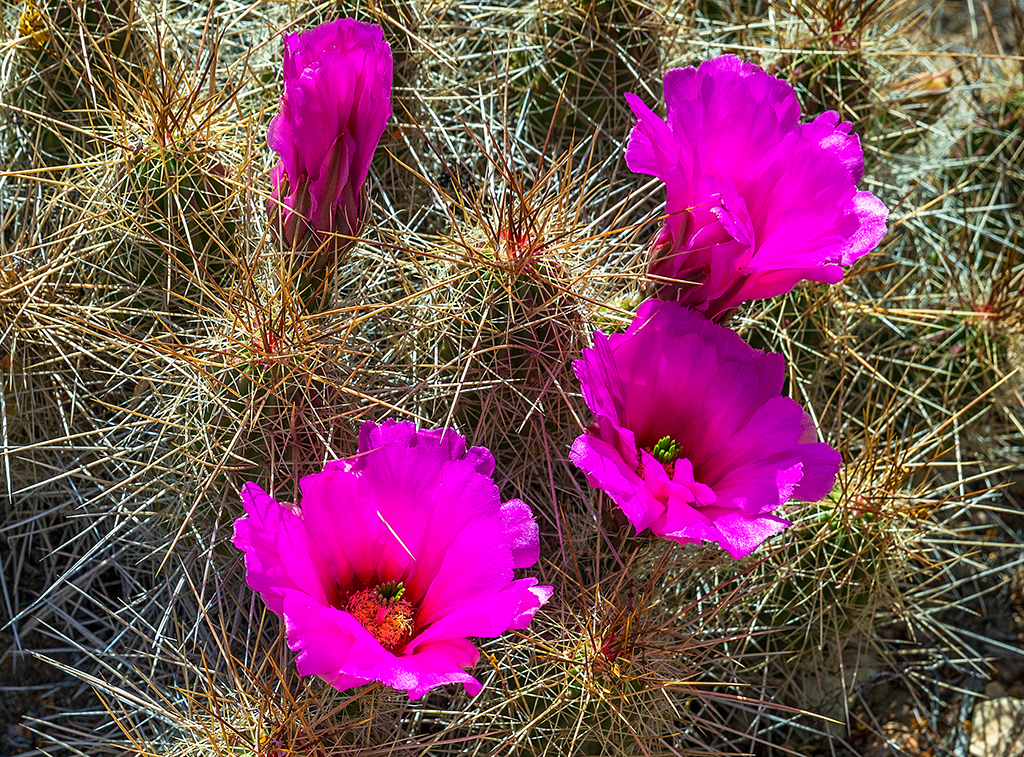
1. Visit Big Bend National Park in Texas during the springtime, and if there was enough rain the previous year, you’ll see a plethora of cactus blooms. One of the cacti that might be blooming is the Strawberry pitaya cactus. True or false, the fruit produced by this cactus is strawberry-shaped (hence the name) but unlike a strawberry, it’s poisonous.
a) True
b) False
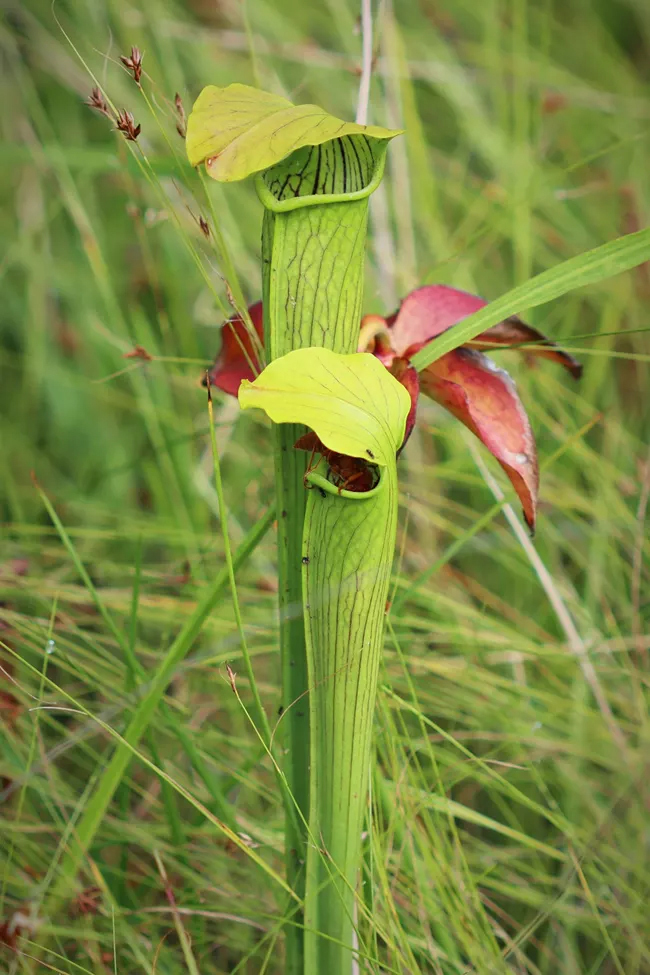
2. Four of the five types of carnivorous plants found in North America can be found at Big Thicket National Preserve in Texas: pitcher plants, sundews, bladderworts, and ___.
a) Butterworts
b) Venus flytraps
c) Cephalotus
d) Dewy pine
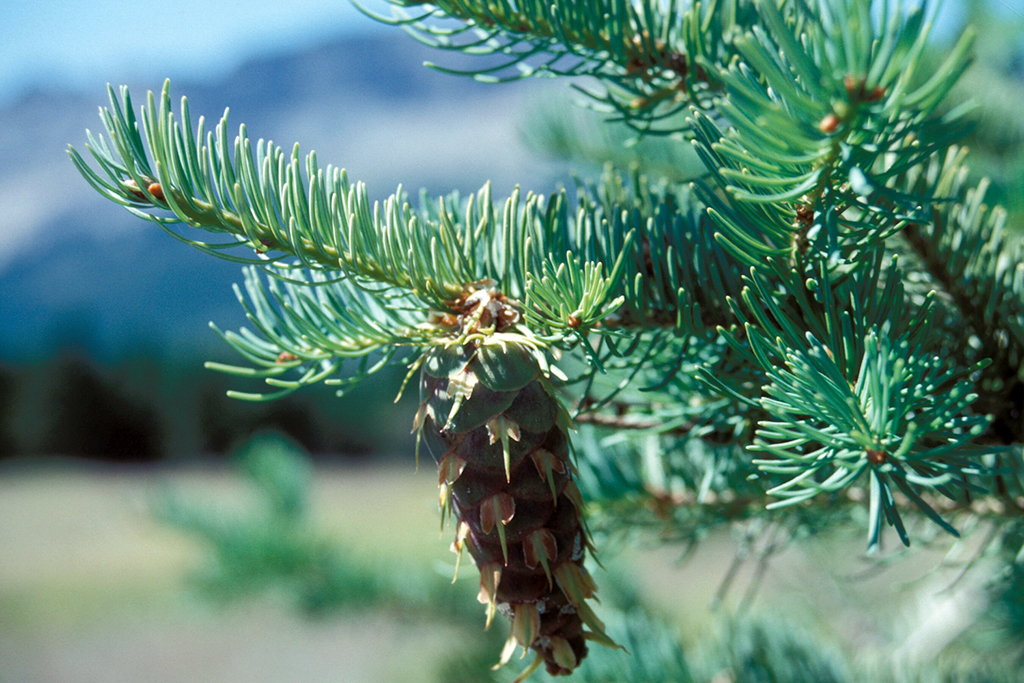
3. Hike a forest trail at Mount Rainier National Park in Washington State and you will be surrounded by Douglas fir. True or False: Douglas fir is not a true fir.
a) True
b) False
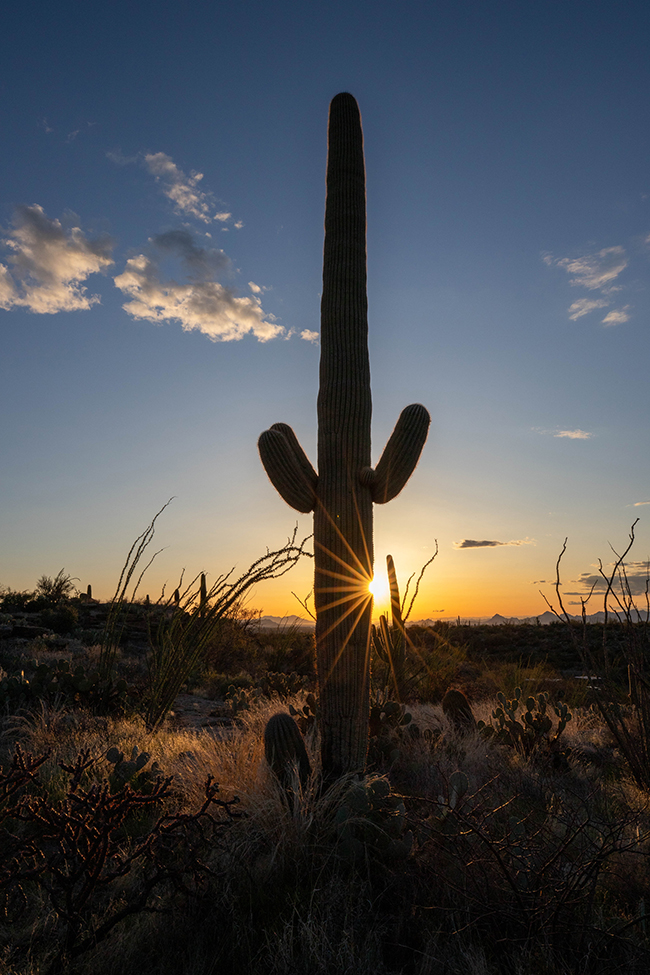
4. Visit Saguaro (suh-waa-row) National Park in Arizona and you will be surrounded by these iconic cacti, which are very slow growing and can live up to ___ years.
a) 175
b) 250
c) 275
d) 300
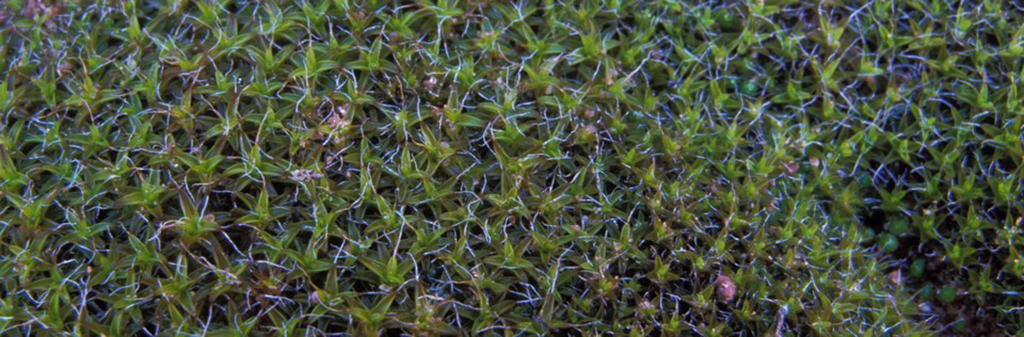
5. Mosses are some of the many organisms found at Arches National Park in Utah that most people do not associate with deserts. Mosses can tolerate long periods of complete dehydration and occupy a variety of habitats in the park, including exposed rocks, biological soil crusts, riparian areas and sometimes trees. While there is no complete inventory, at least ___ moss species are known to colonize biological soil crusts.
a) 10
b) 20
c) 30
d) 40
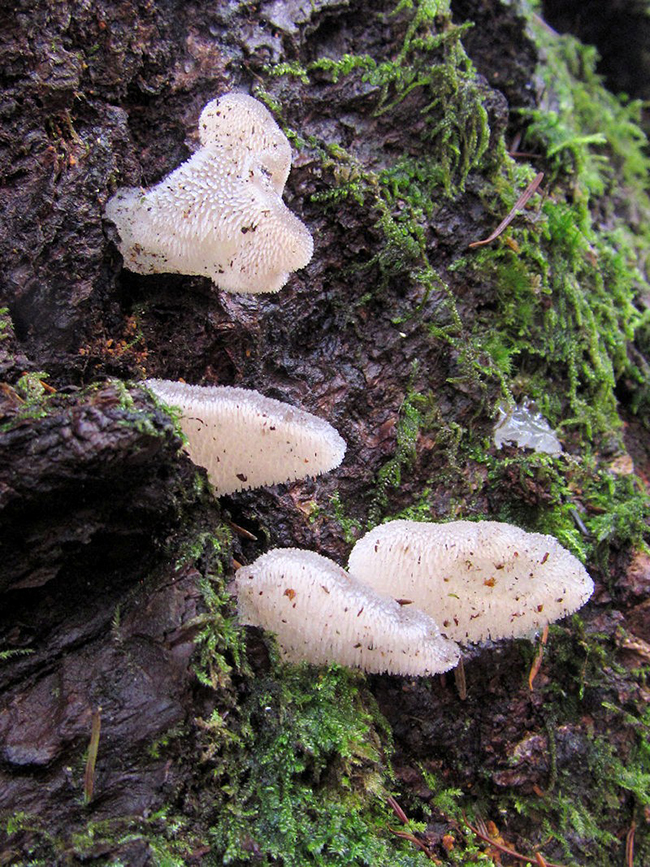
6. Let’s return to Mount Rainier National Park. If you happen to be hiking around during the late autumn or winter, look down and around at any rotting or decaying wood. It’s possible you might spot some gumdrop-translucent white or tan tongue-shaped fungus on that wood. This is Pseudohydnum gelatinosum, also known as ___ fungus:
a) Jelly-tooth
b) Cat’s tongue
c) False hedgehog
d) Toothed-jelly
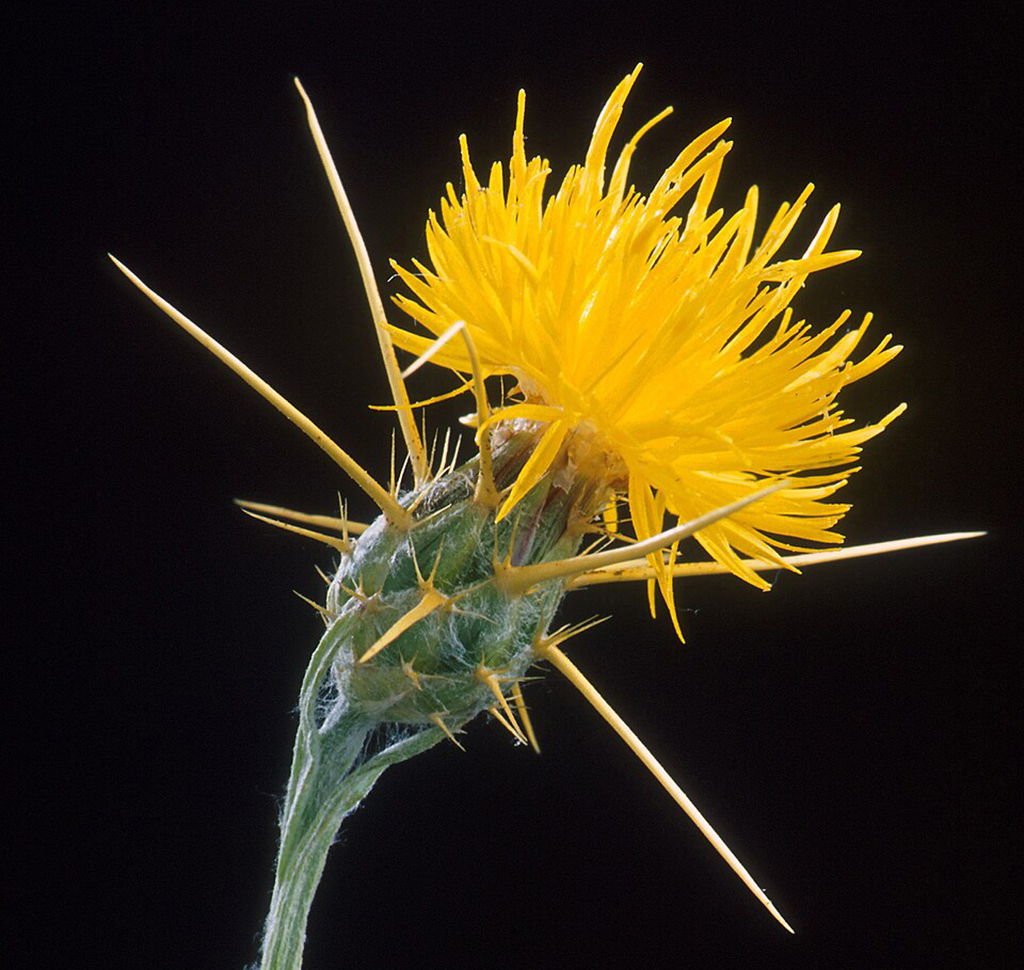
7. Invasive species can negatively affect ecosystems, edging out the native species that live within an area. Some invasive plants are quite lovely, yet they are also quite destructive, like the yellow star-thistle (Centaura solstitialis) at Yosemite National Park in California. A single plant of yellow star-thistle can disperse up to ___ seeds in a single season.
a) 150,000
b) 200,000
c) 250,000
d) 300,000

8. How many of you have visited Congaree National Park in South Carolina? Have you gazed in awe at some of the really big trees there like the loblolly pine, swamp tupelo, and bald cypress? This national park is renowned for its giant trees, also known as ___.
a) Ancient giants
b) Colossus champions
c) Tall trees
d) Champion trees
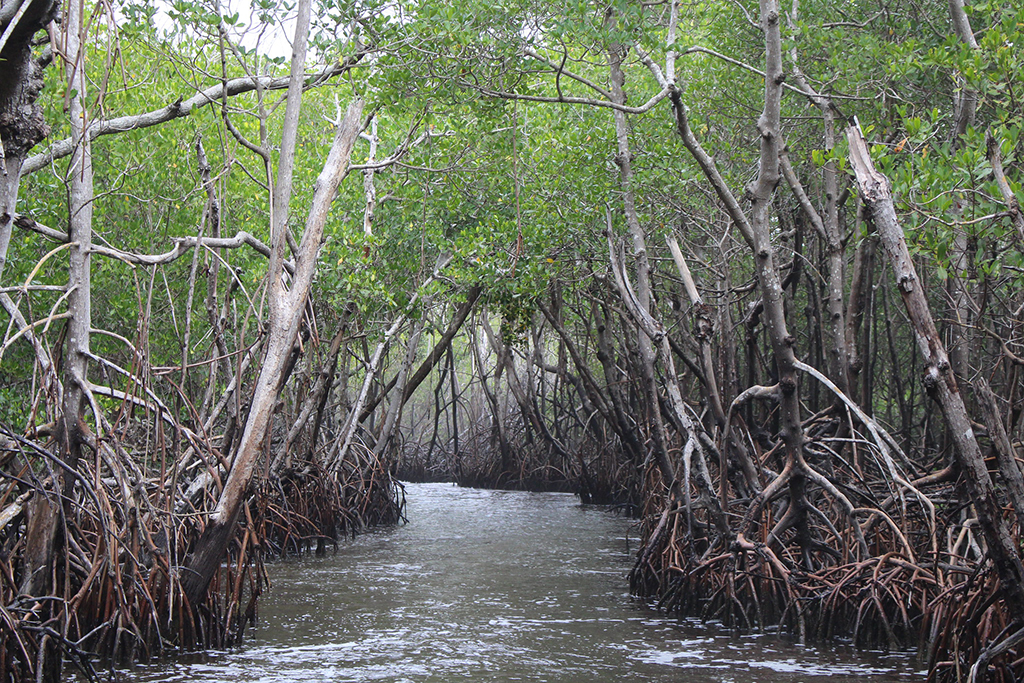
9. Visit Everglades National Park in southern Florida and you will encounter a forest of trees with long, tangled roots living in the park’s saltwater environments. These are mangrove trees. There are about 80 species of mangroves in the world, ___ of which live(s) within Everglades.
a) One
b) Two
c) Three
d) Four
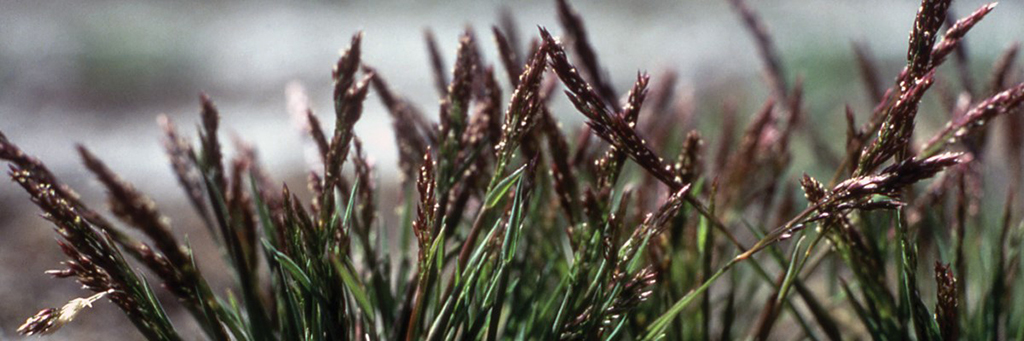
10. Yellowstone National Park (WY, MT, ID) is home to three endemic species of plants, one of which is Ross’s bentgrass (Agrostis rossiae). This unique grass is highly restricted in range. It grows in “vapor dominated” sites in the thermal areas, such as crack systems, the walls of thermal springs, or geothermally-induced depressions and only in the geyser basins in the Firehole River drainage and at ___.
a) Monument Geyser Basin
b) West Thumb Geyser Basin
c) Norris Geyser Basin
d) Shoshone Geyser Basin
Trivia
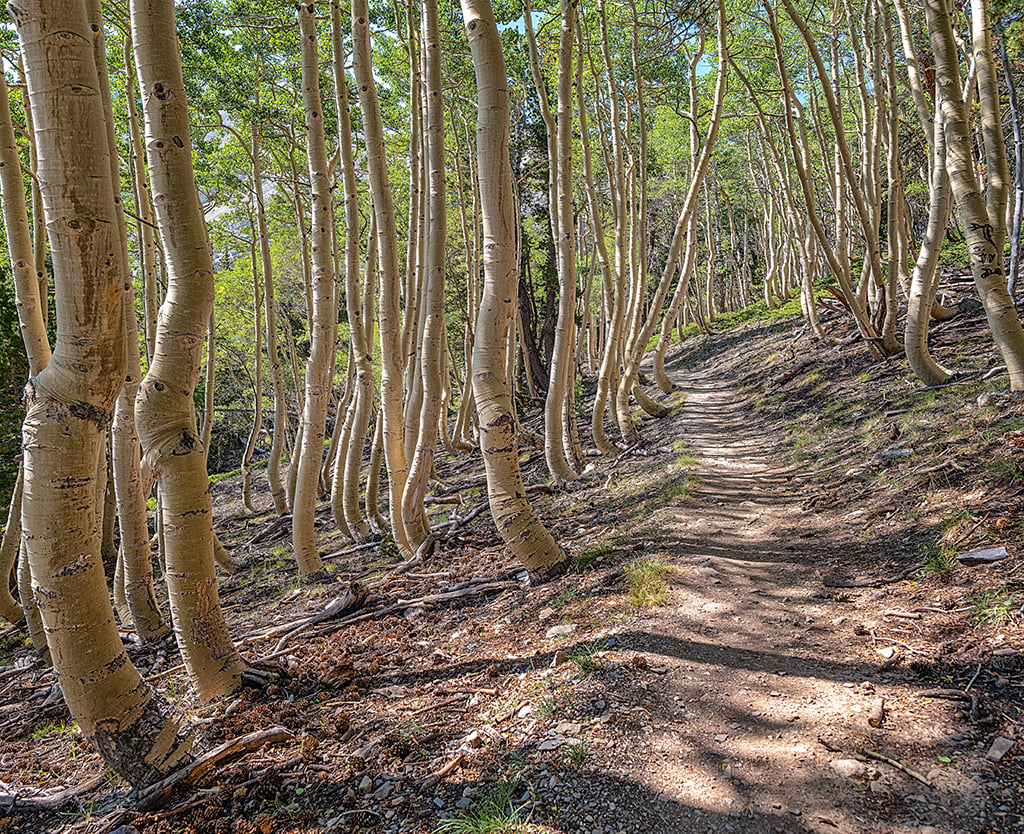
Hike the trail to Stella Lake or on up the summit of Wheeler Peak of Great Basin National Park in Nevada and you will be hiking through a grove of quaking aspen. Populus tremuloides usually grows between 6,000 and 8,000 feet but can grow up to 11,000 feet. Aspens are usually found in damp places along watercourses. Trunks are straight and topped with small high open crowns. The bark is smooth and light on young trees becoming darker with furrows on older trees. The bark does not peel. Leaves are nearly round, about 2 inches in diameter, and fringed with marginal teeth. Leaf blades are attached to twigs by long slender leaf stalks, which act as pivots so that the leaves quake in the breeze. Flowers appear before the leaves and produce cottony seeds. Aspens rarely reproduce by seeds in this region. Most new trees are clones of the parents, produced by root sprouts. Aspens grow in groves, which turn the hillsides golden in the fall. They are usually short lived, 100-200 years, due to heart rot fungus.
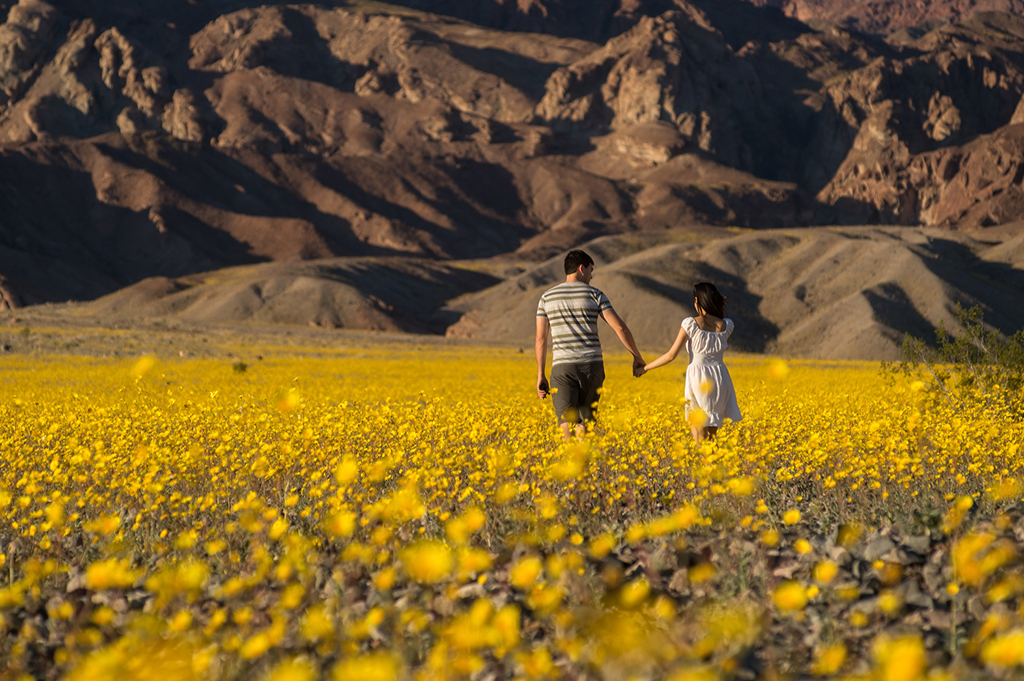
Death Valley National Park in California is famous for its spectacular, spring wildflower displays, but those are the exception, not the rule. Only under perfect conditions does the desert fill with a sea of gold, purple, pink or white flowers. These tend to average once a decade, with the most recent superbloom years being 2016, 2005, and 1998. Although there are years where blossoms are few, they are never totally absent. 2025 - There are not very many wildflowers in the park; due to extreme heat last summer/fall and very little rain this winter/spring, we are experiencing a below-average bloom.
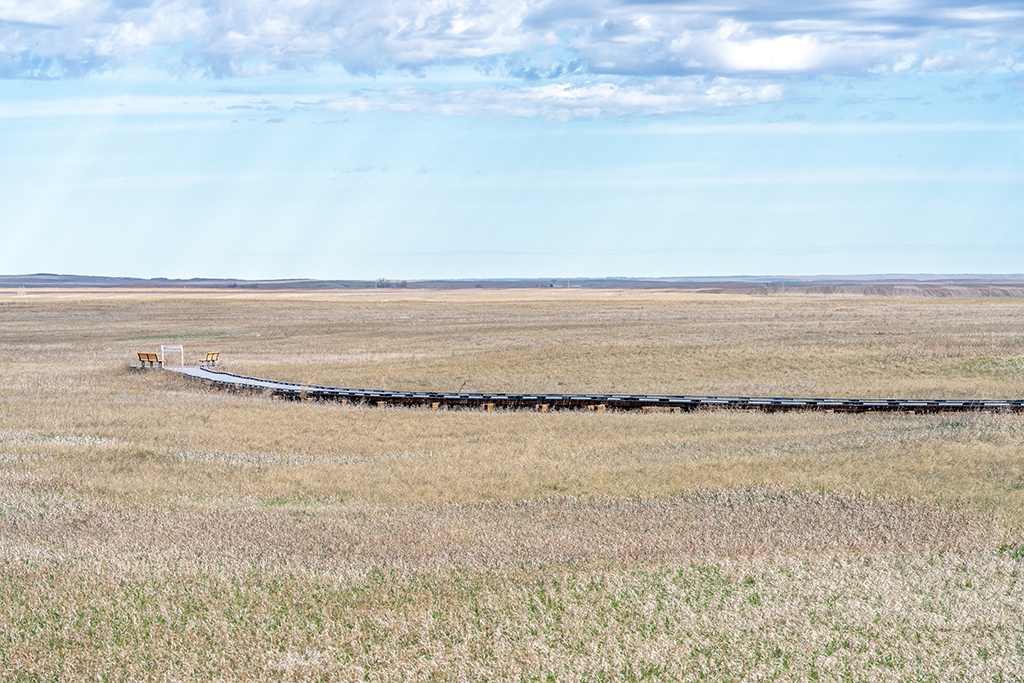
How many of you have visited Badlands National Park in South Dakota and rested on one of the benches at Prairie Wind Overlook in the park’s North Unit? That broad, flat expanse of grasses blowing in the perpetual wind there are part of the park’s mixed-grass prairie. Mixed-grass prairies are the transition between eastern tall-grass prairies, where more rainfall means that taller grasses can grow, and western short-grass prairies, where the dry environment favors shorter grasses. In mixed-grass prairies, such as the grasslands surrounding Badlands National Park, grasses can range in height from ankle-high to waist-high.
Because they are in this transition zone, mixed-grass prairies have a greater number of plant species than any other type of prairie. There are over 400 plant species in Badlands National Park. Although trees, shrubs, and forbs grow in the Badlands, grasses dominate the landscape. The most common grass in the park is Western wheatgrass, which grows one to three feet tall and is the state grass of South Dakota!
Quiz Answers
1b False
The fruit produced by the strawberry pitaya cactus is not strawberry-shaped and is edible, possessing a flavor somewhere between that of a kiwi and a strawberry.
2a
Four of the five types of carnivorous plants found in North America can be found at Big Thicket National Preserve in Texas: pitcher plants, sundews, bladderworts, and butterworts. The most well-known carnivorous plant, the Venus flytrap, is not found here; in the wild, these plants are found only in North and South Carolina. Click here to read more about these plants at this national preserve.
3a True
Douglas fir, icon of Pacific Northwestern forests, is not a true fir; true firs such as grand and noble firs bear cones which stand erect from their branches. Douglas fir cones hang down from their point of attachment. The scales of Douglas fir cones are also "persistent," i.e., they do not fall apart after releasing their seeds and remain attached to the central core. Ironically, the scientific name of Douglas fir (Pseudotsuga) means "false hemlock," undoubtedly reflecting the similarity in the tree's needles, less spiky than those of true firs (genus Abies).
4a
Saguaro cactus can live up to 175 years. Actually, “b” might be a correct answer too, since one or two sites have reported these particular cacti as living as long as 250 years. To read more about these amazing cacti, click here.
5b
At least 20 moss species are known to colonize biological soil crusts, with Syntrichia caninervis being the most common. Like all photosynthetic organisms, mosses are primary producers that build biomass through photosynthesis. They enrich ecosystems with organic matter, forming the basis of the food chain. As a component of biological soil crusts, mosses trap airborne soil particles, reduce erosion, retain water and may enhance water infiltration.
6 All of the above
If you chose any or all those names, you would be correct. Pseudohydnum gelatinosum is also called jelly-tooth, toothed-jelly, cat’s tongue, or false hedgehog fungus. It measures 2–5 centimeters (3⁄4–2 inches) and is seldom found in quantity. DYK you can eat this? It can be eaten raw, although some might find it bland. It can be candied or marinated and some people even make “gummi tongues” by soaking them in simple syrup, rolling them in sugar, then dehydrating them.
7 a
A single plant of yellow star-thistle can disperse up to 150,000 seeds in a single season. These lightweight seeds carried on the wind get stuck to clothing, shoes, vehicle tires, and animal fur like horses and dogs, then dropped on the sides of roads or in the park, taking root easily and refusing to leave once grown. To learn more about invasive plant species at Yosemite National Park, click here.
8d
Champion trees or simply "big trees" are important for many reasons (other than being the biggest). Bigger trees often have more leaves that photosynthesize and cycle out more carbon dioxide from the atmosphere. An ecosystem with an exceptionally big tree specimen indicates that environmental conditions are exceptionally suitable for that species.
9c
Everglades National Park is home to three species of mangrove trees: Red mangroves (Rhizophora mangle), identified by their stilt-like roots, black (Avicennia germinans) and white mangroves (Laguncularia racemosa). According to the American Museum of Natural History, these “shrub and tree species live along shores, rivers, and estuaries in the tropics and subtropics. Most live on muddy soil, but some also grow on sand, peat, and coral rock. They live in water up to 100 times saltier than most other plants can tolerate … Many mangrove species survive by filtering out as much as 90 percent of the salt found in seawater as it enters their roots. Some species excrete salt through glands in their leaves. These leaves, which are covered with dried salt crystals, taste salty if you lick them. A third strategy used by some mangrove species is to concentrate salt in older leaves or bark. When the leaves drop or the bark sheds, the stored salt goes with them.” To learn more about these unique trees, click here.
10d
Ross’s bentgrass grows only in the geyser basins in the Firehole River drainage and at Shoshone Geyser Basin. Even within the thermal areas of Yellowstone’s geyser basins, the right conditions to support Ross’s bentgrass are rare and highly scattered. Thermal habitats are distinguished primarily by their elevated soil temperatures, and heat stress is the primary factor controlling the distribution of plants within them. This species seems to require locations providing the right combination of moisture and warmth that create a natural greenhouse. As a result, this grass is one of the first plants to green up in warm pockets of geyserite—sometimes as early as January. You can read more about Ross’s bentgrass by clicking here.
Stories about:
Story Categories:
A copy of National Parks Traveler's financial statements may be obtained by sending a stamped, self-addressed envelope to: National Parks Traveler, P.O. Box 980452, Park City, Utah 84098. National Parks Traveler was formed in the state of Utah for the purpose of informing and educating about national parks and protected areas.
Residents of the following states may obtain a copy of our financial and additional information as stated below:
- Florida: A COPY OF THE OFFICIAL REGISTRATION AND FINANCIAL INFORMATION FOR NATIONAL PARKS TRAVELER, (REGISTRATION NO. CH 51659), MAY BE OBTAINED FROM THE DIVISION OF CONSUMER SERVICES BY CALLING 800-435-7352 OR VISITING THEIR WEBSITE. REGISTRATION DOES NOT IMPLY ENDORSEMENT, APPROVAL, OR RECOMMENDATION BY THE STATE.
- Georgia: A full and fair description of the programs and financial statement summary of National Parks Traveler is available upon request at the office and phone number indicated above.
- Maryland: Documents and information submitted under the Maryland Solicitations Act are also available, for the cost of postage and copies, from the Secretary of State, State House, Annapolis, MD 21401 (410-974-5534).
- North Carolina: Financial information about this organization and a copy of its license are available from the State Solicitation Licensing Branch at 888-830-4989 or 919-807-2214. The license is not an endorsement by the State.
- Pennsylvania: The official registration and financial information of National Parks Traveler may be obtained from the Pennsylvania Department of State by calling 800-732-0999. Registration does not imply endorsement.
- Virginia: Financial statements are available from the Virginia Department of Agriculture and Consumer Services, 102 Governor Street, Richmond, Virginia 23219.
- Washington: National Parks Traveler is registered with Washington State’s Charities Program as required by law and additional information is available by calling 800-332-4483 or visiting www.sos.wa.gov/charities, or on file at Charities Division, Office of the Secretary of State, State of Washington, Olympia, WA 98504.


National parks and their natural resources belong to you. The National Parks Traveler works to ensure you know how these essential places are being cared for.
Sign Up For Our Weekly Newsletter
Unsubscribe at any time.
INN Member

The easiest way to explore RV-friendly National Park campgrounds.

Here’s the definitive guide to National Park System campgrounds where RVers can park their rigs.
Our app is packed with RVing- specific details on more than 250 campgrounds in more than 70 national parks.
You’ll also find stories about RVing in the parks, tips helpful if you’ve just recently become an RVer, and useful planning suggestions.

