
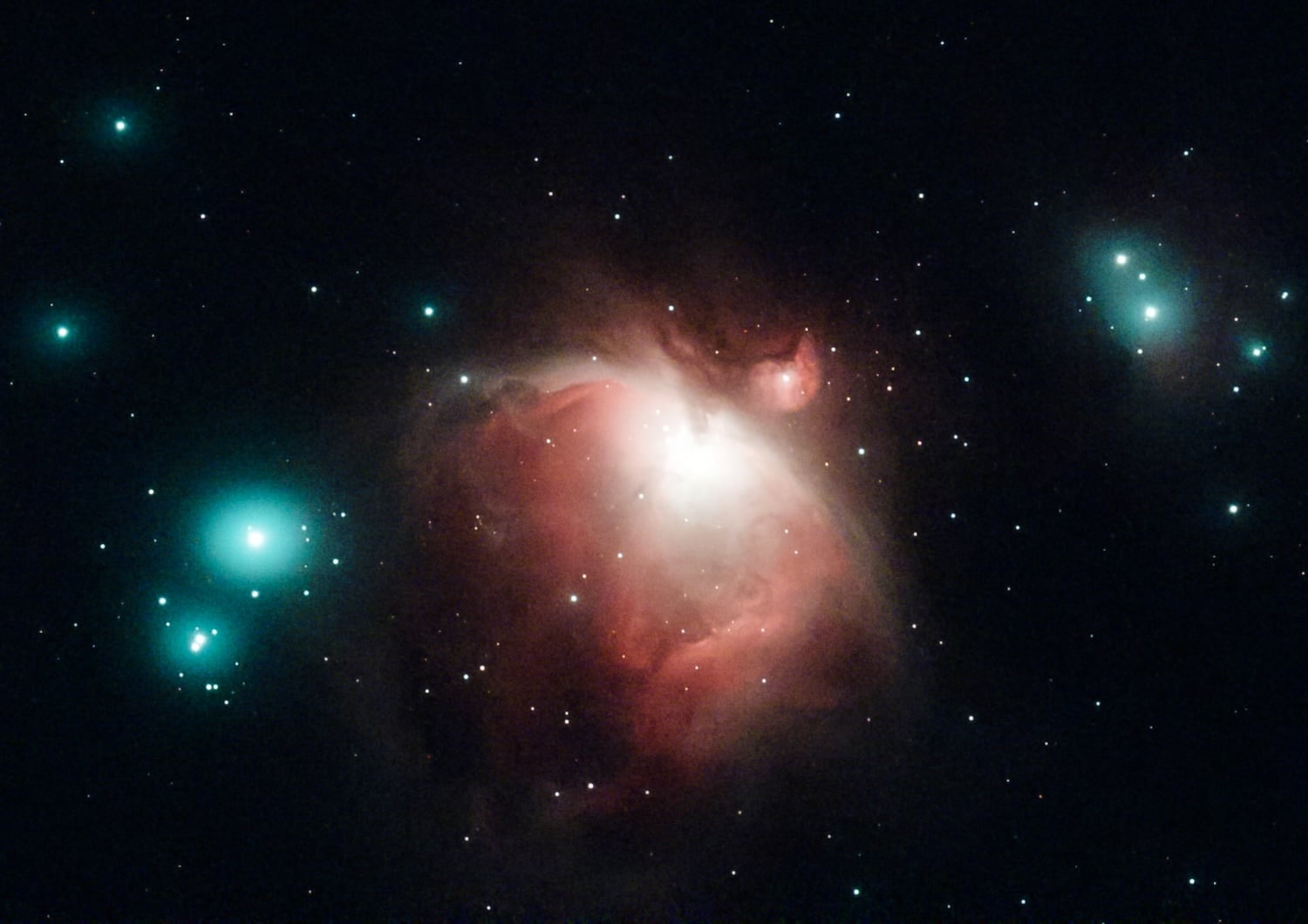
Stéphane Picard has pinpointed four kinds of astrotourists — socializers who dabble in stargazing, feelers who look beyond astronomy into the realm of astrology and ufology, explorers who buy good cameras and join astronomy clubs, and collectors who chase eclipses around the world.
“Without knowing your knowledge of the night sky,” he tells me, “I’d say you’re probably a socializer. So you’re part of the largest group. You admire tons of stars, however maybe picking out the Big Dipper you can do, but beyond that can you do more?”
Well, no — not unless you count finding the Little Dipper, which my parents taught me to do at the cottage. But I’ve chased the aurora borealis across Canada, geeked out at a dark sky festival in Alberta’s Jasper National Park, taken a guided night sky hike in Tucson’s Saguaro National Park, and tried to attend public dark sky parties and private night sky viewing events.
I say tried because I have rotten weather luck and have seen far more clouds than stars. So when the weather cooperates in New Brunswick’s Fundy National Park in February, I’m astonished. I get to toboggan, hike, snowshoe and skishoe (it's a cross-country ski/snowshoe hybrid) all day and then stargaze at night.
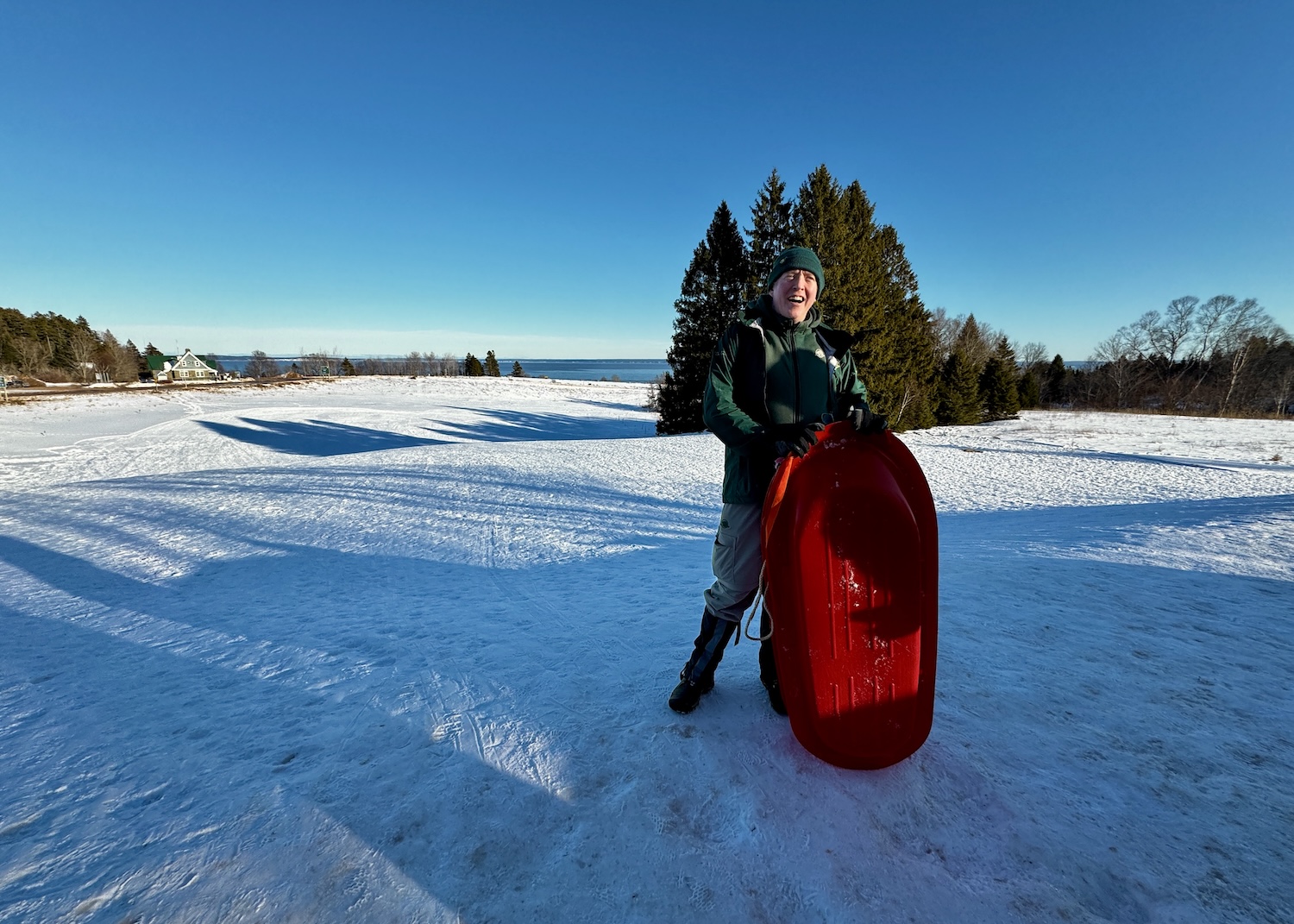
“The winter sky is always better than the summer sky,” Picard explains over dinner before we bundle up and head out. “The colder the air, the better the view.”
New Brunswick is proud of the fact that it’s 85 percent forested. With barely 868,000 people, it has a low population and low light pollution to go with its huge untouched wilderness. This makes the province — located in Atlantic Canada between Québec and Nova Scotia — an ideal setting for night sky viewing, and so it’s embracing astrotourism.
Picard, the owner/CEO of Cliff Valley Astronomy, is the local face of astrotourism. He’s part of ambitious plans to earn three Dark Sky Corridor designations plus others including Indigenous Dark Sky Community, Dark Sky Community, Dark Sky Site, Dark Sky Park, Dark Sky Sanctuary, Urban Night Sky Place and Urban Star Park.
I’m most interested in the proposed Bay of Fundy Dark Sky Corridor that would connect six sites along the Fundy Coast. This includes Fundy National Park, which is already a certified Dark Sky Preserve that protects the night-time environment from the effects of artificial lighting, educates visitors about the ecological and cultural importance of dark skies, and helps plants, animals and insects that rely on darkness to forage, breed and navigate.
If all goes as planned, this corridor should be two-thirds complete by the end of this year and ready to launch next year. It promises to be 220 kilometres (137 miles) long and have the highest concentration of Dark Sky Sites in the world.
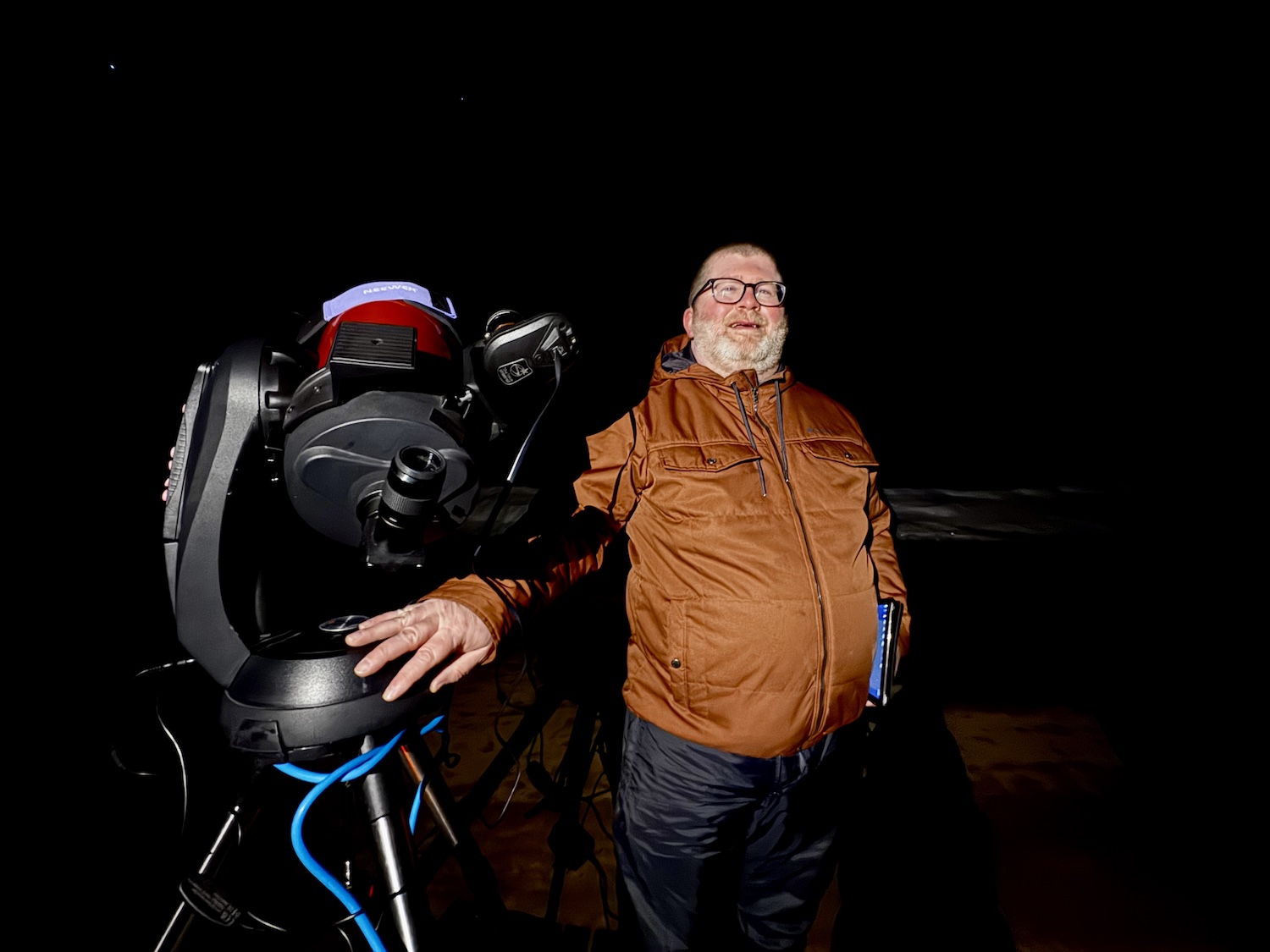
“You don’t have to invest in huge infrastructure,” Picard points out. “It’s already here. We have the night sky.”
He’s been staring skyward since he was a kid growing up in the northwestern part of the province near Québec and lying in the snow wondering what he was looking at. He stargazes everywhere, but loves how south-facing Fundy provides views of the busiest part of the night sky, and how the Bay of Fundy acts as a natural barrier against light pollution.
“Also the quietness,” Picard adds.
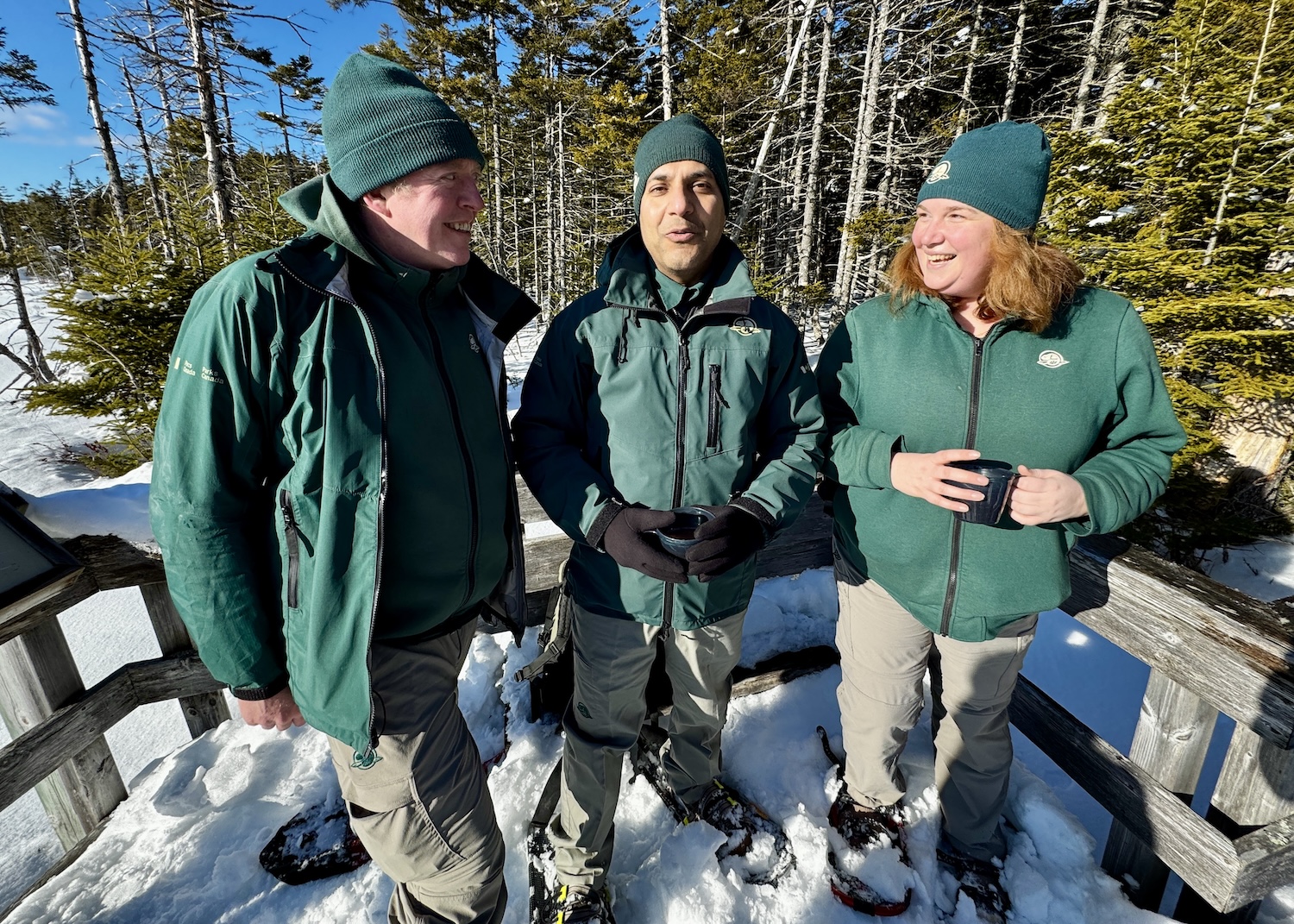
My outdoor day is quiet but busy and ends in the headquarters visitor center gift shop run by the Friends of Fundy. Dinner at the Tipsy Tails in Alma — a lobster and scallop fishing village on the park's southeastern edge — is followed by a quick drive to a deserted parking lot to set up two telescopes and put on red light headlamps that preserve night vision.
Daniel Sinclair, Fundy’s interpretation supervisor and owner of one of the telescopes, says people can get emotional when looking at the stars. “It’s seeing galaxies, it’s seeing millions of light years away. And yeah, it’s humbling,” he says.
“Under the stars, we’re all the same,” stresses Picard. “You find out there’s more that brings us together than separates us — so everybody should be more under the stars these days.”
Summer stargazing may be warmer but there's a strong chance of mosquitos and things don't get going until around 11 p.m. when it finally gets dark. Winter stargazing involves layers and pacing to stay warm, but there are no bugs and it’s dark by 7 p.m. so you don’t have to stay up late to enjoy the dark skies.
“So I’m giving everybody a quick look at Jupiter,” says Picard to kick off our night. “Be careful with the tripod. Come on over and look right in there. Hold yourself steady with the step ladder and look down here without touching the eyepiece.”
He tells me to look for two little gas stripes on Jupiter — a turbulent gas planet — but my progressive lenses don’t allow for that level of nuance. We move on to Cassiopeia, a constellation known for its W shape, and a fuzzy patch called Andromeda that you can also see with the naked eye. We admire Orion and its belt, and learn how to find the North Star (Polaris) by finding the Big Dipper.
“For your own survival, if you’re ever lost in the woods, find the Big Dipper, do the line, find Polaris," says Picard. "That’s your true north."
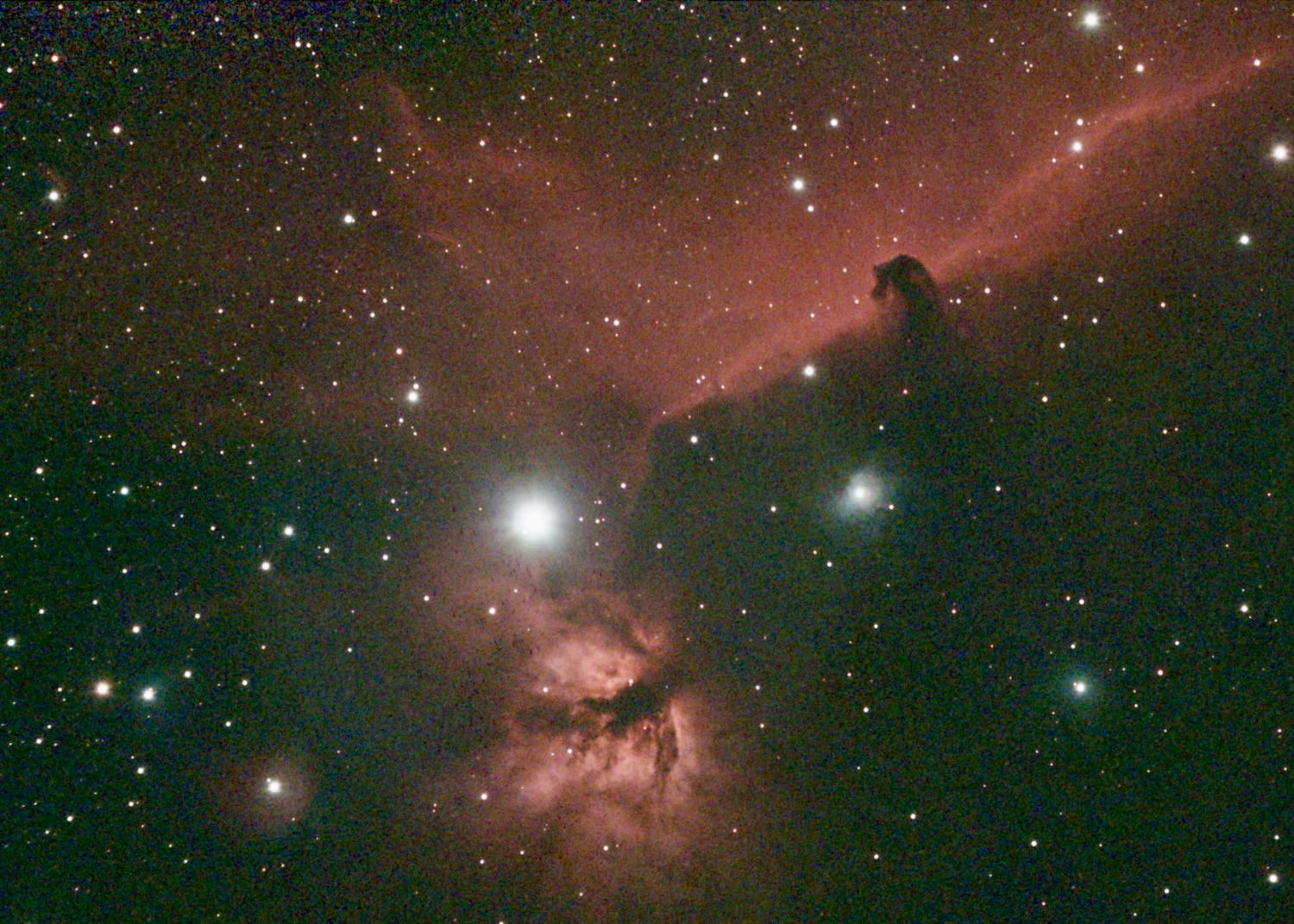
Mostly we gush over shooting stars and things I don’t pretend to understand, like a Horsehead Nebulae. Picard says that 99 percent of the population has “lost their intimacy with the night sky,” and when I ruminate about this sad statistic, I promise to spend more time looking upward.
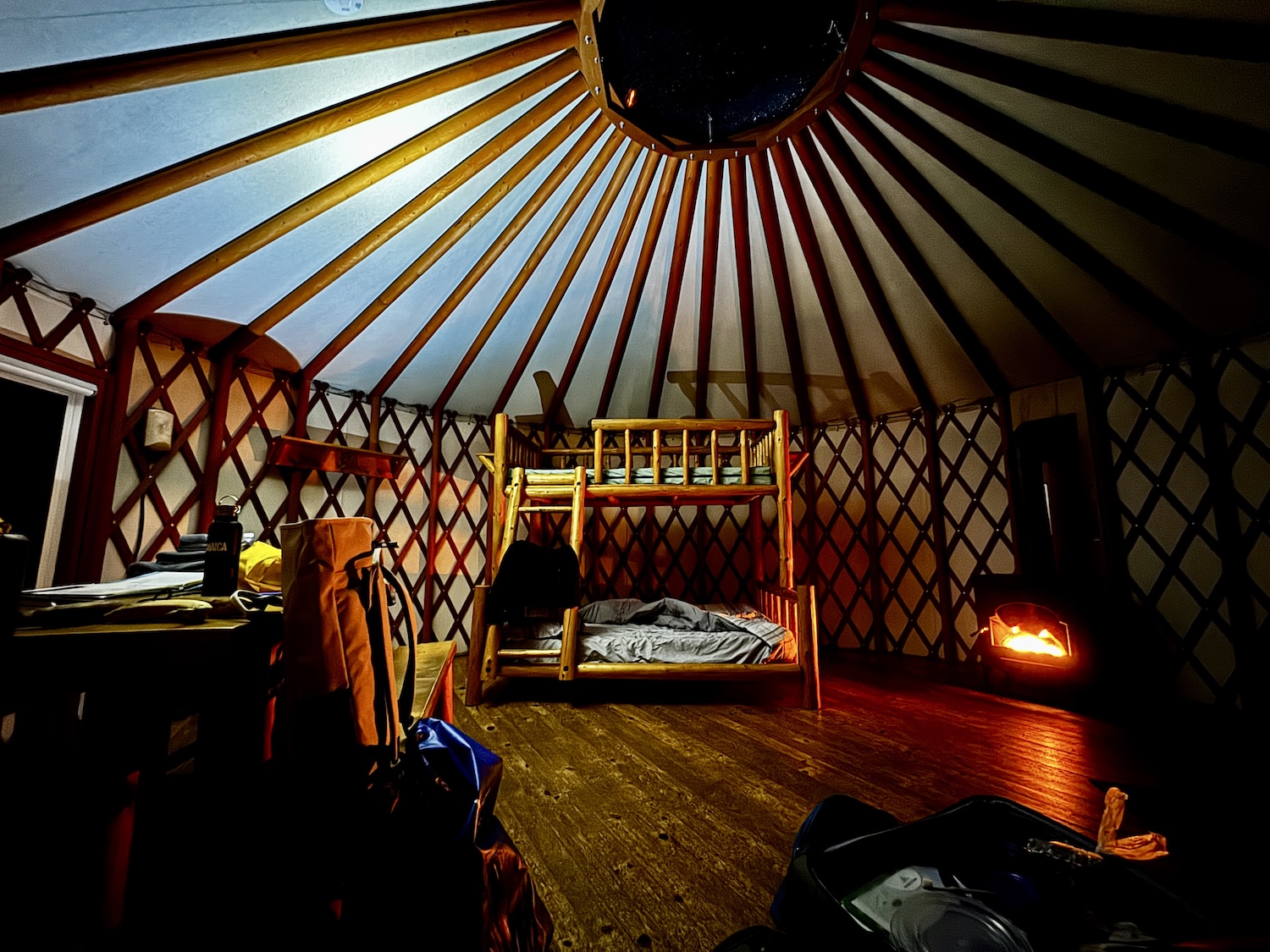
That night, in Fundy’s modernized version of a traditional yurt, I go to sleep staring up through a skylight in the domed roof at all the stars dancing overhead. The next morning, I awake in time for snow flurries followed by a gorgeous sunrise.
Staring out over the Bay of Fundy, I can't help but study the sky instead of the sea, wondering if the clouds will disappear and let the stars come out again tonight.

Stories about:
Story Categories:
A copy of National Parks Traveler's financial statements may be obtained by sending a stamped, self-addressed envelope to: National Parks Traveler, P.O. Box 980452, Park City, Utah 84098. National Parks Traveler was formed in the state of Utah for the purpose of informing and educating about national parks and protected areas.
Residents of the following states may obtain a copy of our financial and additional information as stated below:
- Florida: A COPY OF THE OFFICIAL REGISTRATION AND FINANCIAL INFORMATION FOR NATIONAL PARKS TRAVELER, (REGISTRATION NO. CH 51659), MAY BE OBTAINED FROM THE DIVISION OF CONSUMER SERVICES BY CALLING 800-435-7352 OR VISITING THEIR WEBSITE. REGISTRATION DOES NOT IMPLY ENDORSEMENT, APPROVAL, OR RECOMMENDATION BY THE STATE.
- Georgia: A full and fair description of the programs and financial statement summary of National Parks Traveler is available upon request at the office and phone number indicated above.
- Maryland: Documents and information submitted under the Maryland Solicitations Act are also available, for the cost of postage and copies, from the Secretary of State, State House, Annapolis, MD 21401 (410-974-5534).
- North Carolina: Financial information about this organization and a copy of its license are available from the State Solicitation Licensing Branch at 888-830-4989 or 919-807-2214. The license is not an endorsement by the State.
- Pennsylvania: The official registration and financial information of National Parks Traveler may be obtained from the Pennsylvania Department of State by calling 800-732-0999. Registration does not imply endorsement.
- Virginia: Financial statements are available from the Virginia Department of Agriculture and Consumer Services, 102 Governor Street, Richmond, Virginia 23219.
- Washington: National Parks Traveler is registered with Washington State’s Charities Program as required by law and additional information is available by calling 800-332-4483 or visiting www.sos.wa.gov/charities, or on file at Charities Division, Office of the Secretary of State, State of Washington, Olympia, WA 98504.
INN Member

The easiest way to explore RV-friendly National Park campgrounds.

Here’s the definitive guide to National Park System campgrounds where RVers can park their rigs.
Our app is packed with RVing- specific details on more than 250 campgrounds in more than 70 national parks.
You’ll also find stories about RVing in the parks, tips helpful if you’ve just recently become an RVer, and useful planning suggestions.

