
The new year is just around the corner. To bid farewell to 2025, here the last quiz and trivia piece of the year. Test your knowledge with these questions and see just how much you know about units of the National Park System. You might know more than you realize. You’ll definitely learn something new from both questions and trivia.
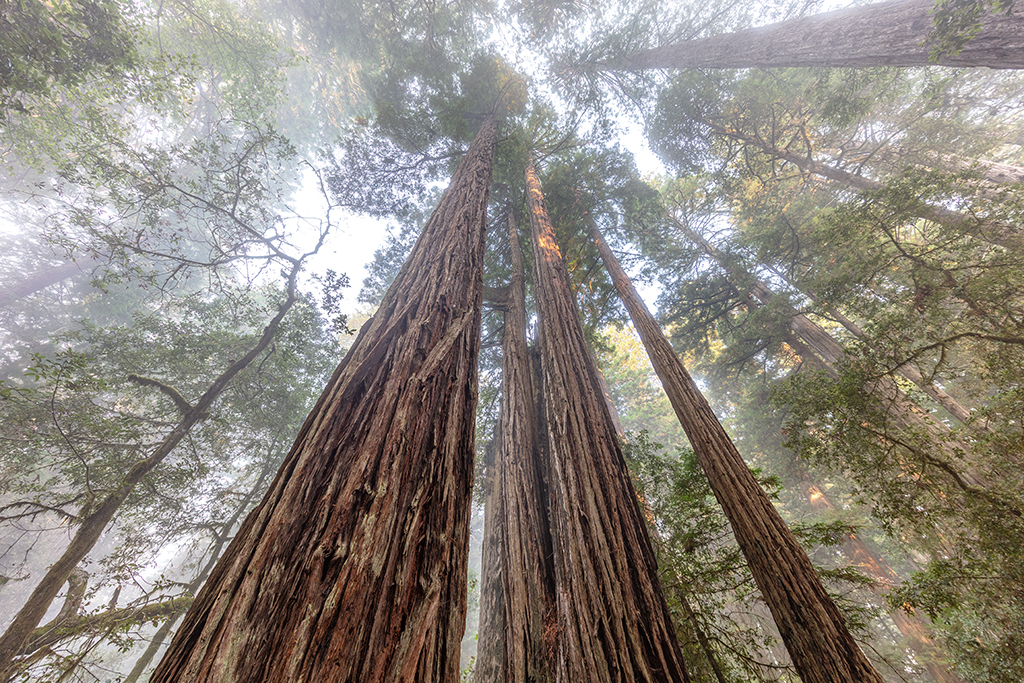
1. Redwood National and State Parks in California is home to the coastal redwood trees. Sequoia and Kings Canyon National Parks (also in California) are home to the sequoia trees. True or False: the coastal redwoods are taller than the giant sequoias.
a) True
b) False

2. True or False: The most-visited national park is the Blue Ridge Parkway in North Carolina.
a) True
b) False
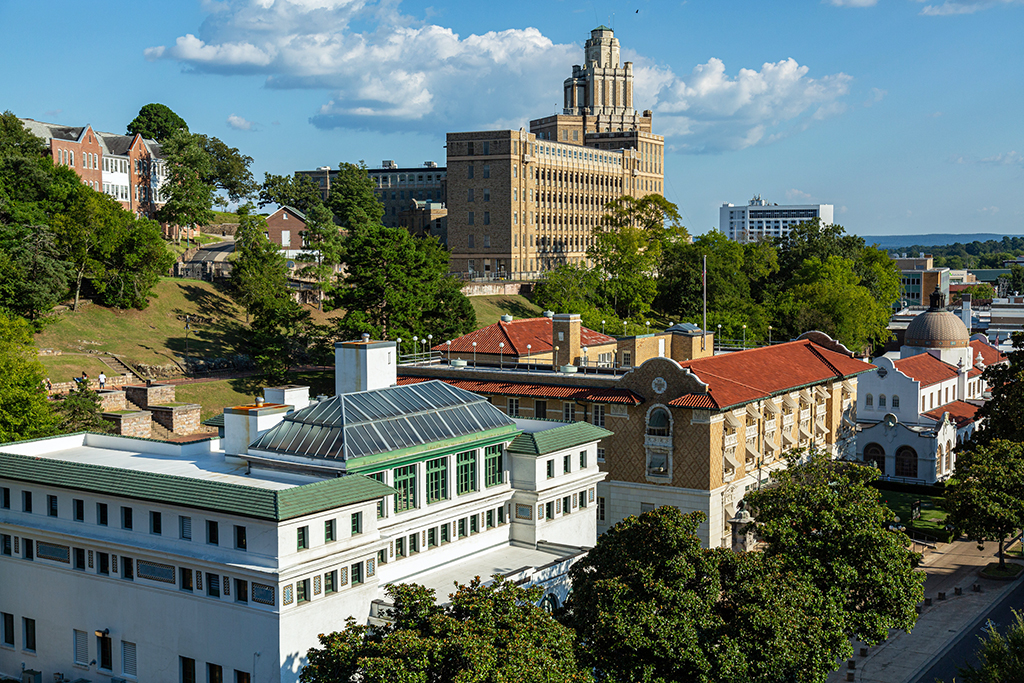
3. True or False: Hot Springs National Park in Arkansas is the smallest national park.
a) True
b) False

4. There are more than ___ earthen mounds at Effigy Mounds National Monument in Iowa.
a) 200
b) 300
c) 400
d) 500

5. Visit Padre Island National Seashore in Texas and you might come across a sea bean, which is not an actual bean but rather a tropical nut, seed, or fruit adapted for long-distance dispersal by water. Sea beans are also called ___.
a) Beanwood
b) Drift seeds
c) Sea nuts
d) Sea seeds

6. True or False: Great Smoky Mountains National Park is home to more than 3,500 species of fungi.
a) True
b) False
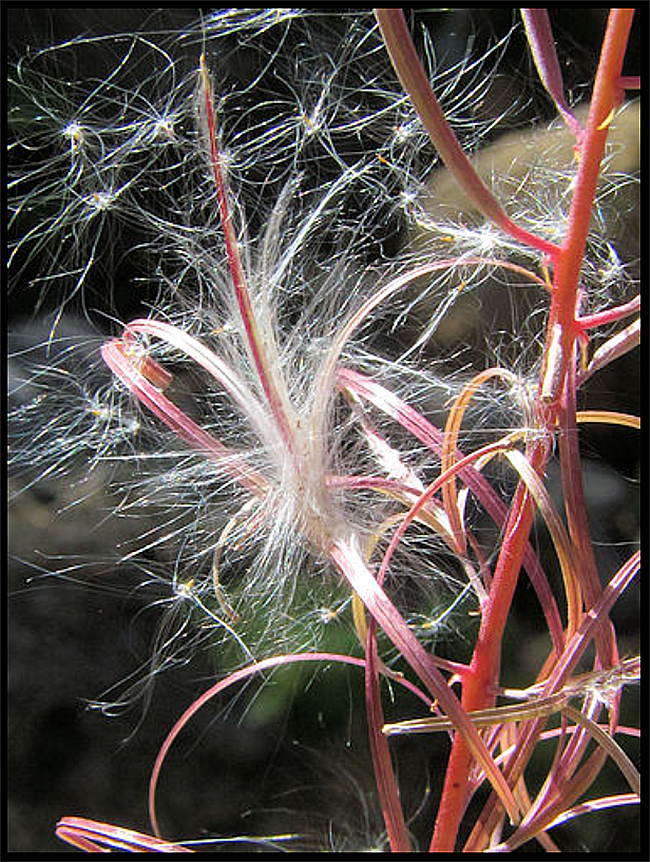
7. Certain seed pods exhibit an interesting ability to split open or gape, sometimes quite violently, when ripe. This ability is known as _____.
a) Evisceration
b) Oscitation
c) Pandiculation
d) Dehiscence
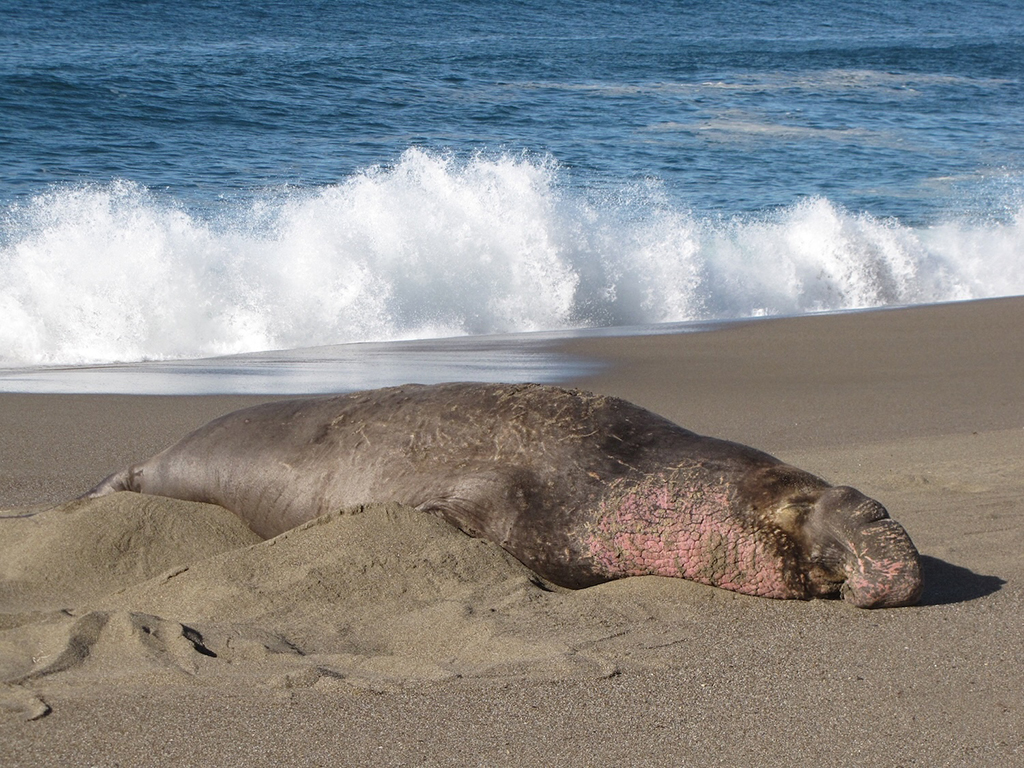
8. Visit Point Reyes National Seashore in California, and you will more than likely see at least one, if not more, elephant seals. Given this name due to that interesting nose (proboscis) seen only on male elephant seals, a male (bull) can weigh up to 5,000 pounds and measure ___ feet long.
a) 15
b) 18
c) 20
d) 23

9. Over the past two decades, Shenandoah National Park in Virginia has experienced a ___ percent decline in mature oak trees.
a) 10
b) 15
c) 20
d) 25
10. Let’s stick with Shenandoah’s forests a little longer. Like other forested units of the National Park System, Shenandoah is not without its share of invasive species. One of them is the emerald ash borer, a wood-boring beetle from Asia. ___ percent of ash trees in the park have been killed by the emerald ash borer.
a) 20
b) 30
c) 40
d) 50
Trivia
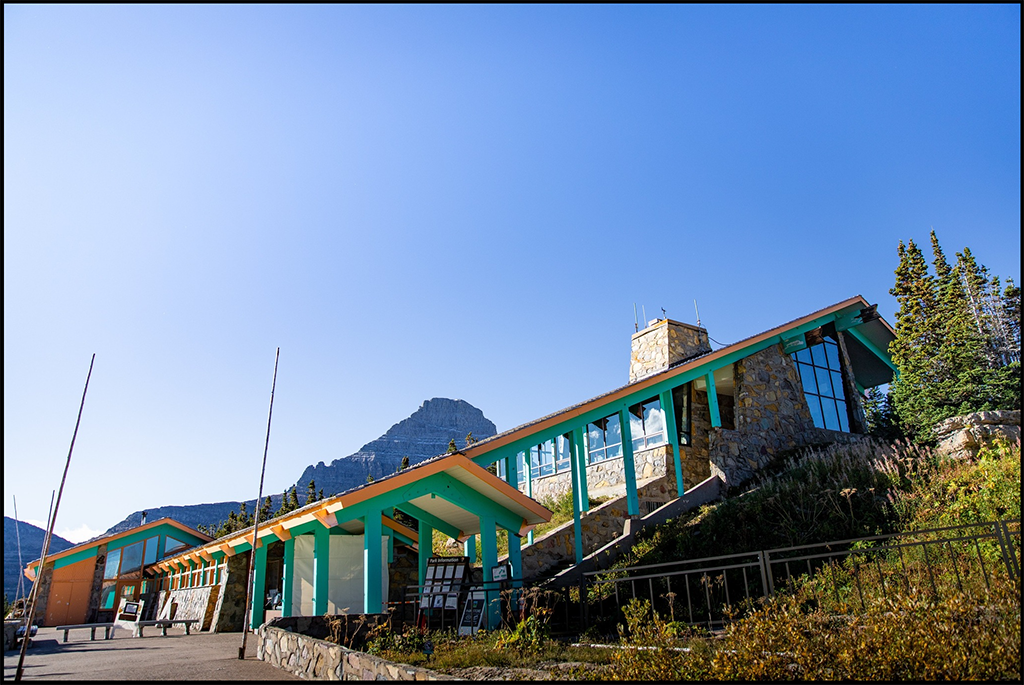
According to Glacier National Park’s Facebook page, if you get thirsty or need to use the restrooms while visiting Logan Pass Visitor Center at this national park in Montana, you’ll be using fresh water that originates from a melting ice field.
In past years, water usage at Logan Pass, which includes flush toilets and a water-filling station, clocks in between five and six thousand gallons a day. This summer [2025], water usage averaged eight thousand gallons a day. Rain helps to refill the basin during the summer, but the park is observing that the water is being used faster than it is replaced.
This is why sometimes, the plumbed bathrooms must be shut down periodically during the day to give the water tank time to refill. Never fear, though, when you gotta go. There are vault toilets and portable toilets available for visitors at this visitor center.
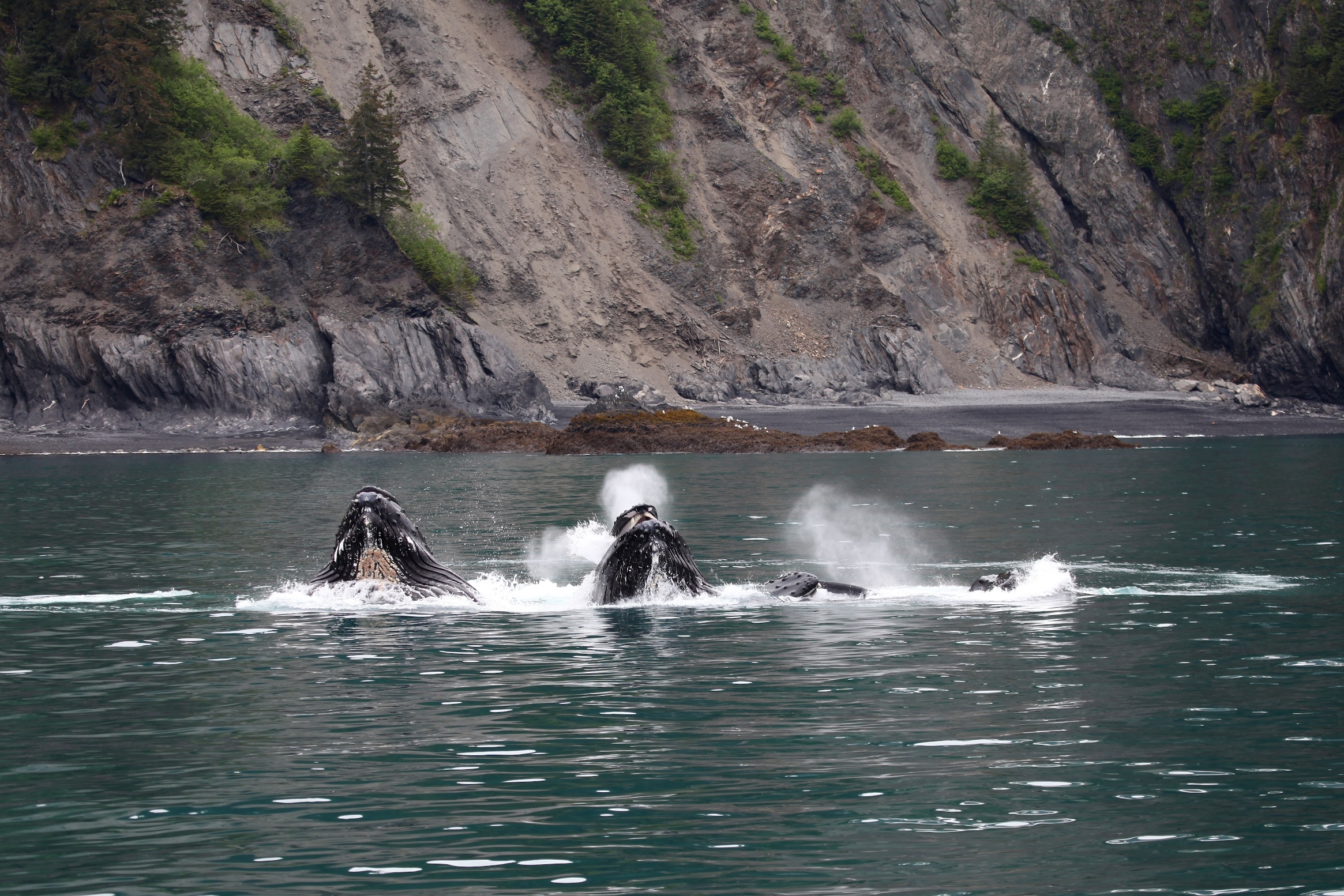
Take a cruise or other water tour at Kenai Fjords National Park in Alaska and you might be extremely fortunate to witness humpback whales engaging in an interesting hunting/feeding practice known as “bubble-netting.” According to a Traveler Feature Story:
[Bubble-netting] is an important survival tool for hungry humpbacks whose food supplies are not always predictable or stable.
As they swim in circles below the water, the bubbles the humpbacks release from their blowholes act as a visual barrier for the herring, but the fish can swim through them, Moran explains. There's also one whale outside the net that's “making noise between a scream and a moan.” The bubbles attenuate the sound waves, so when the herring stay inside the net the sound is less threatening.
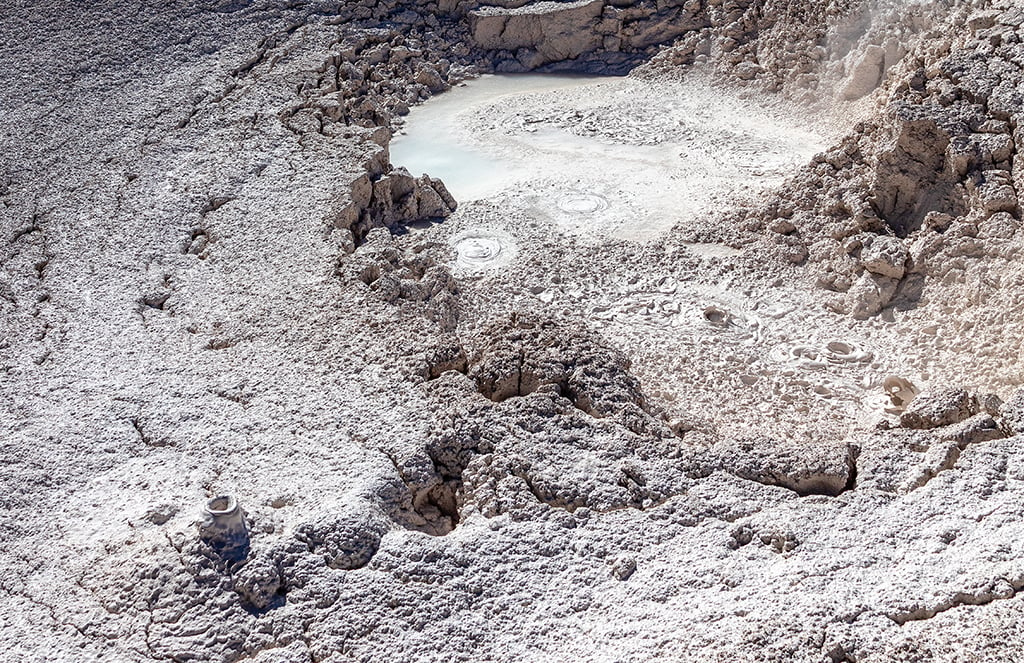
How many of you have seen the gooey bubbling of mud pots and maybe heard their plop-plop-plop while visiting Yellowstone National Park (Wyoming/Montana/Idaho)? According to this park’s Facebook page:
Formed by standing surface water acidic enough to dissolve surrounding rock into clay, mudpots have a similar structure to hot springs but with a lower water supply, hence their “gloopiness.” When you visit a thermal area in Yellowstone, you're also likely to smell the mudpots before you see them - that's due to the hydrogen sulfide gas that emanates through the mud [emitting a rotten egg odor).
Popular mudpots in the park include Artists Paintpots, Fountain Paint Pot, Mud Volcano, and West Thumb Paintpots.
Quiz Answers
1a True
Coastal redwoods are taller than giant sequoias. The tallest tree in the world is Hyperion, found at Redwood National and State Parks. Giant sequoias, on the other hand, are the largest trees in the world, by volume. Volume is the amount of three-dimensional space an object occupies.
2b False
The key words here are “national park.” The Blue Ridge Parkway is a unit of the National Park System, but it is not designated as a national park. The most-visited national park is Great Smoky Mountains National Park, in North Carolina and Tennessee. Twelve-to-fourteen million people have visited this national park each of the past four years (not counting 2025). You can check out this visitation data and other visitor use data by going to this page.
3b False
Gateway Arch National Park in Missouri is the smallest national park. Don’t confuse this with the smallest unit of the National Park System. The smallest park unit is the Thaddeus Kosciuszko National Memorial in Philadelphia, Pennsylvania, which covers just 0.02 acres. Sure, you might think the David Berger National Memorial in Ohio is the smallest unit, but the NPS recognizes the Thaddeus Koscluszko National Memorial as being the smallest unit.
4a
There are more than 200 mounds in Effigy Mounds National Monument, with the largest concentration of them in the Sny Magill Unit. It’s one of the most densely clustered concentration of such mounds in North America, and you can read more about them in this Traveler Feature Story.
5b
Sea beans are also sometimes called drift seeds. You can read more about sea beans and sea beaning by reading this Traveler Feature Story.
6a True
Great Smoky Mountains National Park is home to more than 3,500 species of fungi, the highest diversity of fungi in North America.
7d
According to Mount Rainier National Park’s Facebook page, dehiscence comes from the Latin word “dehiscere,” which means to “split open or gape.”
Legumes are notorious for their ability to dehisc violently when fully dry, often throwing seed 25 feet [7.6 meters] or more from the parent plant. Others such as the slender siliques of Fireweed simply split and peel backwards to release their fluff into the breeze. On the other hand, indehiscent fruits such as sunflower seeds and acorns open only when the germinating seed begins to exert pressure from inside, or when the hard outer shell is weakened by some external factor (freezing, fire, moisture, etc.). In the case of Fireweed (Chamaenerion angustifolium, shown here), the tiny seed attached to the silky pappus is so hard that it still requires scarification by fire before it can sprout. It is often the first plant to emerge after a fire.
8a
Male elephant seals can measure about 15 feet (4.6 meters) long.
9c
Over the past two decades, Shenandoah National Park in Virginia has experienced a 20 percent decline in mature oak trees. You can read more about forest monitoring in this national park in this Traveler Feature Story.
10d
Fifty percent of Shenandoah National Park’s ash trees have been killed by the invasive emerald ash borer.
Stories about:
Story Categories:
A copy of National Parks Traveler's financial statements may be obtained by sending a stamped, self-addressed envelope to: National Parks Traveler, P.O. Box 980452, Park City, Utah 84098. National Parks Traveler was formed in the state of Utah for the purpose of informing and educating about national parks and protected areas.
Residents of the following states may obtain a copy of our financial and additional information as stated below:
- Florida: A COPY OF THE OFFICIAL REGISTRATION AND FINANCIAL INFORMATION FOR NATIONAL PARKS TRAVELER, (REGISTRATION NO. CH 51659), MAY BE OBTAINED FROM THE DIVISION OF CONSUMER SERVICES BY CALLING 800-435-7352 OR VISITING THEIR WEBSITE. REGISTRATION DOES NOT IMPLY ENDORSEMENT, APPROVAL, OR RECOMMENDATION BY THE STATE.
- Georgia: A full and fair description of the programs and financial statement summary of National Parks Traveler is available upon request at the office and phone number indicated above.
- Maryland: Documents and information submitted under the Maryland Solicitations Act are also available, for the cost of postage and copies, from the Secretary of State, State House, Annapolis, MD 21401 (410-974-5534).
- North Carolina: Financial information about this organization and a copy of its license are available from the State Solicitation Licensing Branch at 888-830-4989 or 919-807-2214. The license is not an endorsement by the State.
- Pennsylvania: The official registration and financial information of National Parks Traveler may be obtained from the Pennsylvania Department of State by calling 800-732-0999. Registration does not imply endorsement.
- Virginia: Financial statements are available from the Virginia Department of Agriculture and Consumer Services, 102 Governor Street, Richmond, Virginia 23219.
- Washington: National Parks Traveler is registered with Washington State’s Charities Program as required by law and additional information is available by calling 800-332-4483 or visiting www.sos.wa.gov/charities, or on file at Charities Division, Office of the Secretary of State, State of Washington, Olympia, WA 98504.


National parks and their natural resources belong to you. The National Parks Traveler works to ensure you know how these essential places are being cared for.
Sign Up For Our Weekly Newsletter
Unsubscribe at any time.
INN Member

The easiest way to explore RV-friendly National Park campgrounds.

Here’s the definitive guide to National Park System campgrounds where RVers can park their rigs.
Our app is packed with RVing- specific details on more than 250 campgrounds in more than 70 national parks.
You’ll also find stories about RVing in the parks, tips helpful if you’ve just recently become an RVer, and useful planning suggestions.

