
U.S. Sen. Mike Lee of Utah single-handedly appears to have produced what just might be the most unified, and broadly dispersed, opposition to anti-conservation legislation ever considered by Congress.
From organizations such as The Wilderness Society and the Theodore Roosevelt Conservation Partnership to the outdoor recreation industry and hundreds of state and local officials, Lee's proposal to sell millions of acres of U.S. Forest Service and Bureau of Land Management lands to help fund President Trump's tax cut package has fomented national and local outrage.
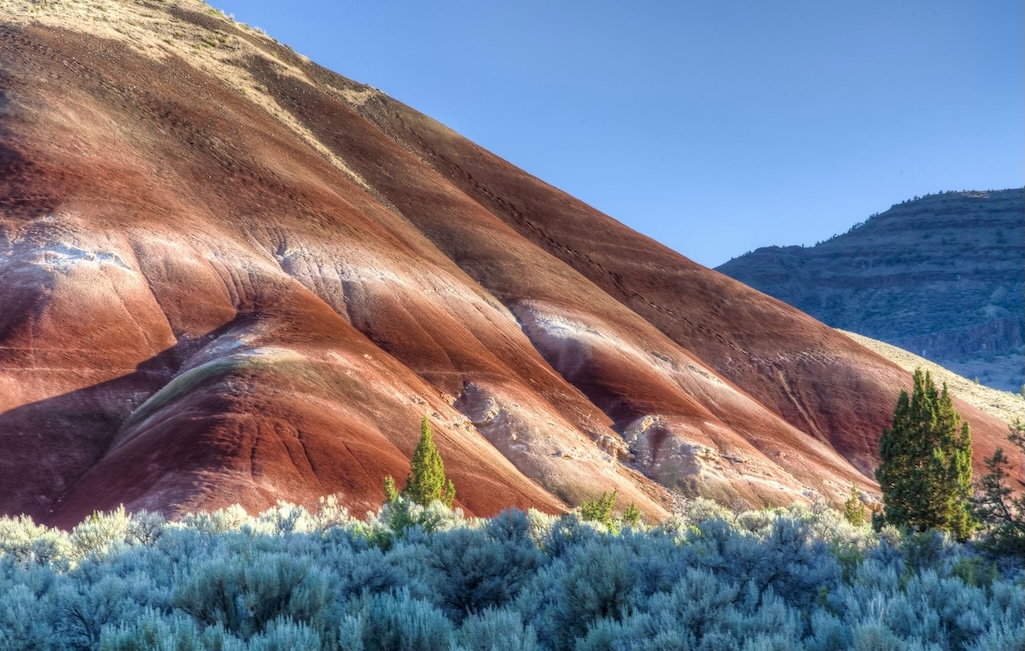
Among the locations that could be considered for sale if the legislation became law are national forests near Kings Canyon, Sequoia, and Yosemite national parks; the North Fork of the Shoshone River just east of Yellowstone National Park that is a key migratory corridor for elk; the Mount Leidy Highlands northeast of Grand Teton National Park that is an area popular with snowmobilers and cross-country skiers; parts of the Mount Baker-Snoqualmie National Forest in Washington state; Borah Peak in Idaho, the state's tallest mountain; and parts of Utah's San Rafael Swell, an area so scenic that in the 1930s state officials wanted it designated as a national park.
Lee, who chairs the Senate's Energy and Natural Resources Committee, crafted the measure not long after the House of Representatives dropped from its version of the One Big Beautiful Bill legislation an amendment sponsored by GOP Reps. Mark Amodei of Nevada and Celese Maloy of Utah that would have allowed for public lands sales in four Nevada counties and one in Utah — including lands near Zion National Park.
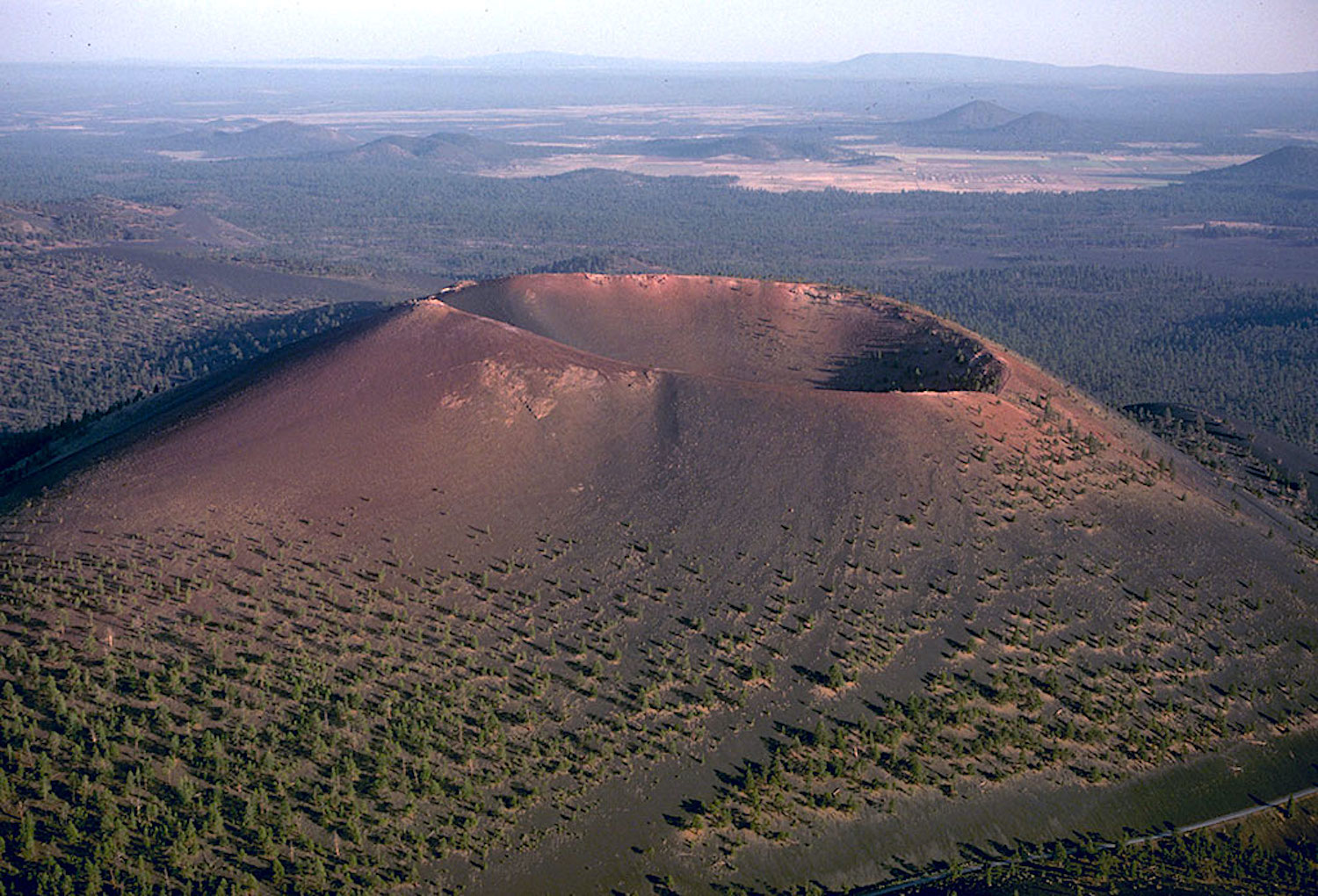
Maps speculating (maps might not open on Chrome browsers) on public lands that might be deemed eligible to be sold under the Republiucan's proposal show lands close to, if not actually abutting, Canyonlands, Death Valley, Lassen Volcanic, Mount Rainier, Olympic, and Yellowstone national parks. Other units of the National Park System that on the map appear vulnerable to development include Kings Canyon National Park, Grand Teton National Park, and Walnut Canyon and Sunset Crater Volcano national monuments, with Sunset Crater completely surrounded by eligible Forest Service lands.
Sen. Martin Heinrich of New Mexico, the top Democrat on the committee, strongly opposes the measure.
"Our public lands hold our shared identity: they are where we gather, fish, hunt, and hike. These lands house our collective history, support jobs, and sustain our rural economies. From the hiking trails near the Sandia Crest to the biking trails of the Monumental Loop to the lands surrounding the Santuario de Chimayo, these places are the anvil on which our identities are forged. We can’t let Republicans take them from us," he said this past week.
"Republicans can’t fool us: their scheme to sell public lands has nothing to do with affordable housing or lowering costs for families," he said. "It’s a direct attack on every New Mexican, whether you have an elk tag, a fishing license, a backpack, a tent, a mountain bike, or a soft spot, special memory, or sacred connection to a particular place important to you, your family, and your ancestors."
Hundreds Of Millions Of Acres
Michael Carroll, a staffer with The Wilderness Society who has closely tracked Lee's proposal, said during the National Parks Traveler's podcast this Sunday that "any interested party can identify a piece of land that qualifies to be sold. ... We have a map that shows that what we're really talking about here, when you actually crunch the numbers and look at the maps, there are 258 million acres that could be up for sale. The legislation itself caps sales at 3 million acres, but 258 million are on the menu."
According to Carroll's calculations, 33.5 million acres in Nevada would be deemed eligible for sale under the bill, 21 million acres in Idaho, 14 million acres in Arizona, 18 million acers in Utah, 5 million acres in Washington, and 14 million acres in Wyoming. Interestingly, the legislation doesn't propose any Montana lands for the auction block.
"You had Senator (Steve) Daines and Senator (Tim) Sheehy from Montana, who began having conversations with Senator Lee about their opposition," he said. "They've said in numerous interviews and publicly said that they oppose public land sales. But rather than drawing a hard line in the sand, which we hoped they would, they've continued to have conversations with Senator Lee about his piece of legislation to try and improve it. One of the things that's happened in that time period, which we think was by design by Senator Lee, is that Montana was exempted."
Who is on board with Lee is hard to say, as the legislation with a list of co-sponsors has not yet surfaced. However, Sen. Jim Risch, an Idaho Republican, said he wouldn't support it, and U.S. Rep. Kevin Kiley, a California Republican, said he couldn't support the legislation if it "excludes local leaders from having a meaningful seat at the table for these important decisions."
While President Trump during the election campaign said federal lands could be sold off to provide for affordable housing, Carroll said "there's nothing in this piece of legislation that actually addresses housing in any huge way, in terms of addressing affordability, addressing people's ability to have lands that are adjacent to existing infrastructure. ... This is about trying to get to a place where they can do large-scale sell-offs to land speculators, billionaires, and major national corporations to develop them."
Outdoor Recreation Outrage
At the Outdoor Recreation Roundtable, which represents dozens of companies in the outdoor recreation sector, officials said “ORR has long worked with the administration, Republicans, and Democrats on the bipartisan objectives of improving access and infrastructure for all recreation activities and also understands the needs of Senator Lee’s constituents for long-term affordable housing. However, the Senate Energy and Natural Resources Committee’s reconciliation proposal is at odds with these objectives as it could threaten our $1.2 trillion outdoor recreation economy, the five million jobs it supports, and the thousands of businesses and communities that rely on access to public lands and water.
The ORR statement pointed out that, "[W]hat some may see as a barren lot on a map on a Senator’s desk may actually be where a community hikes after work, rides their ATV, or teaches their kids how to hunt turkey or ride a bike. And once these treasured places are sold to private industry, they are gone forever, and in the case of this proposal, can be used for any purpose after ten years."
"Additionally, this provision has not been vetted through the appropriate Congressional process to ensure it meets all of the needs of the communities in the listed states," the group added. "We urge Congress to keep the sale of public lands out of the federal budget reconciliation process as we saw how unpopular and out of touch it was with American businesses the public. The House of Representatives stripped sell-off from this legislation just last month for these reasons."
At the Theodore Roosevelt Conservation Partnership, President and CEO Joel Pedersen said the bill as currently proposed is opposed by hunters and anglers. Earlier this month, 44 hunting, fishing, and conservation organizations sent a letter to Senate leadership urging them to keep public lands sales out of the reconciliation bill.
“The Senate proposal sets an arbitrary acreage target and calls for the disposal of up to six times more land than was proposed in early versions of the House budget reconciliation bill," said Pedersen. "If passed, sportsmen and women would lose access to large tracts of public land.”
Land sales also could have a detrimental impact on rivers and streams that flow through national parks, said Alex Maier, the chief marketing officer of OnWater, which has developed a digital tool that helps anglers and paddlers access waterways.
"The 3 million-acre land sale doesn’t include national parks themselves, but the water that flows through them doesn’t stop at park boundaries," Maier said in an email. "Headwaters outside protected areas feed the rivers inside them. Private development upstream means pollution, sediment, and warming. All of it flows downstream into our most iconic parks. You can’t protect Yellowstone and sell off the sources of the Yellowstone River. You can’t safeguard Yosemite while auctioning off its upstream tributaries. Being protected on paper means nothing if the water is compromised before it ever reaches the park. This land sale threatens more than access. It threatens the ecological health of everything downstream."
Opposition From Local Officials
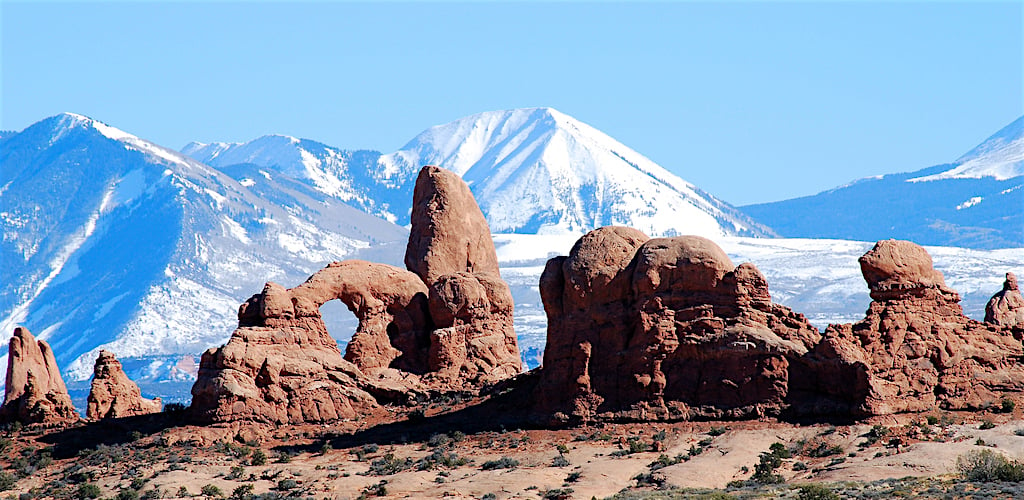
Among the local elected officials speaking out against the measure was Grand County, Utah, Commissioner Trish Hedin, who notes that her county "is home to such national treasures as Arches and Canyonlands national parks, which are crucial to our economy, our recreational opportunities, and our physical and psychological well-being. I am deeply concerned that Republicans’ attempts to sell off protected public lands puts these irreplaceable places, and countless others like it across the West, at risk.
"We must ensure public lands remain open and accessible to the public, so these critical landscapes can continue benefiting communities like ours for years to come," she added. "I am deeply discouraged as a citizen and representative of Utah that our own Mike Lee is at the root of" this measure.
Also in Utah, Travis Hammill of the Southern Utah Wilderness Alliance said Lee's "hostility (against public lands) stands in stark contrast with Americans’ deep and abiding love of public lands. Senator Lee’s plan puts Utah’s redrock country in the crosshairs of unchecked development. In Utah and the West, public lands are the envy of the country — but Senator Lee is willing to sacrifice the places where people recreate, where they hunt and fish, and where they make a living – to pay for tax cuts for the ultra-wealthy.
In Arizona, Coconino County Board of Supervisors Chair Patrice Horstman said she was "deeply alarmed and profoundly disappointed by the Senate’s new proposal to sell off public lands. These lands are not tradable assets—they are the bedrock of our communities, economy, and heritage."
"Here in Coconino County," Horstman continued, "our public lands—spanning nearly five million acres—are essential to our identity and prosperity. From the grandeur of the Grand Canyon to the rich forests surrounding Flagstaff, these landscapes are not only sacred to Indigenous Peoples and wildlife—they are a vital economic engine. Tourism here generates nearly a billion dollars annually. Selling off our public lands would devastate ecosystems, displace wildlife, threaten Indigenous stewardship, and undermine the rural economies that rely on recreation, tourism, grazing, hunting, fishing, and cultural heritage. Those lands belong to all of us—not to be bargained away for short‑term political gain.”
Polling long has shown that those who live in the West oppose the sale of federal lands.
A survey in 2023 by Colorado College found that 84 percent of those contacted in Arizona, Colorado, Idaho, Montana Nevada, New Mexico, and Wyoming support creating new national parks, national monuments, and national wildlife refuges and tribal protected areas to protect historic sites or areas of outdoor recreation.
What the future of Lee's legislation is remains to be seen. The full Senate Energy and Natural Resources Committee has yet to vote on it, according to Carroll.
Story Categories:
A copy of National Parks Traveler's financial statements may be obtained by sending a stamped, self-addressed envelope to: National Parks Traveler, P.O. Box 980452, Park City, Utah 84098. National Parks Traveler was formed in the state of Utah for the purpose of informing and educating about national parks and protected areas.
Residents of the following states may obtain a copy of our financial and additional information as stated below:
- Florida: A COPY OF THE OFFICIAL REGISTRATION AND FINANCIAL INFORMATION FOR NATIONAL PARKS TRAVELER, (REGISTRATION NO. CH 51659), MAY BE OBTAINED FROM THE DIVISION OF CONSUMER SERVICES BY CALLING 800-435-7352 OR VISITING THEIR WEBSITE. REGISTRATION DOES NOT IMPLY ENDORSEMENT, APPROVAL, OR RECOMMENDATION BY THE STATE.
- Georgia: A full and fair description of the programs and financial statement summary of National Parks Traveler is available upon request at the office and phone number indicated above.
- Maryland: Documents and information submitted under the Maryland Solicitations Act are also available, for the cost of postage and copies, from the Secretary of State, State House, Annapolis, MD 21401 (410-974-5534).
- North Carolina: Financial information about this organization and a copy of its license are available from the State Solicitation Licensing Branch at 888-830-4989 or 919-807-2214. The license is not an endorsement by the State.
- Pennsylvania: The official registration and financial information of National Parks Traveler may be obtained from the Pennsylvania Department of State by calling 800-732-0999. Registration does not imply endorsement.
- Virginia: Financial statements are available from the Virginia Department of Agriculture and Consumer Services, 102 Governor Street, Richmond, Virginia 23219.
- Washington: National Parks Traveler is registered with Washington State’s Charities Program as required by law and additional information is available by calling 800-332-4483 or visiting www.sos.wa.gov/charities, or on file at Charities Division, Office of the Secretary of State, State of Washington, Olympia, WA 98504.


National parks and their natural resources belong to you. The National Parks Traveler works to ensure you know how these essential places are being cared for.
Sign Up For Our Weekly Newsletter
Unsubscribe at any time.
INN Member

The easiest way to explore RV-friendly National Park campgrounds.

Here’s the definitive guide to National Park System campgrounds where RVers can park their rigs.
Our app is packed with RVing- specific details on more than 250 campgrounds in more than 70 national parks.
You’ll also find stories about RVing in the parks, tips helpful if you’ve just recently become an RVer, and useful planning suggestions.

