
We travel to units of the National Park System to see beautiful landscape, learn about history, view amazing wildlife, and to simply learn new things. We take that knowledge (and photos) back with us to impress family, friends, and coworkers. Just how much of that park knowledge stays with you? Maybe more than you realize. You can test some of your knowledge with this latest national parks quiz and trivia piece. You might even learn something new right here!
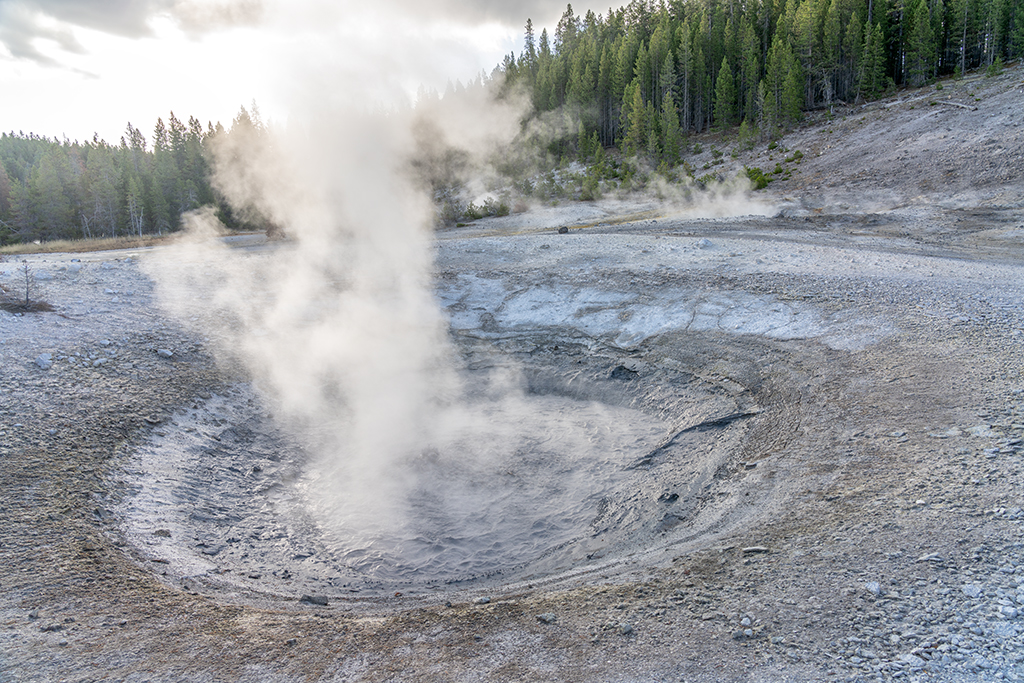
1. As you wander the boardwalks in Porcelain Basin, a section of the larger Norris Geyser Basin at Yellowstone National Park in Wyoming/Montana/Idaho, you will come across a venting hillside of escaping sulfuric acid, gases, steam, and boiling mudpots, along with hot, crumbling, decomposing rock. This barren, steaming landscape is known as a/an ___.
a) Fumarole field
b) Vent vale
c) Solfatara
d) Hydrothermal hill
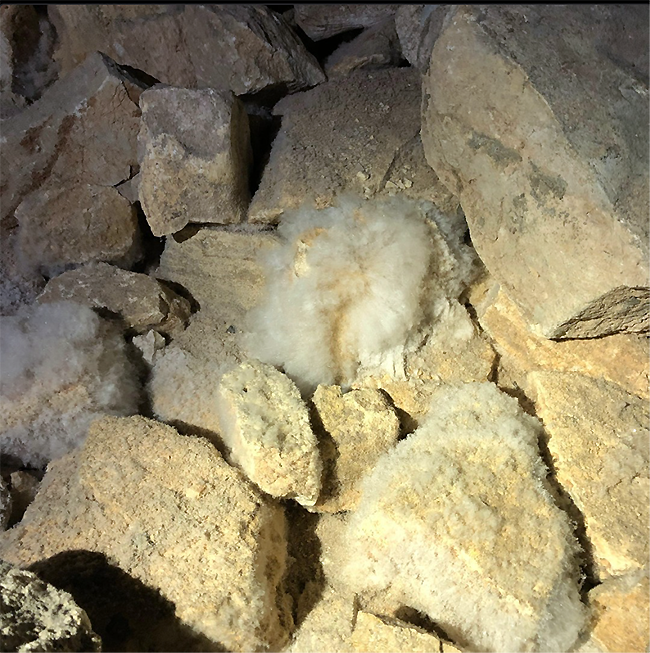
2. True or False: While walking along the passages in Carlsbad Caverns, you might notice what looks like white, cottony patches on the rocks and walls. These cotton patches are actually mold growing in the cave.
a) True
b) False

3. True or False: Wind Cave National Park in South Dakota is located within the Black Hills. At one time, these hills were about 10,000 feet (3,048 m) taller than they are now.
a) True
b) False
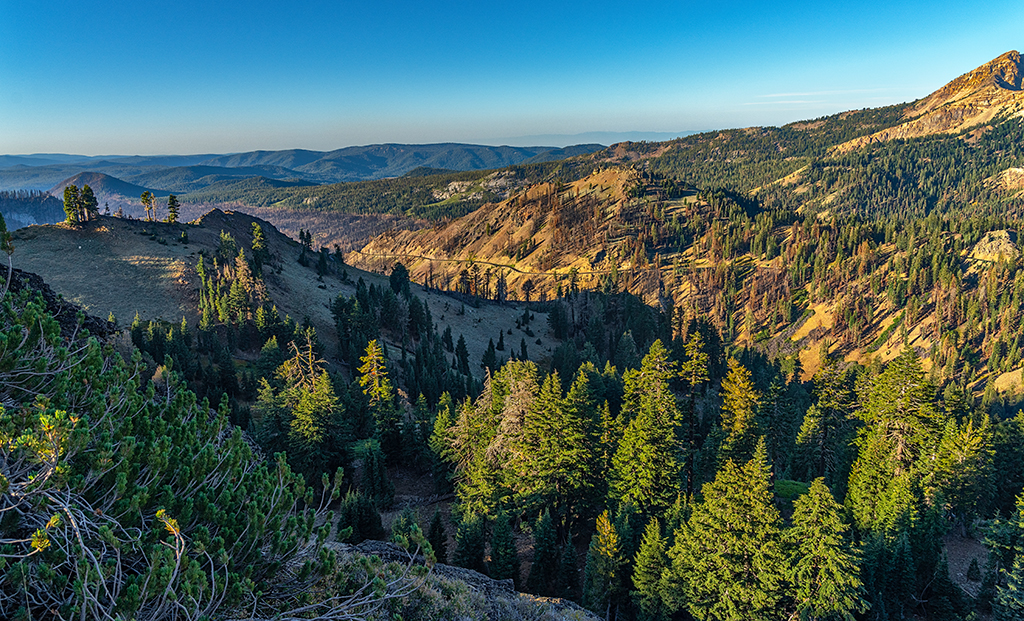
4. Situated at the southern end of the Cascade Range geologic province, Lassen Volcanic National Park in California lies at the crossroads of three great biological provinces: the Cascades range, the Sierra Nevada mountains, and the ____ .
a) Sonoran desert
b) Chihuahuan desert
c) Great Basin desert
d) Mojave desert
5. Let’s stick with Lassen Volcanic National Park a little longer. True or False: There are four plant life zones that account for the great diversity of both native and non-native species.
a) True
b) False
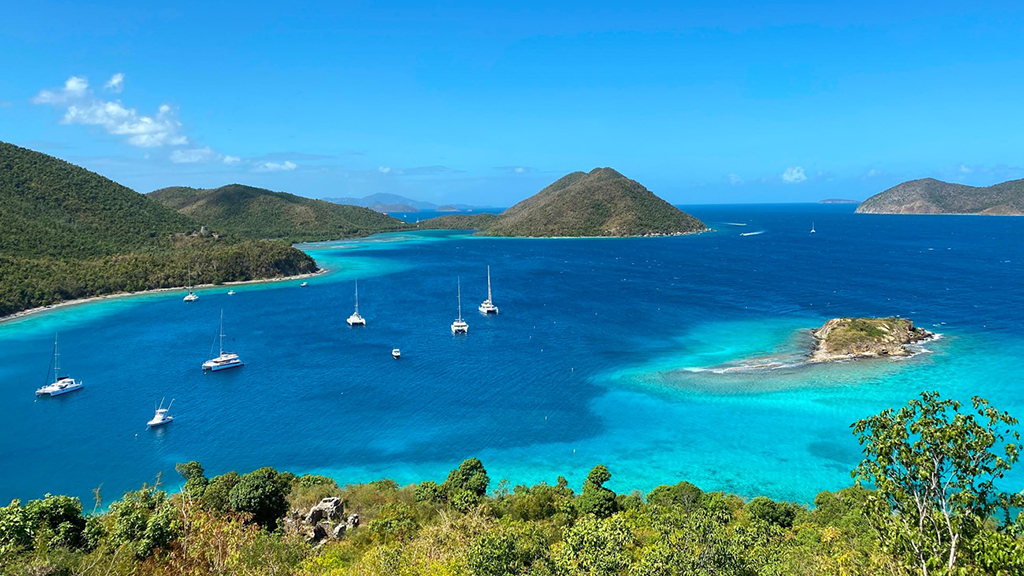
6. True or False: The efforts of Laurence Spelman Rockefeller provided much of the land that made Virgin Islands National Park a reality and helped to launch Caneel Bay Resort.
a) True
b) False
7. Walnut Canyon National Monument in Arizona takes its modern name from the ___walnut, a tree once common in the canyon bottom.
a) English
b) Arizona
c) Chandler
d) Serr

8. Joshua Tree National Park in California is home to a very interesting variety of vegetation, including the “jumping cactus,” more commonly known as the cholla cactus. There are several varieties of cholla found within the park, including “Teddy Bear” cholla, silver cholla, pencil cholla, matted cholla, and ___ cholla.
a) Cushion foxtail
b) Kingcup
c) Hedgehog
c) Beavertail
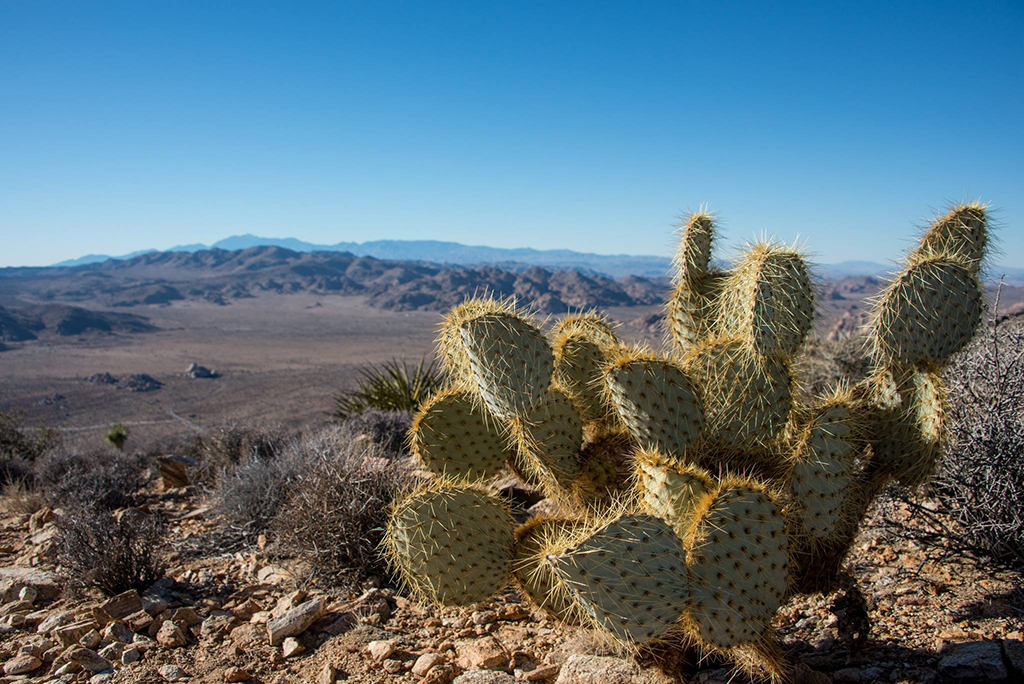
9. Ok, let's stay with Joshua Tree National Park a little longer. Question 8 showed you there are several colla cactus varieties in this park. There are also several varieties of prickly pear cactus: grizzlybear, tulip, dollarjoint, and ___.
a) Beavertail
b) Englemann
c) Plains
d) Dune
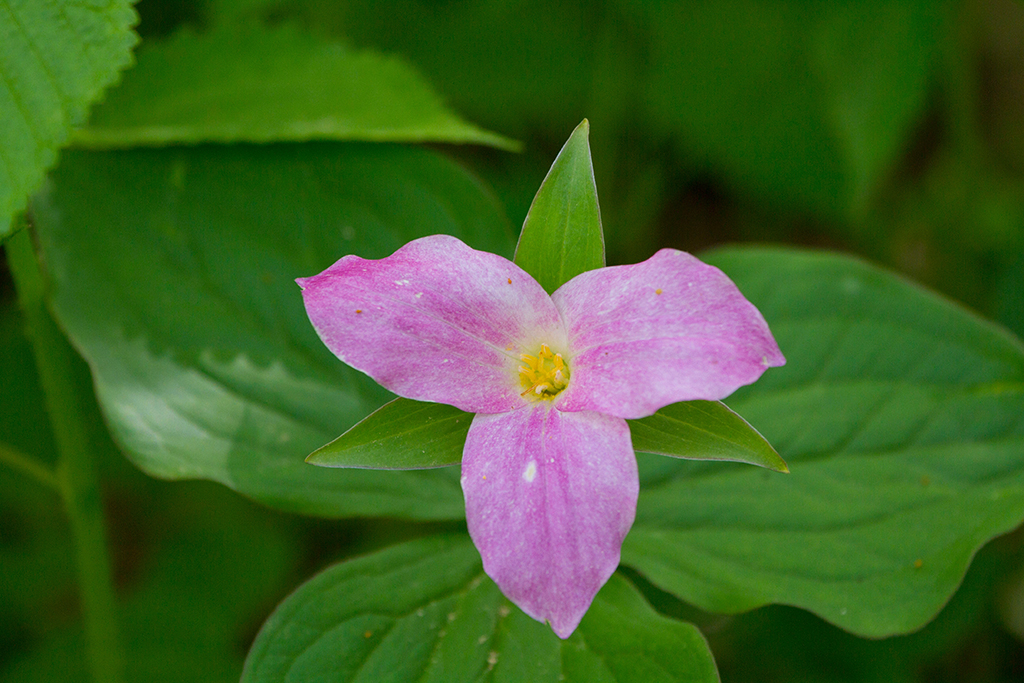
10. There are 862 species of wildflowers in Shenandoah National Park in Virginia, accounting for nearly ___ of the Shenandoah National Park’s species of vascular plants (including 66 rare species).
a) two-thirds
b) one fourth
c) one half
d) three-fourths
Trivia

If you've ever visited Yellowstone National Park (WY/MT/ID) and spent any time viewing bison through your binoculars, spotting scope, or camera's telephoto lens, you may have noticed some brown birds hitching a ride on a bison's back as well as covering the ground all around the bison.
These are brown-headed cowbirds (aka "buffalo birds") and they flock around bison to get their daily meal of flies, ticks, and whatever other insect pest gets caught in the bison's thick fur. These birds also eat the insects flushed up from the grass by these lumbering behemoths as they graze the landscape.
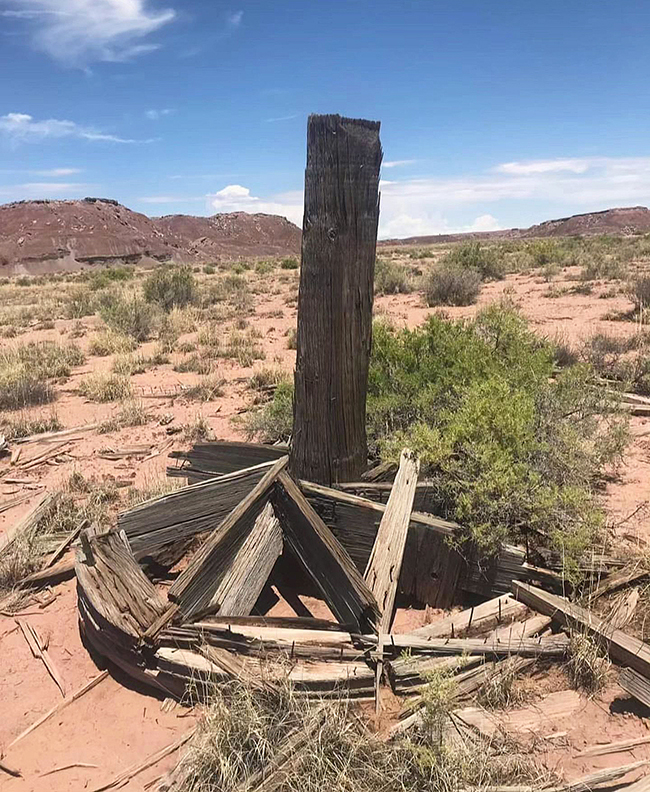
What you see in the photo above is what remains of the Zuni Well, located in the backcountry of Petrified Forest National Park in Arizona. According to park staff, “The well was made by the Zuni Oil Company in their search for oil during the 1920s. The efforts were curtailed and failed when they hit a large piece of petrified wood and then water. The well was later developed as a water source by the National Park Service, providing water to the Pained Desert area as early as 1939, and discontinued in the 1960s when the pumphouse was razed.” If you happen to see any historic or archaeological sites during your backcountry hikes, please remember to look, but leave in place for the next visitor to look at. It is illegal to take anything from a national park.
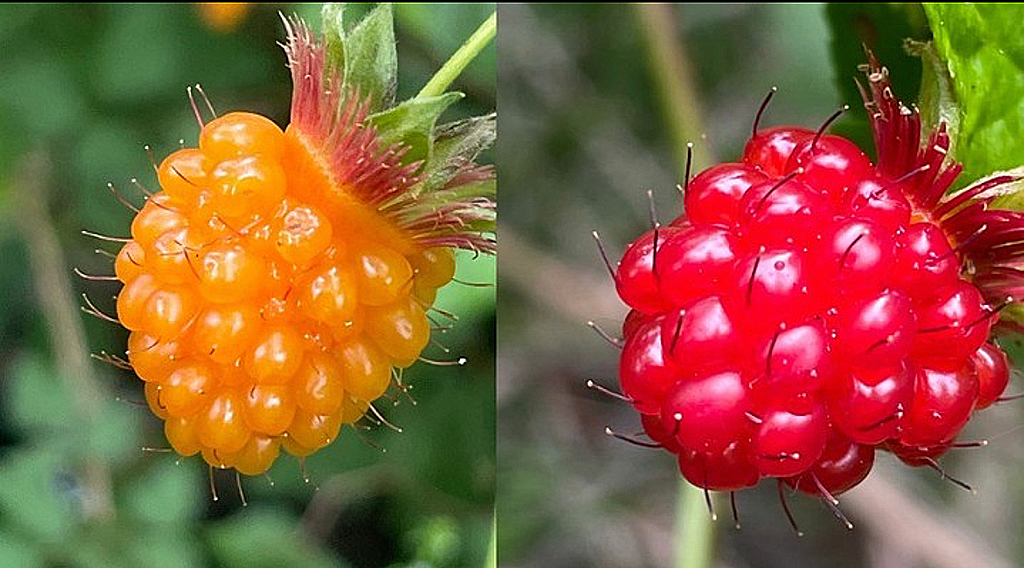
If you happen to travel along the Pacific Coast portion of the Lewis and Clark National Historic Trail, depending upon the time of season, you might come across a bright yellow, or bright red berry that looks a lot like a raspberry. You are looking at a salmonberry (yes, both colors are for the salmonberry).
This berry was a new discovery for Captains Lewis and Clark and their Corps of Discovery, who first saw them near the Cowlitz River at what is now Longview, Washington. Lewis collected a specimen to send back along with other items discovered during their trek to the Pacific Ocean.
According to park staff, “The salmonberry is a member of the rose family and is very similar to a raspberry in size and shape, but its fruit is usually yellow, orange, or red. The shrub ranges in height between 3 to 12 feet [0.9 – 3.66 m], with woody stems covered with fine prickles. Fruit is normally available between mid-June and late July. Mature fruits are tender and sweet and are often used in jams, jellies, and baked goods. Salmonberry is also used to flavor beer and wine.”
Area tribes used the berries in teas and to treat diarrhea or dysentery. They also made a poultice of leaves and bark for dressing burns and open sores.
Quiz Answers
1c
A solfatara is a fumarole emitting sulfurous gases. A solfatara’s high concentration of sulfuric acid breaks down the surrounding rock, which in turn makes the escaping steam constant, but less dramatic than the steam emerging from a geyser or some of the other hydrothermal features you see out in the midst of Porcelain Basin.
2b False
Thenardite is not mold, but rather a sodium sulfate mineral that grows in caves. When the humidity of a cave reaches a certain point, it starts to grow like mold would in a damp area. During the winter, thenardite grows in many areas within Carlsbad Caverns. The mineral is fibrous and fragile, so look, but please don’t touch.
3b False
The rolling Black Hills in which Wind Cave sits are the result of crustal uplift and formed about 65 million years ago in the most recent of at least three mountain building episodes in the region where the park sits. If you were to fly over the exposed rocks of the entirety of the Black Hills, you would notice a “bullseye” pattern around the center of the hills, with granites (igneous rocks) and gneisses (metamorphic rocks) forming the core. Moving outward from that core, you would to see younger sedimentary rocks (limestones, shales, sandstones). Since their formation, there has been quite a bit of erosion. Had there been no erosion, the Black Hills would be 7,500 feet higher (2,286 m) than they are today. To read more about Wind Cave geology, click here.
4c
Situated at the southern end of the Cascade Range geologic province, Lassen Volcanic National Park in California lies at the crossroads of three great biological provinces: the Cascades range to the north, the Sierra Nevada mountains to the south and the Great Basin desert to the east. Because of this, over 700 flowering plant species, 300 species of vertebrates, and 350 species of invertebrates.
5b False
There are three plant life zones accounting for the great diversity of vegetation within Lassen Volcanic National Park: Mixed Conifer (below 6,500 feet), Red Fir Forest (6,500-8,500 feet), and Subalpine (8,000 to 10,000 feet). To read more about these life zones and the plants of Lassen, click here.
6a True
The efforts of Laurence Spelman Rockefeller provided much of the land that made Virgin Islands National Park a reality and helped to launch Caneel Bay Resort. You can read more about this national park’s history here.
7b
There are over 20 species of walnut found all over the world. Walnut Canyon National Monument in Arizona takes its modern name from the Arizona walnut, a tree once common in the canyon bottom.
8a
There are several varieties of cholla found within the park, including “Teddy Bear” cholla, silver cholla, pencil cholla, and cushion foxtail cholla. You can read more about Joshua Tree’s desert vegetation here.
9a
There are several varieties of prickly pear cactus found in Joshua Tree National Park: grizzly bear, tulip, dollarjoint, and beavertail.
10a
There are 862 species of wildflowers in Shenandoah National Park in Virginia, accounting for nearly two-thirds of the Shenandoah National Park’s 1,376 species of vascular plants (including 66 rare species). You can read more “by the numbers” for this national park here.
Stories about:
Story Categories:
A copy of National Parks Traveler's financial statements may be obtained by sending a stamped, self-addressed envelope to: National Parks Traveler, P.O. Box 980452, Park City, Utah 84098. National Parks Traveler was formed in the state of Utah for the purpose of informing and educating about national parks and protected areas.
Residents of the following states may obtain a copy of our financial and additional information as stated below:
- Florida: A COPY OF THE OFFICIAL REGISTRATION AND FINANCIAL INFORMATION FOR NATIONAL PARKS TRAVELER, (REGISTRATION NO. CH 51659), MAY BE OBTAINED FROM THE DIVISION OF CONSUMER SERVICES BY CALLING 800-435-7352 OR VISITING THEIR WEBSITE. REGISTRATION DOES NOT IMPLY ENDORSEMENT, APPROVAL, OR RECOMMENDATION BY THE STATE.
- Georgia: A full and fair description of the programs and financial statement summary of National Parks Traveler is available upon request at the office and phone number indicated above.
- Maryland: Documents and information submitted under the Maryland Solicitations Act are also available, for the cost of postage and copies, from the Secretary of State, State House, Annapolis, MD 21401 (410-974-5534).
- North Carolina: Financial information about this organization and a copy of its license are available from the State Solicitation Licensing Branch at 888-830-4989 or 919-807-2214. The license is not an endorsement by the State.
- Pennsylvania: The official registration and financial information of National Parks Traveler may be obtained from the Pennsylvania Department of State by calling 800-732-0999. Registration does not imply endorsement.
- Virginia: Financial statements are available from the Virginia Department of Agriculture and Consumer Services, 102 Governor Street, Richmond, Virginia 23219.
- Washington: National Parks Traveler is registered with Washington State’s Charities Program as required by law and additional information is available by calling 800-332-4483 or visiting www.sos.wa.gov/charities, or on file at Charities Division, Office of the Secretary of State, State of Washington, Olympia, WA 98504.
INN Member

The easiest way to explore RV-friendly National Park campgrounds.

Here’s the definitive guide to National Park System campgrounds where RVers can park their rigs.
Our app is packed with RVing- specific details on more than 250 campgrounds in more than 70 national parks.
You’ll also find stories about RVing in the parks, tips helpful if you’ve just recently become an RVer, and useful planning suggestions.

