
Out of a documented 273 bird species, 62 mammal species, 21 native and nonnative fish species, 6 reptile species, and 2 amphibian species, it’s a given you will see wildlife during your visit to Curecanti National Recreation Area (NRA) in Colorado.
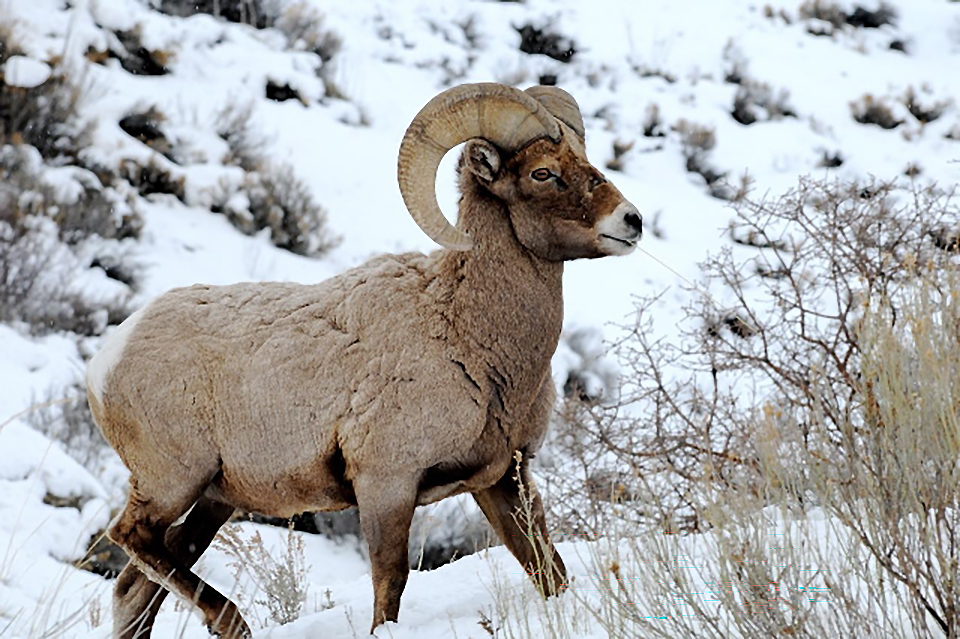
Pack your binoculars, camera and telephoto lens to spot (and photograph) some of the more commonly seen wildlife you may spot, such as prairie dogs, bighorn sheep, squirrels, and chipmunks. If you are up very early in the morning or very late in the evening, you might even enjoy a rare sighting of a black bear, fox, or bobcat, although these creatures tend to be cautious around humans.
Where are good places to see some of this wildlife? Hike the Dillon Pinnacles Trail and you stand a chance at seeing bighorn sheep. The Cimarron Canyon Rail Exhibit and Mesa Creek Trail on the far western side of the NRA are great places to spot deer and elk. You might also see these two species on Blue Mesa Reservoir’s north shore during winter and early spring.
Whatever wildlife you have a chance to come upon, keep a safe distance away from them to protect yourself and not stress the animal(s). Use your smartphone’s telephoto setting or your camera’s telephoto lens for good close ups.
Curecanti NRA offers a wide range of habitats (water, woods, sagebrush scrub, canyon) for birds living in or passing through the park. You can even download a species checklist of birds listing, among other things, whether they are native and how common they are in the area.
What birds might you see?
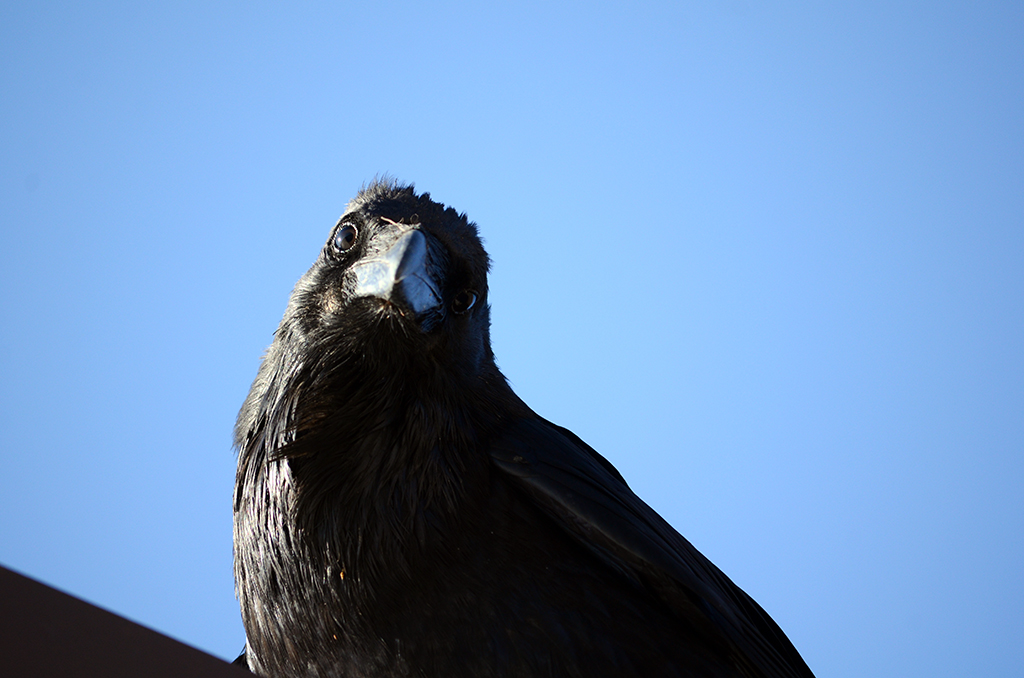
- Of the birds living year-round at Curecanti, there’s a high probability you will encounter a common raven or a bright blue Steller’s jay. Both are members of the Corvidae family and are quite clever (so keep your food in your pack and keep that pack zipped up).
- Mountain chickadees, black-billed magpies (related to jays) and canyon wrens are year-round residents, along with the Gunnison sage-grouse, a newly named species that gets get quite showy during their mating season in early April through early May.
- Wander the park’s forested areas and even if you don’t see the mountain chickadee, you will probably hear its “chick-a-dee” song. Look for magpies and the Gunnison sage-grouse in open areas and sagebrush scrub, while canyon wrens will most likely be in the NRA’s canyons, since they nest and feed on rocky ledges and in alcoves.
- Visit Curecanti during the summertime and you might spy the bright blue of a male mountain bluebird on the canyon rim or enjoy the swift swoop of a peregrine falcon homing in on its prey. These amazing birds can dive as fast as 200 mph (322 kph) and their balled-up claws can shatter their prey’s bones!
Note: from around March 15 to July 15, various portions of both Black Canyon of the Gunnison National Park and Curecanti National Recreation Area are closed to all public use to protect nesting peregrine falcons. If you are thinking about climbing in Black Canyon of the Gunnison National Park, check seasonal climbing closures there.
If you are planning a climb at Curecanti NRA, closures include:
- The Curecanti Needle and adjacent walls within one-half mile, including the tops of the adjacent walls extending 50 feet from the rim edge.
- Climbing routes along the north side of U.S. Highway 50, one-half mile east and west of mile marker 149.
Developed trails and overlooks are excluded from this closure.
Birdwatching Locations
Where are some great birdwatching places in the park, and what might you see?
- Hike along the Neversink Trail at the far eastern side of the NRA for robins, red-winged blackbirds, woodpeckers, and nuthatches.
- The watery landscape of Blue Mesa Reservoir is a great spot for herons, western grebes, mergansers, sandpipers, and gulls. During the spring and early winter, sandhill cranes migrate through the area.
- The sagebrush scrub around Blue Mesa Reservoir is home to the Gunnison sage-grouse, thrashers, sparrows, larks, and magpies and you stand a good chance of seeing these species as you hike the Dillon Pinnacles Trail.
- Check the view areas into the upper Black Canyon along CO Highway 92 to spot swifts, swallows, turkey vultures, and a host of other birds including mountain bluebirds, hawks, and peregrine falcons.
- By Rebecca Latson - March 26th, 2026 10:32am



