
Ninety-five percent of Biscayne National Park in South Florida is underwater. Approximately 90 percent of visitors enter the park by boat. With more than 250 square miles (647.5 square kilometers) of water to explore, boating, kayaking, and canoeing are extremely popular activities within this park.
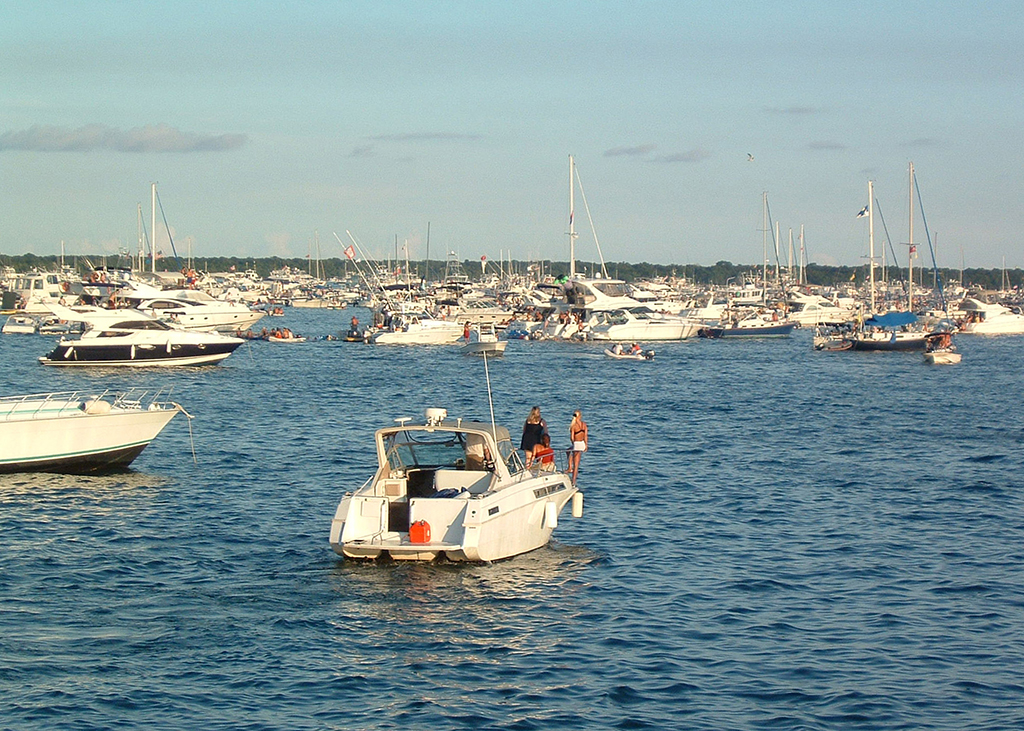
If you don’t own a boat but want to explore the park’s waterways on your own, you can rent a motorboat, pontoon, or yacht from one of many businesses in the Miami/Biscayne area. Websites such as Sailo or Boatsetter are good places to start. You can also run a browser search for Miami boat rentals.
Whether you own or rent a motorboat, Miami provides four marinas/boat ramps adjacent to the park:
- Homestead Bayfront - marina, swimming area and beach located just south of park headquarters at Convoy Point.
- Black Point - marina, bike path, canoe/kayak launch, fishing jetty and restaurant located on central and western border of park.
- Matheson Hammock - marina, swimming area, beach and restaurant located in northern vicinity of the park.
- Crandon - marina located on Key Biscayne near the northern border of the park. It is close to restaurants, Biscayne Channel, Stiltsville and is one of the best beaches in Miami.
Homestead Bayfront and Black Point marinas feed directly into Biscayne National Park.
For more information about boating in Biscayne, including suggestions, rules, and regulations to help make your exploration of the park’s waters safer and more enjoyable, click on the Boating link at the top of the page.
Note: Per park rules, personal watercraft like jet skis and waverunners are prohibited.
If you don’t feel like piloting the vessel yourself but still want to get out on the water for some fishing, scuba diving, or snorkeling, Biscayne National Park offers a list of authorized concessionaires offering charters, tours, and transportation within the park.
- Ace Diving - snorkeling and scuba diving charters, 786-241-3194 E-Mail
- Coastal Runners - Boat tours, SCUBA, Snorkeling, Fishing
- Cool Cruising - sightseeing boat tours and snorkeling charters, 305-714-2121 E-Mail
- Diver's Paradise - scuba diving and snorkeling charters, 305-361-3483 E-Mail
- Ocean Force Adventures - sightseeing boat tours - Stiltsville area, 305-372-3388 E-Mail
- South Dade Charters LLC- sightseeing and snorkeling charters, 786-277-4491
- South Florida Kiteboarding - kiteboarding, 786-7811558
Check out the Biscayne National Park Institute for a list of eco-friendly experiences including snorkeling a shipwreck and coral reefs and cruising places of interest like Boca Chita Key, Jones Lagoon, and Biscayne Bay.
For more on water safety, check out: Water Vessel Safety - Health & Safety
The Boating and Angling Guide to Biscayne Bay is an interactive map with information on resources and facilities to help you plan your trip.

Canoeing and kayaking are great ways to see a totally different perspective of Biscayne National Park. Paddling allows you to closely explore the mangrove forests and shallow bay waters near the shoreline that a motorboat might not be able to access. If you are an experienced kayaker, you can paddle seven miles (11.3 kilometers) out to Boca Chita or Elliott keys.
According to Park Staff:
Using the islands as a base camp will allow exploration of the lagoons, creeks and channels south of Caesar Creek. Many of these places are too shallow for motorized vessels, so canoeists and kayakers are likely to have these places to themselves.
Shallow Jones Lagoon is a great place to see rays, upside-down jellyfish, schools of fish and wading birds. Be careful not to disturb the bird rookery (stay at least 300 feet away).
Hurricane Creek provides spectacular canoe and kayak opportunities. The creek was named for the fact that old-timers would tie their boats here during big storms. It offers excellent snorkeling beneath mangrove roots to observe sea squirts, crabs, anemones and other marine life.
Launching your own paddlecraft is allowed from the designated area adjacent to the parking lot and is free of charge. Leaving a vehicle in the parking lot overnight is permitted when camping on one of the park islands, but please stop in the visitor center to fill out a free parking permit.
- Paddle with a buddy
- Have a float plan - let someone know where you’re going, when you plan on returning and who you’re with
- Check the weather - be prepared for wind, rain and unexpected weather
- Carry water, food and sun protection
- Paddle within your experience level
Didn’t bring your canoe or kayak with you? While canoe/kayak rentals are not offered at the park, you can still rent from local businesses near the park, or take a guided paddling tour with the Biscayne National Park Institute which offers daily tours ranging from $39 for a 1.5-hour tour of the mangroves to $209 for a 6-hour sailing, paddling, and snorkeling adventure.
- By Rebecca Latson - March 3rd, 2026 10:35am



