
With 95 percent of Biscayne National Park in South Florida consisting of water, it’s no surprise there are 600 documented fish species inhabiting the park’s saltwater depths. But wait – it’s not all just about fish.

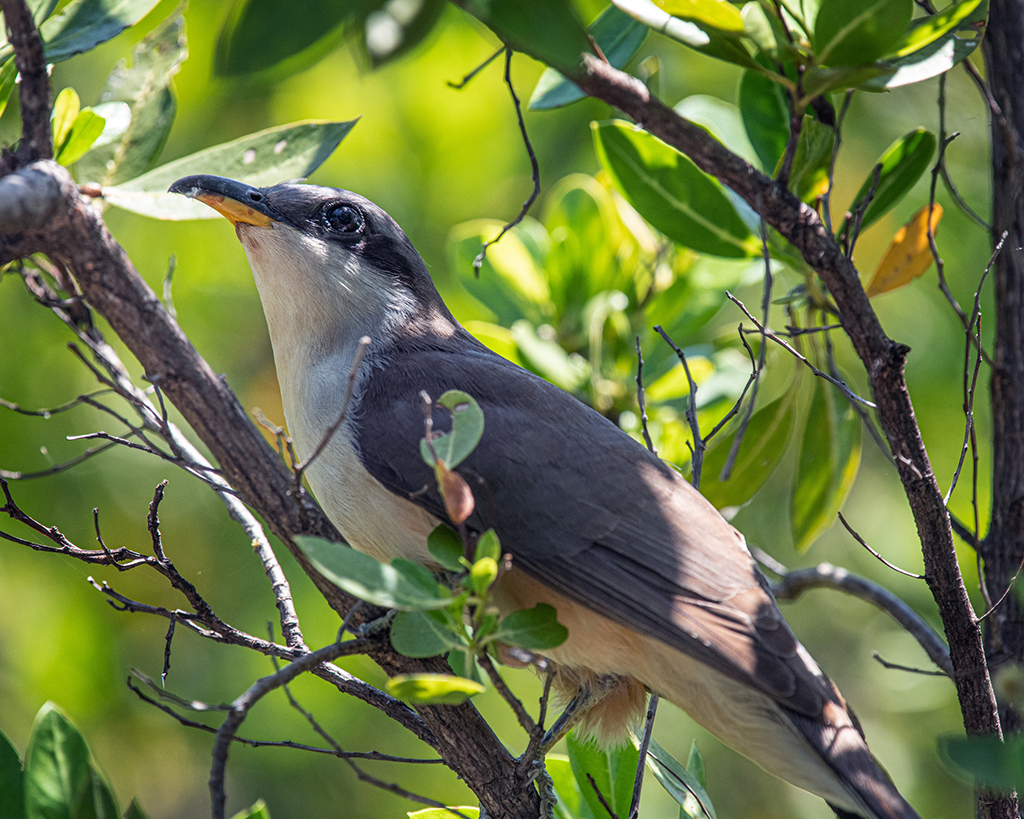
Depending upon which website you look at, there are anywhere between 110 and 214 bird species calling Biscayne their home or passing through on their way elsewhere. The park has a species list and suggestions of where to birdwatch along the Biscayne Birding Trail (so remember to pack your camera and telephoto lens).

There are even a small number of mammals, both terrestrial (deer, raccoons, rabbits, and rodents) and marine (manatee, bottlenose dolphin). Oh, and in addition to the fish, birds, and mammals, there are crustaceans, mollusks, corals, sponges, sea turtles, jellyfish, stingrays, and the American crocodile and American alligator. Biscayne National Park is unique in that both alligator and crocodile live there.
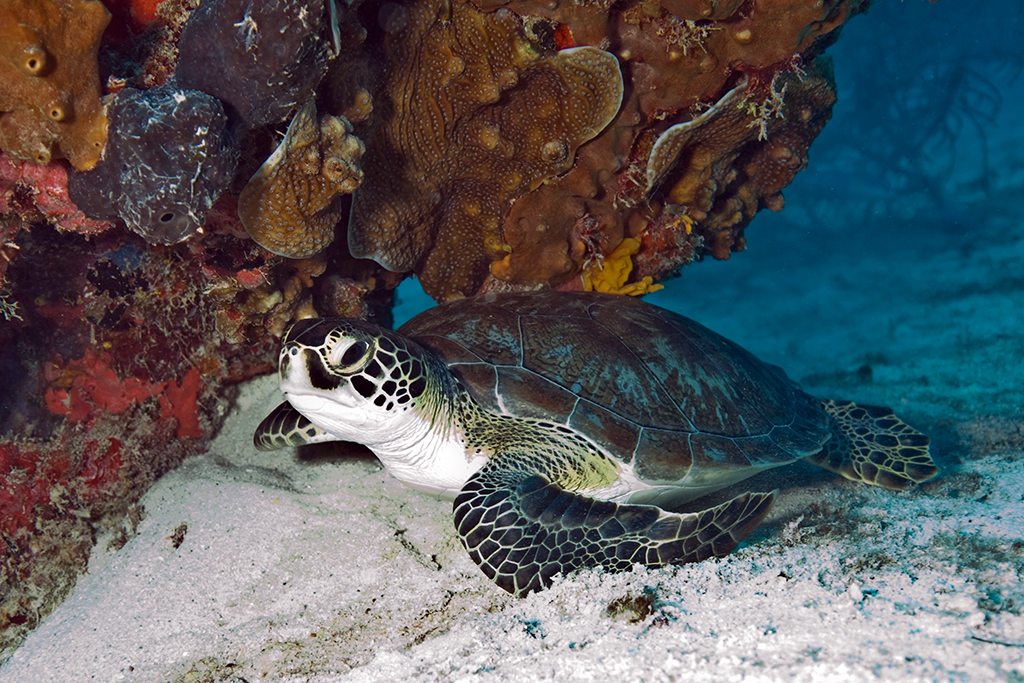
What are some common wildlife sightings in this national park? Take your scuba or snorkeling gear and plunge your whole self into the water to see parrotfish, angelfish, groupers, and even sharks! You might also spot the beautiful lionfish but steer clear of it since its spines are venomous.
According to the Florida National Parks Association, you can spot alligators and crocodiles Alligators and American crocodiles in the park particularly in the brackish, mangrove-lined shorelines near the Dante Fascell Visitor Center and in the southern portions of the park, such as near the Turkey Point power plant area.
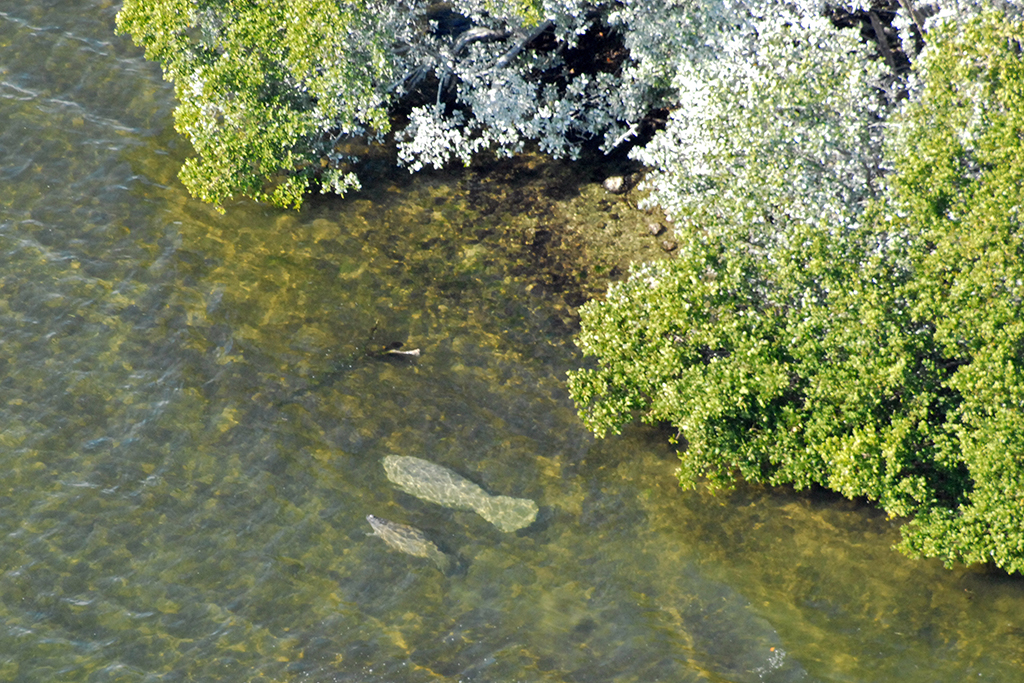
Visit this national park during the winter and it’s entirely possible to spot a gentle manatee in Biscayne Bay and around the mangroves.
Featured in the National Parks Traveler
National Parks Traveler Podcast Episode 286 | Save the Manatee
Manatees are some of the most unusual looking wildlife creatures that you’ll find in coastal units of the National Park System, places like Everglades National Park, Biscayne National Park and Cumberland Island National Seashore.
They are huge – the largest on record reportedly tipped the scales at 3500 pounds and was 13 feet long – and rather bulbous looking.
But manatees are also an endangered species under the Endangered Species Act. There are many threats to manatees along the Southeastern coastline of the United States, from power boaters to shrinking shorelines, and even climate change impacts.To listen to this podcast, head over to this page.
Of the wildlife, there are quite a few invasive species in the park, thanks to South Florida’s inviting warm climate. These species range from birds to reptiles to fish, and the most prominent (and destructive) invasive species in the park is the lionfish. This beautiful fish with no natural predator sports venomous spines and a voracious appetite which has devastated native fish within the park.

Featured In The National Parks Traveler
Biscayne National Park Staff Battle Lionfish
Lionfish. Impossibly beautiful, incredibly invasive.
Arriving on Florida's shores in the 20th century, the initial lionfish population invasion probably resulted from an accidental or intentional release from a hobbyist fish tank. Since then, their numbers have exploded, stretching across the Atlantic and Gulf coasts. Reef species, lionfish cruise these aquatic habitats for prey, both outcompeting native fish and gobbling up their future generations. Because lionfish are rarely caught on hook and line, they are most effectively removed from the environment by trained divers.
To read more of this article, head over to this page.
- By Rebecca Latson - March 4th, 2026 1:24pm



