

It’s Wildflower Wednesday, so for those of you who enjoy seeing the colors and varieties of wildflowers (and flowering trees) during your national park visits, Shenandoah National Park in Virginia is home to over 860 wildflower species constituting more than half of the park’s plant life. Wildflowers bloom from spring to autumn, but you’ll see the greatest variety during the spring, from late March to June.
Where can you spot wildflowers? Everywhere! You’ll spy diminutive purple violets and wild geraniums hiding within the grass along the trails and in the forests.

Wild geraniums also bloom along Skyline Drive and at the overlooks.

Pink azaleas grow alongside the road and within the forest.

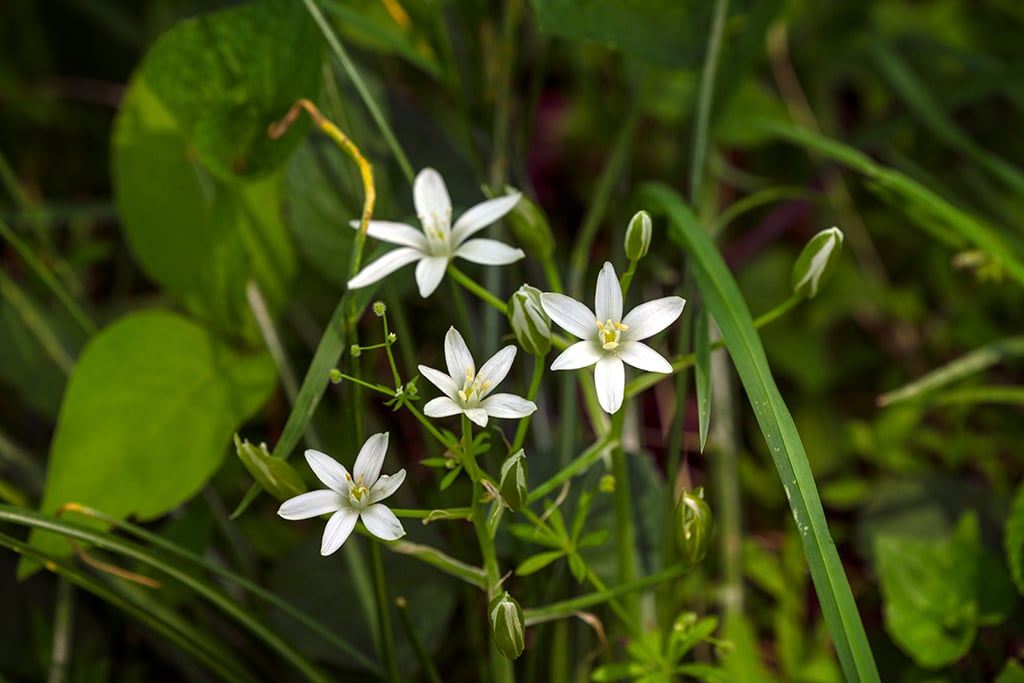
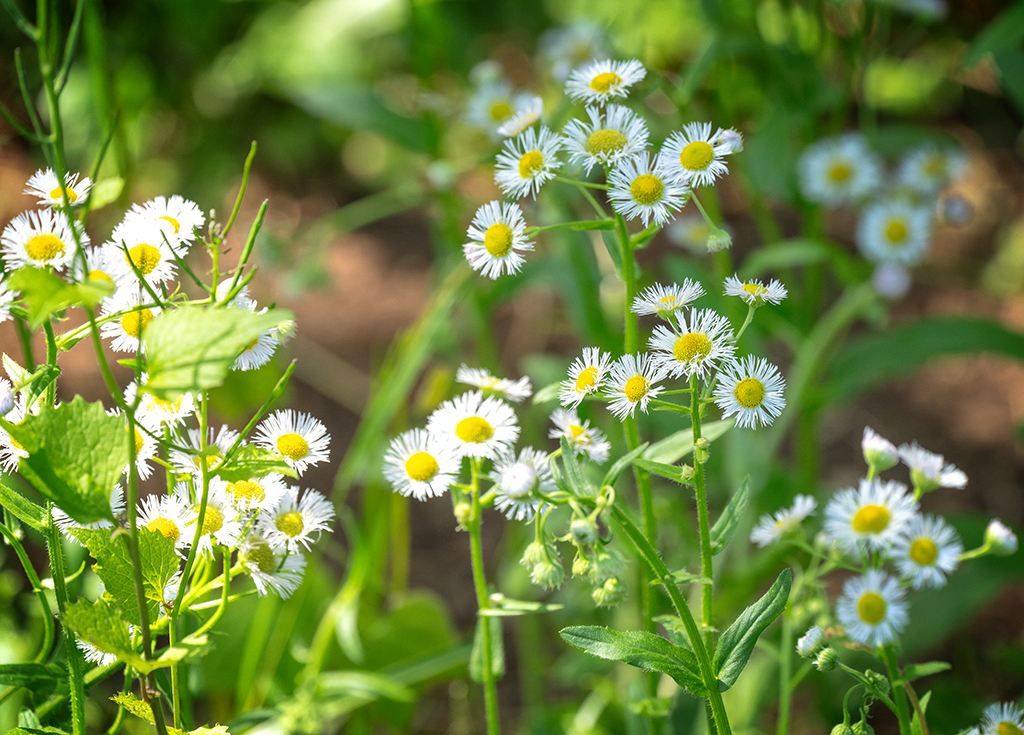
Look closely at the ground for anemone, star-of-Bethlehem, dead nettle, corn speedwell, birdey speedwell, fleabane, and pussytoe flowers.

It’s difficult to miss the host of bright yellow flowers everywhere, including Big Meadows: buttercup, ranunculus, common wintercress, ragwort, and wood sorrel, to name a few.

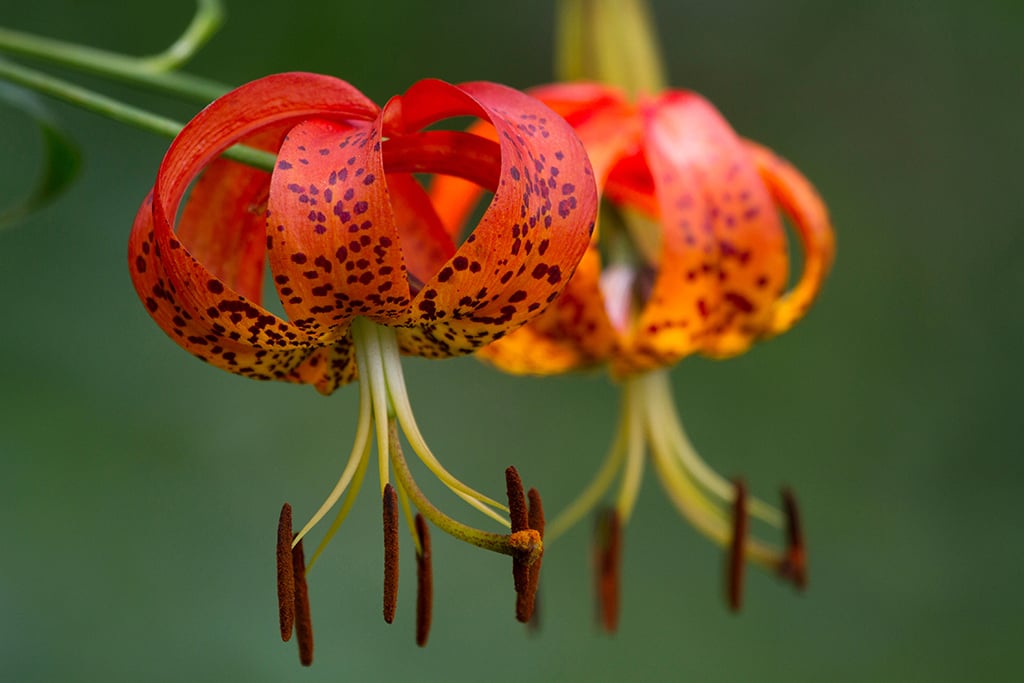
During the summer, you might see Turk’s cap lily, ghost pipe, sunflower, black-eyed Susan, and evening primrose blooms.

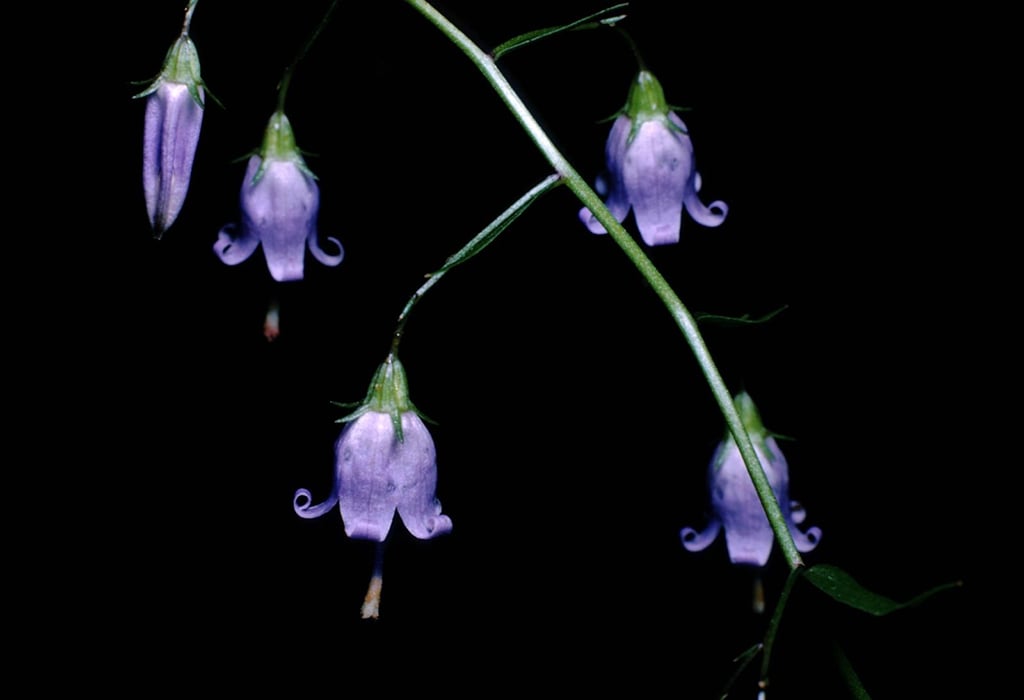
You’ll even see wildflowers in the fall (September and October) including goldenrod, aster, bellflower, and sneezeweed.
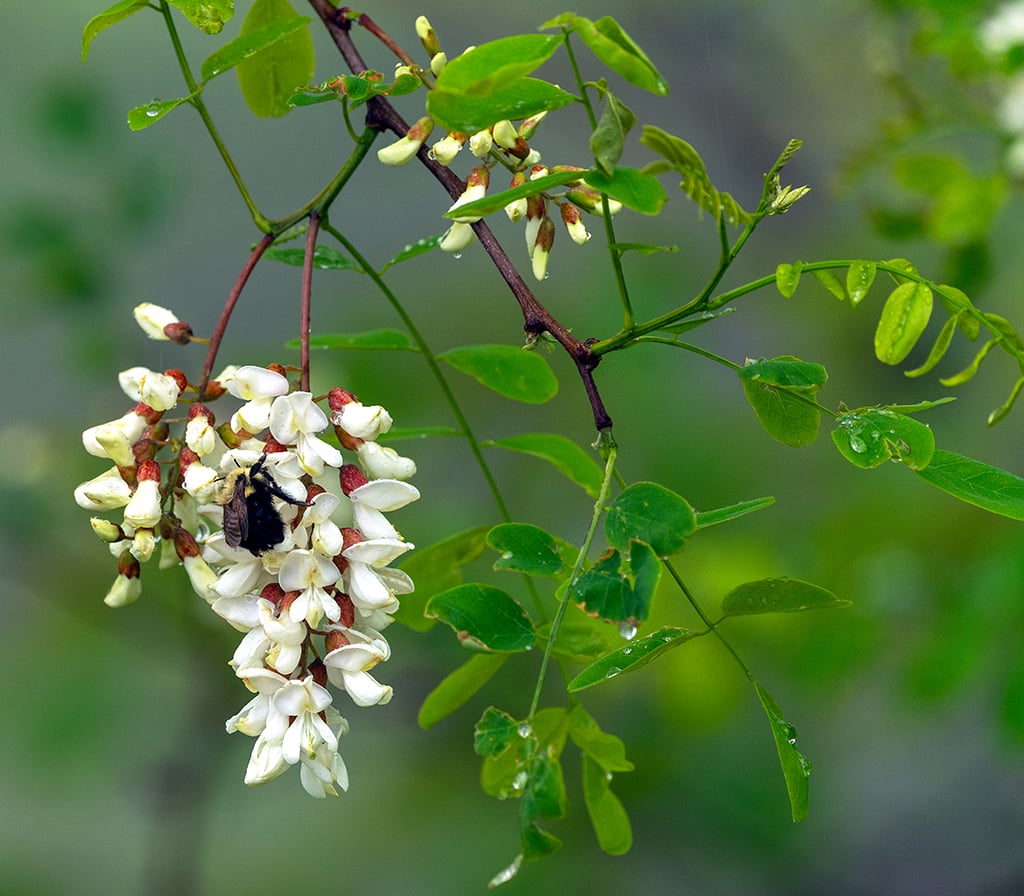
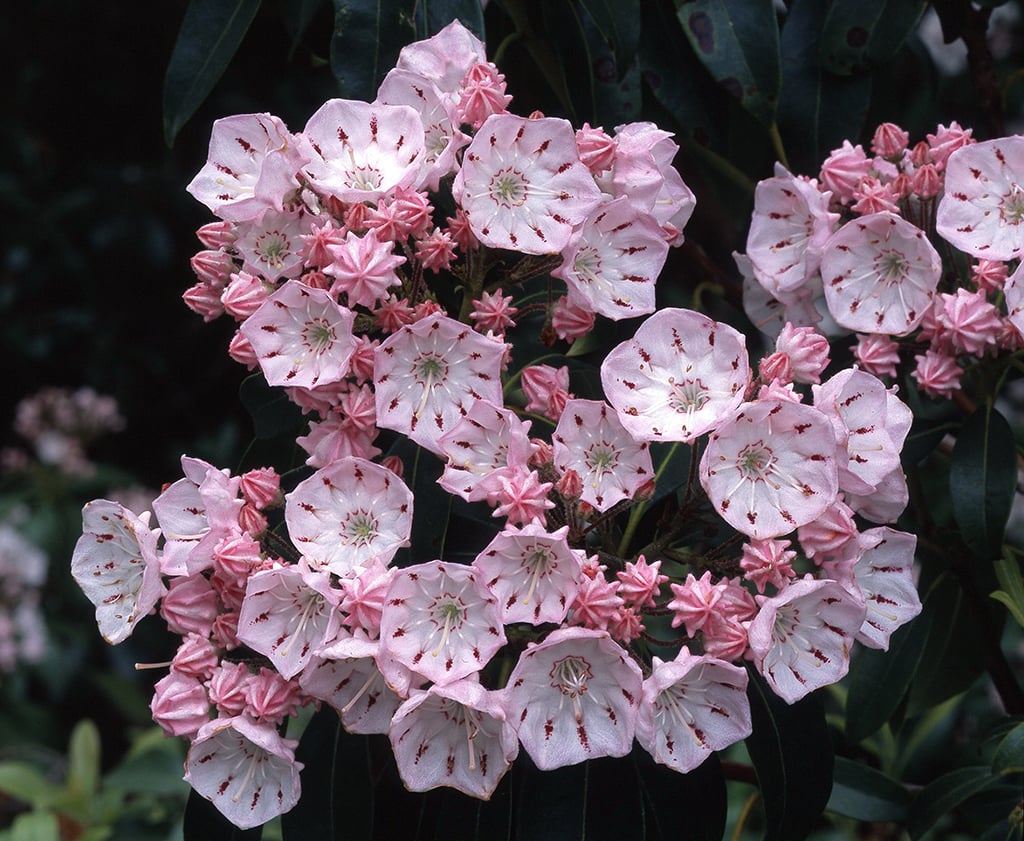
In addition to wildflower blooms, look up at the trees to see lovely black locust, tulip poplar, dogwood, and mountain laurel flowers.

The park’s wildflower webpage offers a vascular plant checklist for download. FYI, vascular plants possess a “circulatory system” transferring water, sugars, and nutrients, allowing the development of roots, stems, and leaves. Vascular plants include trees, shrubs, flowers, ferns, and conifers.
There’s also a wildflower calendar PDF file you can download, save, and print, listing the blooms you might see during whichever month you visit.
To help you identify what you see, Wildflowersearch.org possesses an extensive wildflower photo list. Also, the park’s visitor centers and waysides sell Wildflowers Of Shenandoah National Park in their book sections.
Photographing The Wildflowers

Smartphone users can get great close-ups of wildflowers either using your phone’s telephoto setting or simply holding your phone close to the bloom. SLR users don’t need a tripod or macro lens for beautiful wildflower close-ups with nice detail. A telephoto works well, along with a relatively “fast” camera and the “burst method” to capture those blossoms in the breeze.
What is a fast camera? What is the burst method?
Photography is filled with all sorts of camera lingo that can often be confusing. A fast camera refers to a digital camera with a high burst rate. Burst rate is measured in frames per second (fps) and represents the speed a camera captures an image when you have your finger pressed on the shutter button for a series of clicks (aka burst method). A camera that can shoot 10-30 frames per second is considered a fast camera. So, when you photograph a flower waving in the wind, keep that finger on the shutter button. To help increase your camera’s picture-taking speed, you might also want to increase the ISO (a number representing the amount of light sensitivity to your camera’s sensor). Bump up that ISO to anywhere from 640 to 3000, then you can increase your shutter speed.
Don’t forget to include the bees or butterflies landing on the flowers. They make for a nice added touch to your photo. Of course, bees and butterflies don’t like posing, so a fast camera and high ISO come in handy.
The only caveat to the burst method for a series of shots is that this takes up space on your memory card. Bring spare cards. Bring spare camera batteries too, for that matter.
While editing those wildflower photos on your computer, here’s a technique you can use for making the most of that composition: add a little vignetting to focus your viewer’s eyes on the flower.
Vignetting is that shaded border all around your photo subject. You’ll notice it especially in old-time images. Almost every photo editing software program (including the Instagram app) has a slider or tool for vignetting. Applied judiciously, it’s a nice way to brighten up composition’s subject by darkening the edges.

Stories about:
Story Categories:
A copy of National Parks Traveler's financial statements may be obtained by sending a stamped, self-addressed envelope to: National Parks Traveler, P.O. Box 980452, Park City, Utah 84098. National Parks Traveler was formed in the state of Utah for the purpose of informing and educating about national parks and protected areas.
Residents of the following states may obtain a copy of our financial and additional information as stated below:
- Florida: A COPY OF THE OFFICIAL REGISTRATION AND FINANCIAL INFORMATION FOR NATIONAL PARKS TRAVELER, (REGISTRATION NO. CH 51659), MAY BE OBTAINED FROM THE DIVISION OF CONSUMER SERVICES BY CALLING 800-435-7352 OR VISITING THEIR WEBSITE. REGISTRATION DOES NOT IMPLY ENDORSEMENT, APPROVAL, OR RECOMMENDATION BY THE STATE.
- Georgia: A full and fair description of the programs and financial statement summary of National Parks Traveler is available upon request at the office and phone number indicated above.
- Maryland: Documents and information submitted under the Maryland Solicitations Act are also available, for the cost of postage and copies, from the Secretary of State, State House, Annapolis, MD 21401 (410-974-5534).
- North Carolina: Financial information about this organization and a copy of its license are available from the State Solicitation Licensing Branch at 888-830-4989 or 919-807-2214. The license is not an endorsement by the State.
- Pennsylvania: The official registration and financial information of National Parks Traveler may be obtained from the Pennsylvania Department of State by calling 800-732-0999. Registration does not imply endorsement.
- Virginia: Financial statements are available from the Virginia Department of Agriculture and Consumer Services, 102 Governor Street, Richmond, Virginia 23219.
- Washington: National Parks Traveler is registered with Washington State’s Charities Program as required by law and additional information is available by calling 800-332-4483 or visiting www.sos.wa.gov/charities, or on file at Charities Division, Office of the Secretary of State, State of Washington, Olympia, WA 98504.
INN Member

The easiest way to explore RV-friendly National Park campgrounds.

Here’s the definitive guide to National Park System campgrounds where RVers can park their rigs.
Our app is packed with RVing- specific details on more than 250 campgrounds in more than 70 national parks.
You’ll also find stories about RVing in the parks, tips helpful if you’ve just recently become an RVer, and useful planning suggestions.

