
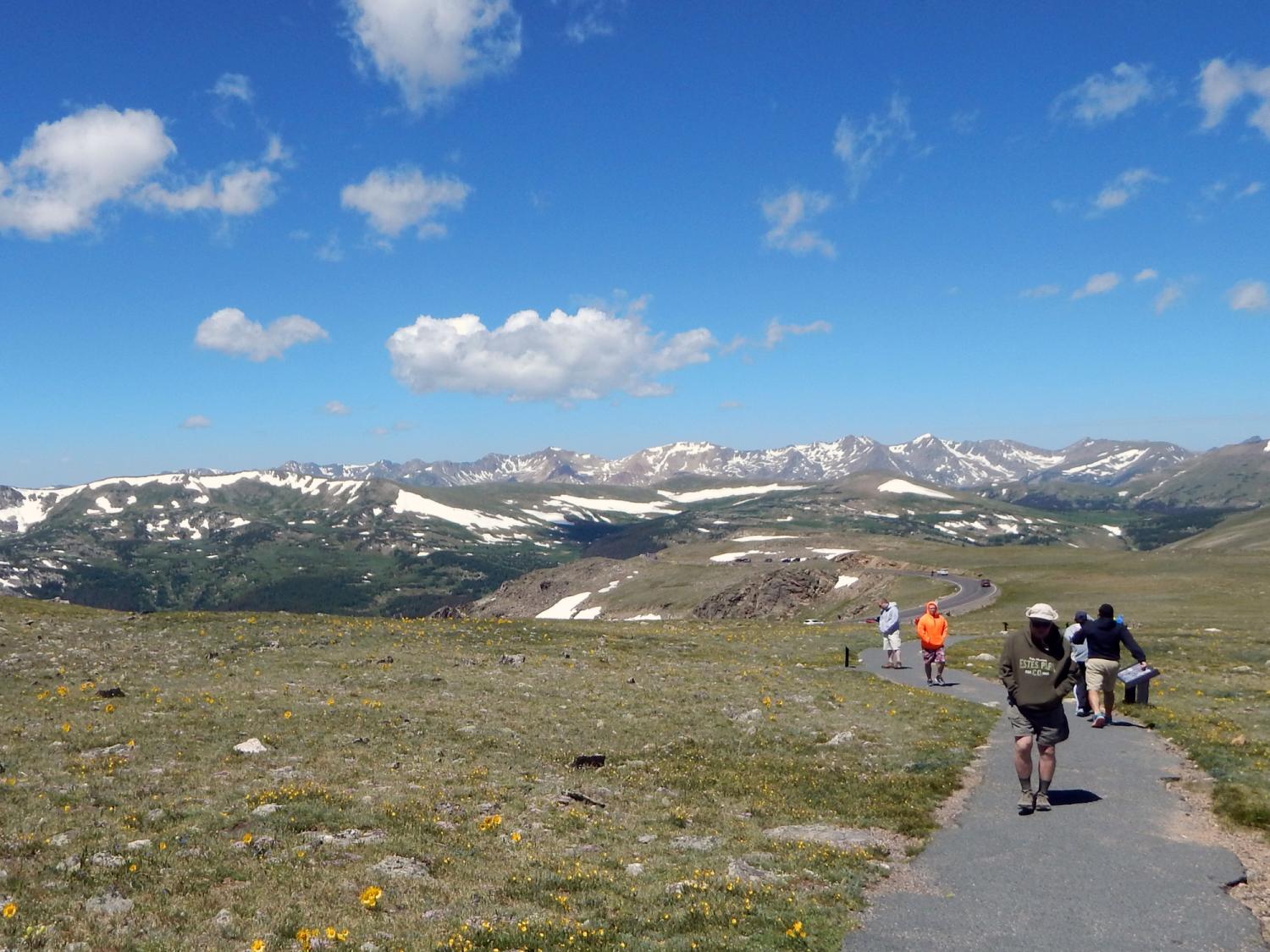
Day hikers and trail runners in Rocky Mountain National Park in Colorado are overwhelmingly underprepared, according to a 2026 research study (attached). Of the 586 day hikers and 68 trail runners that participated in the study, a minority of participants met the researchers’ definition of wilderness prepared, about half were altitude prepared, and approximately a quarter did not tell anyone where they were going or when they expected to return.
Between 2009 and 2011, there were an average of 229 rescue operations per year in the park, with the majority of those rescues being for day hikers. According to the study, “Many common mishaps in wilderness settings are easily preventable. For example, acute mountain sickness (AMS), dehydration, and respiratory distress can be prevented with acclimatization, access to proper hydration, and prophylaxis with medications such as acetazolamide and dexamethasone.”
The researchers point out that compared to day hikers, trail runners were more likely to be male, younger, and travel in smaller groups. Trail runners also tended to have more days of wilderness experience per year, self-reported higher wilderness experience levels, and were more likely to have previously experienced a wilderness injury/illness. Trail runners also reported going “significantly off trail” at much higher rates than day hikers.
For both day hikers and trail runners, more than 90 percent of participants reported completing their planned hike or run. Only 2.9 percent of hikers and 4.5 percent of runners experienced illness or injuries. The most common injuries were ankle injuries, and the most common illness was AMS.
The study found that significantly more trail runners reported experiencing safety concerns or “close calls” on the day they participated compared to day hikers, possibly due to their tendency to go off trail more often.
On average, day hiker groups reported carrying more first aid items than trail runners. Both groups reported carrying about the same number of essential items, with extra food and extra clothing being the most common essential items.
Nearly all participants carried a cell phone, though relatively few carried other forms of communication, such as a satellite phone or personal locator beacon. These forms of communication are important in areas of the park where there is limited cell service.
Those who reported “some/experienced” vs “none/little” were about 50 percent more likely to be wilderness prepared, according to the study. Also, having experienced a prior wilderness injury/illness was associated with higher odds of preparedness by about 80 percent, possibly because those who had experienced an injury tended to proceed with more caution on future trips.
“Wilderness day hiking and trail running are demanding activities, especially at the high altitude and rapidly changing weather of RMNP. The results of this study strengthen our understanding of wilderness trail runners and day hikers,” states the study. “Should an incident occur on the trail, the success of safely leaving the wilderness depends in large part on the equipment and knowledge of those involved.”

Stories about:
Story Categories:
A copy of National Parks Traveler's financial statements may be obtained by sending a stamped, self-addressed envelope to: National Parks Traveler, P.O. Box 980452, Park City, Utah 84098. National Parks Traveler was formed in the state of Utah for the purpose of informing and educating about national parks and protected areas.
Residents of the following states may obtain a copy of our financial and additional information as stated below:
- Florida: A COPY OF THE OFFICIAL REGISTRATION AND FINANCIAL INFORMATION FOR NATIONAL PARKS TRAVELER, (REGISTRATION NO. CH 51659), MAY BE OBTAINED FROM THE DIVISION OF CONSUMER SERVICES BY CALLING 800-435-7352 OR VISITING THEIR WEBSITE. REGISTRATION DOES NOT IMPLY ENDORSEMENT, APPROVAL, OR RECOMMENDATION BY THE STATE.
- Georgia: A full and fair description of the programs and financial statement summary of National Parks Traveler is available upon request at the office and phone number indicated above.
- Maryland: Documents and information submitted under the Maryland Solicitations Act are also available, for the cost of postage and copies, from the Secretary of State, State House, Annapolis, MD 21401 (410-974-5534).
- North Carolina: Financial information about this organization and a copy of its license are available from the State Solicitation Licensing Branch at 888-830-4989 or 919-807-2214. The license is not an endorsement by the State.
- Pennsylvania: The official registration and financial information of National Parks Traveler may be obtained from the Pennsylvania Department of State by calling 800-732-0999. Registration does not imply endorsement.
- Virginia: Financial statements are available from the Virginia Department of Agriculture and Consumer Services, 102 Governor Street, Richmond, Virginia 23219.
- Washington: National Parks Traveler is registered with Washington State’s Charities Program as required by law and additional information is available by calling 800-332-4483 or visiting www.sos.wa.gov/charities, or on file at Charities Division, Office of the Secretary of State, State of Washington, Olympia, WA 98504.


National parks and their natural resources belong to you. The National Parks Traveler works to ensure you know how these essential places are being cared for.
Sign Up For Our Weekly Newsletter
Unsubscribe at any time.
INN Member

The easiest way to explore RV-friendly National Park campgrounds.

Here’s the definitive guide to National Park System campgrounds where RVers can park their rigs.
Our app is packed with RVing- specific details on more than 250 campgrounds in more than 70 national parks.
You’ll also find stories about RVing in the parks, tips helpful if you’ve just recently become an RVer, and useful planning suggestions.

