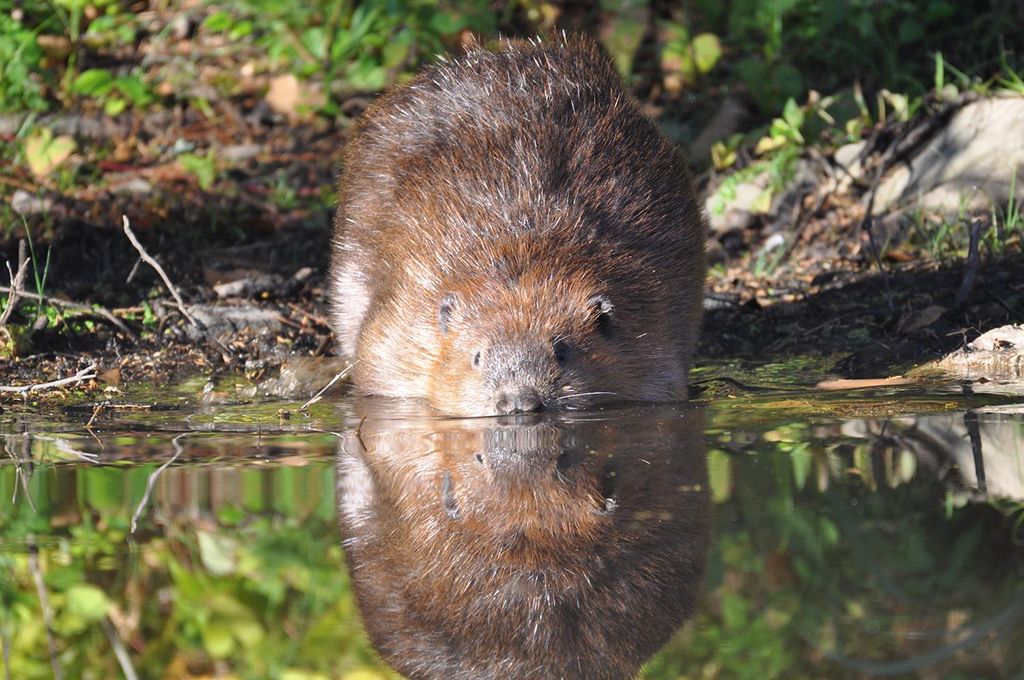
Back in December 2022, Traveler Founder and Editor-in-Chief Kurt Repanshek wrote about how wildlife – in this case beavers – are a keystone species, for birds, fish and especially wolves and moose that roam Voyageurs National Park in Minnesota, and how these busy beavers are creating habitat for all these wildlife species.
Featured In The National Parks Traveler
Under The Willows | Beavers As A Keystone Species At Voyageurs National Park
Bob DeGross, Voyageurs' superintendent, gives some historic perspective.
“The very name of the park and the purpose is tied to the beaver and its role in eventual development of Canada and the United States. The park was established to maintain a viewshed of what the European voyagers would have seen in the area. The European culture connected with the indigenous cultures along the Canadian border,” he said during a recent phone call. “Even though there was an insatiable appetite since the late 1600s into the 1800s, the species was not extirpated. They’ve always been in the landscape here. They are the engineer that changes the environment, and have helped against fires. It’s an amazing keystone species, that changes the environment, that all of the other species have adapted to it.”
And Voyageurs is a perfect habitat, if you’re a beaver. The park covers nearly a quarter of a million acres of cliffs and ridges, wetlands and marshes, streams and lakes and dense forests. Accessible primarily in the summer by boat, and in the winter by ski, visitors can fish, camp, and hike through this vast wilderness. Walleye, pike, and bass populate the four main lakes -- Rainy, Kabetogama, Namakan and Sand Point -- alongside moose, river otter, muskrats, wolves and beavers.
To read more of this Feature Story about an animal you may very well spot during your own visit to Voyageurs National Park, head on over to this page.
- By Rebecca Latson - July 14th, 2025 8:05am