
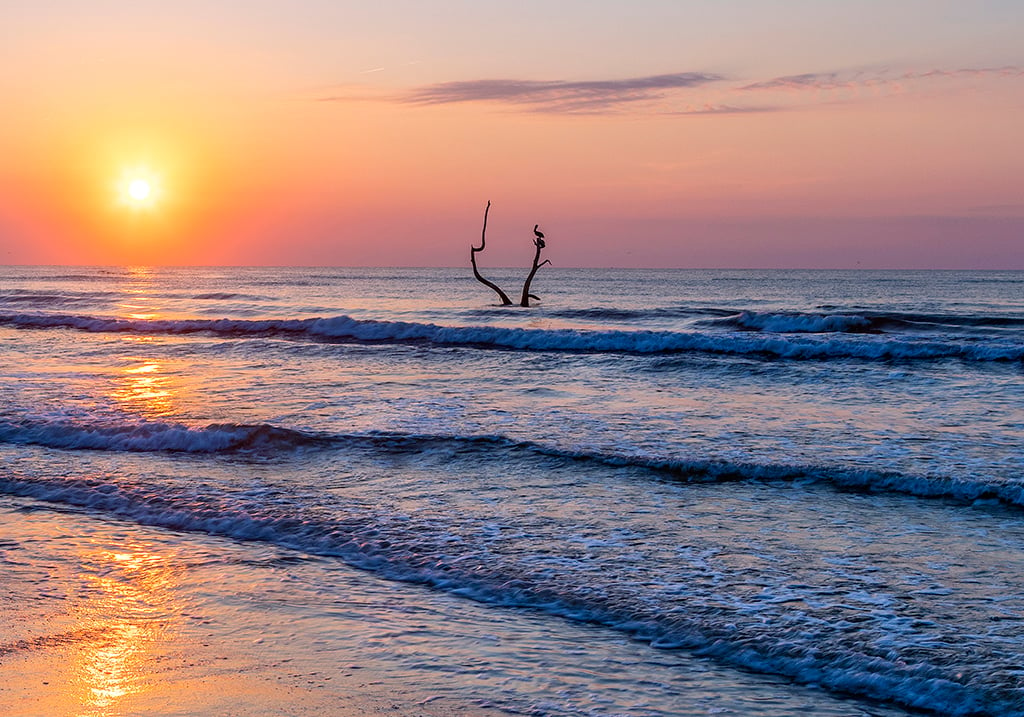
Padre Island National Seashore in Texas was made for sunrises. Established in 1962 to protect 66 miles (106.2 kilometers) of coastline along the Gulf of Mexico, this national seashore protects five species of sea turtle which nest or forage along the beaches and dunes, including one of the most endangered sea turtles in the world: the Kemp’s ridley.

Padre Island is also a birder’s paradise, with over 380 species calling this place home or migrating through the area during different times of year. Situated on the Central Flyway, a major migration route, this park is an important stopover for many birds.
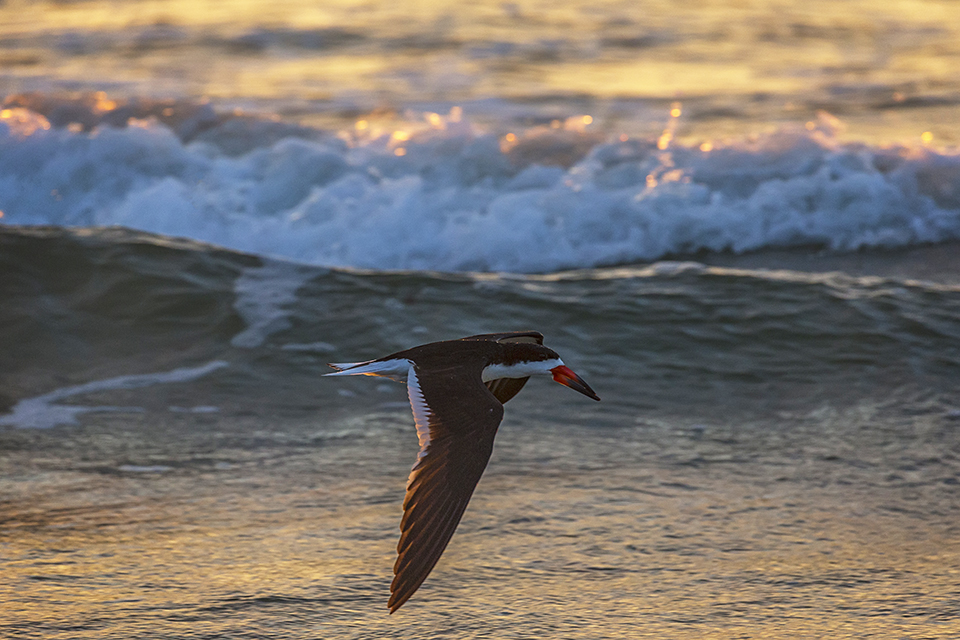
Wander Malaquite Beach near the park’s visitor center in the early morning and you’ll spot black skimmers, brown pelicans, sandhill cranes, and willets. Explore the dune areas and prairies and you might spot caracaras, warblers, and many other songbirds. Laguna Madre and tidal mudflats are perfect spots to spy egrets, ibis, curlews, and ducks.
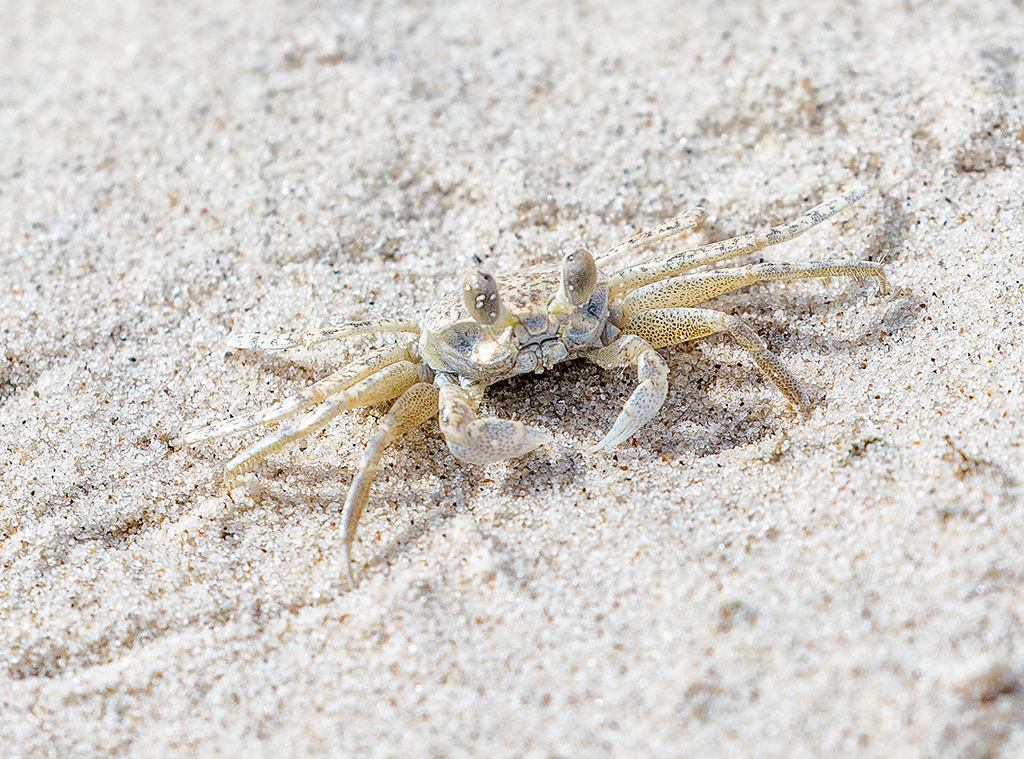
In addition to the birds, a proliferation of wildlife exists within the boundaries of this national seashore, including coyotes, deer, rattlesnakes, ghost crabs, 149 species of fish, and a multitude of insects, as well as scorpions and giant centipedes measuring 6.5-8 inches (16.5-20.3 centimeters).
During 2024, approximately 515,000 visitors traveled to this national seashore to camp, beachcomb, fish, boat, horseback ride, scuba, snorkel, windsurf, swim, attend a Kemp’s ridley hatchling release, and explore remote areas of the park by driving down the beach (4-wheel drive recommended). It’s an especially popular location for students enjoying their annual Spring Break (which means it can get quite crowded during certain times of the year).
There’s plenty of history to be learned at Padre Island. At various times, four different nations claimed this landscape: Spain, Mexico, the Republic of Texas, and the United States. What is now the national seashore was once used almost solely for ranching. During World War II to 1960, a Navy bombing range existed on the northern section of the island. Tourism sprang up around the early 1920s to create the town of South Padre Island as well as this national seashore. Oil and gas exploration and exploitation began in the 1950's and you can see offshore oil rigs from Malaquite Beach.
It's not all about the beach at Padre Island, however. Most of the island’s terrain consists of coastal prairie interspersed with ephemeral marshes and dune fields. The coastal prairie is a type of tallgrass prairie similar to the tallgrass prairie of the Midwest United States, and it’s where you will find year-round color from such wildflowers as the scarlet pea, railroad vine, sunflower, and prickly pear cactus, to name a few of the 400 species of flowering plants blooming throughout the year.
If you don’t feel like primitive camping on the beach or at this national seashore’s two developed campgrounds, there’s plenty of brick-and-mortar lodging within the towns of South Padre Island and nearby Corpus Christi, where you will also find a variety of dining options.
Side excursions around the area include Port Aransas National Wildlife Refuge, Mustang Island State Park, the Texas State Aquarium, Port Isabel Lighthouse State Historic Site, Brazos Island State Park, and the historic, bustling city of San Antonio.
Featured In The National Parks Traveler
Seabeaning Among Marine Debris At Padre Island National Seashore
The first time that I went seabeaning, I triumphantly scooped up what looked like a shrivelled brain from a national seashore that was strewn with plastic trash. I turned the fist-sized oddity over in my hands, admiring how the deep grooves on its bumpy brown surface created brain-like patterns.
That brain bean — also known as brainfruit, brain seed, monkey’s brain or Donovan’s brain — was neither brain nor bean but a well-traveled and wizened fruit. Whatever the name, it was key to understanding ocean currents and marine debris.
To read more, head over to this page.
Hatch And Release At Padre Island National Seashore
“Do exactly as I tell you. Wear dark clothing. Don’t wear anything white. And wear sturdy shoes you won’t mind getting wet. Don’t wear flip-flops because you’ll lose one or both in the water, and you won’t be able to move to retrieve them.”
Dr. Donna Shaver stressed these specifics to me after granting me and my cameras permission to be within the roped-off sand strip during a public release of Kemp’s ridley sea turtle hatchlings at Padre Island National Seashore in Texas.
To read more, head over to this page.
National Parks Traveler Podcast Episode 163: Exploring Padre Island National Seashore
The Traveler’s Lynn Riddick takes an in-depth look at Padre Island National Seashore and finds that not only is it a popular destination for campers, windsurfers, and anglers, but history buffs might find intrigue in the remnants of early settlements, cattle ranches and military installations found there.
To listen to this podcast, head over to this page.
Traveler's Choice For: beachcombing, birding, sunrises, sea turtles
Stories about:
Story Categories:
A copy of National Parks Traveler's financial statements may be obtained by sending a stamped, self-addressed envelope to: National Parks Traveler, P.O. Box 980452, Park City, Utah 84098. National Parks Traveler was formed in the state of Utah for the purpose of informing and educating about national parks and protected areas.
Residents of the following states may obtain a copy of our financial and additional information as stated below:
- Florida: A COPY OF THE OFFICIAL REGISTRATION AND FINANCIAL INFORMATION FOR NATIONAL PARKS TRAVELER, (REGISTRATION NO. CH 51659), MAY BE OBTAINED FROM THE DIVISION OF CONSUMER SERVICES BY CALLING 800-435-7352 OR VISITING THEIR WEBSITE. REGISTRATION DOES NOT IMPLY ENDORSEMENT, APPROVAL, OR RECOMMENDATION BY THE STATE.
- Georgia: A full and fair description of the programs and financial statement summary of National Parks Traveler is available upon request at the office and phone number indicated above.
- Maryland: Documents and information submitted under the Maryland Solicitations Act are also available, for the cost of postage and copies, from the Secretary of State, State House, Annapolis, MD 21401 (410-974-5534).
- North Carolina: Financial information about this organization and a copy of its license are available from the State Solicitation Licensing Branch at 888-830-4989 or 919-807-2214. The license is not an endorsement by the State.
- Pennsylvania: The official registration and financial information of National Parks Traveler may be obtained from the Pennsylvania Department of State by calling 800-732-0999. Registration does not imply endorsement.
- Virginia: Financial statements are available from the Virginia Department of Agriculture and Consumer Services, 102 Governor Street, Richmond, Virginia 23219.
- Washington: National Parks Traveler is registered with Washington State’s Charities Program as required by law and additional information is available by calling 800-332-4483 or visiting www.sos.wa.gov/charities, or on file at Charities Division, Office of the Secretary of State, State of Washington, Olympia, WA 98504.


National parks and their natural resources belong to you. The National Parks Traveler works to ensure you know how these essential places are being cared for.
Sign Up For Our Weekly Newsletter
Unsubscribe at any time.
INN Member

The easiest way to explore RV-friendly National Park campgrounds.

Here’s the definitive guide to National Park System campgrounds where RVers can park their rigs.
Our app is packed with RVing- specific details on more than 250 campgrounds in more than 70 national parks.
You’ll also find stories about RVing in the parks, tips helpful if you’ve just recently become an RVer, and useful planning suggestions.

