Where in the National Park System do you want to visit? Traveler's "A Day In The Park" series offers overviews of the units of the park system. Check back periodically to see which units have been added.
Acadia National Park, Maine
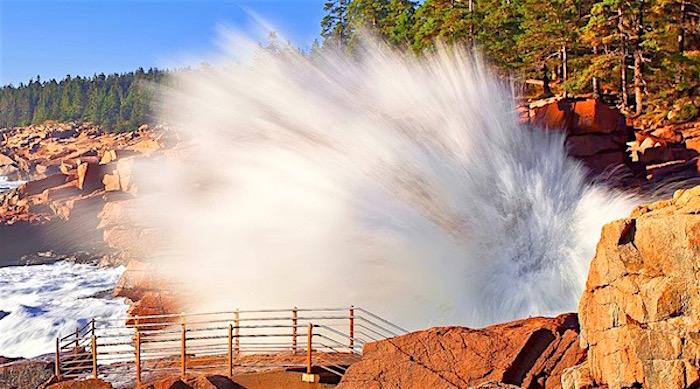
"Raw, rugged, and surf-splashed" well define Acadia National Park, which at anchor in the Atlantic just off Maine's coast quite easily could also be described as a Yankee blue blood of the National Park System.
Arches National Park, Utah
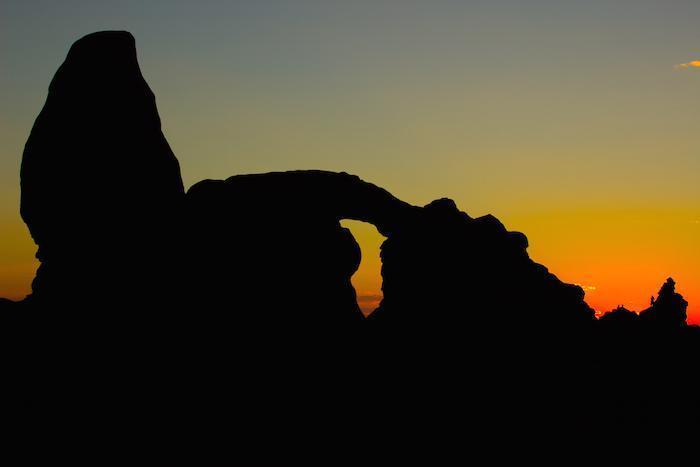
Arches National Park is one of the world's, not just one of the United States', most incredible national parks.
Badlands National Park, South Dakota

Eerily eroded "badlands" -- what other word would you use to describe these naked hills? -- are front and center in Badlands National Park, evidence of the harsh environment and the poor soils. But there's more geology to the Badlands than just its namesake hills.
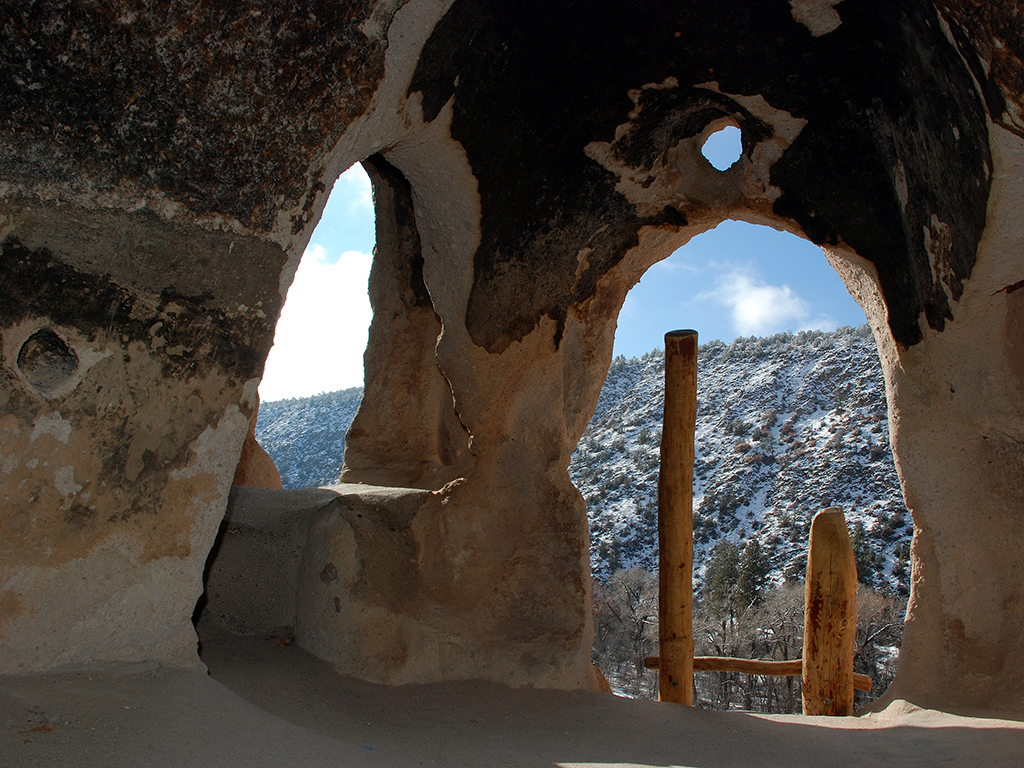
Bandelier National Monument
Big Bend National Park, Texas

"Big" is a great descriptor for Big Bend National Park, where the park's more than 801,163 acres range from desert lands to mountain peaks and are rimmed on the south side by one of the country's great rivers.
Big Hole National Battlefield, Montana
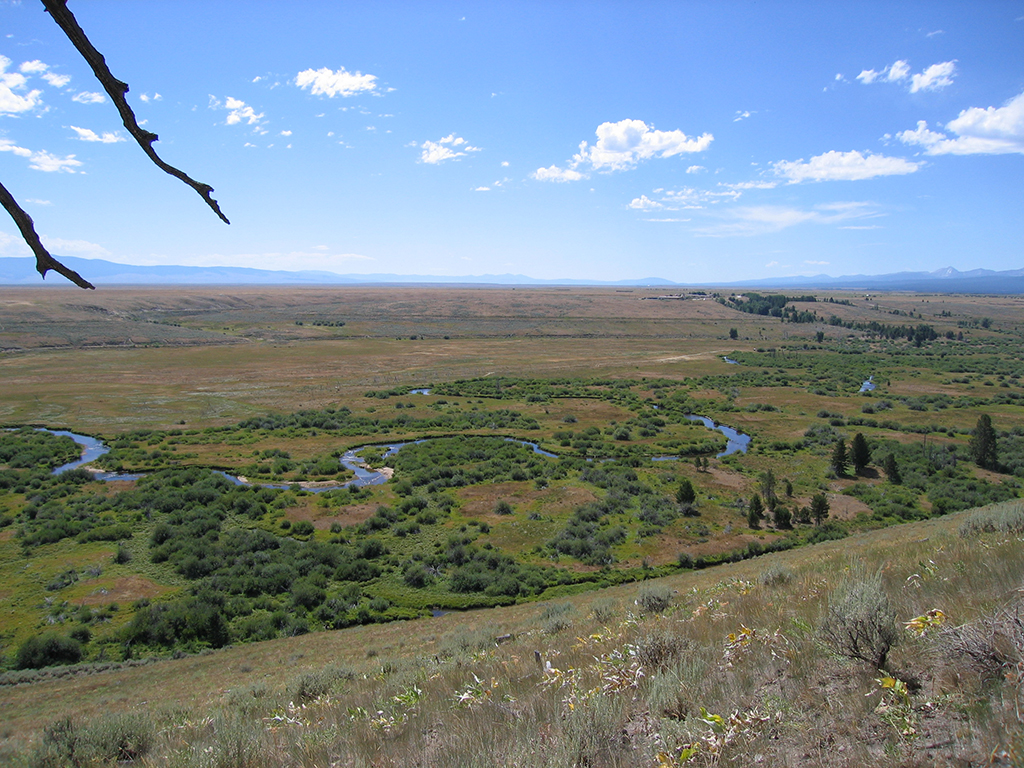
Many units of the National Park System protect, preserve, and commemorate the people and cultures of significant historical events. Many units are also parts of other units. For example, Big Hole National Battlefield in Montana is not only a park unit all unto itself, but is also part of the larger Nez Perce National Historical Park, consisting of 38 locations in five states.
Biscayne National Park, Florida
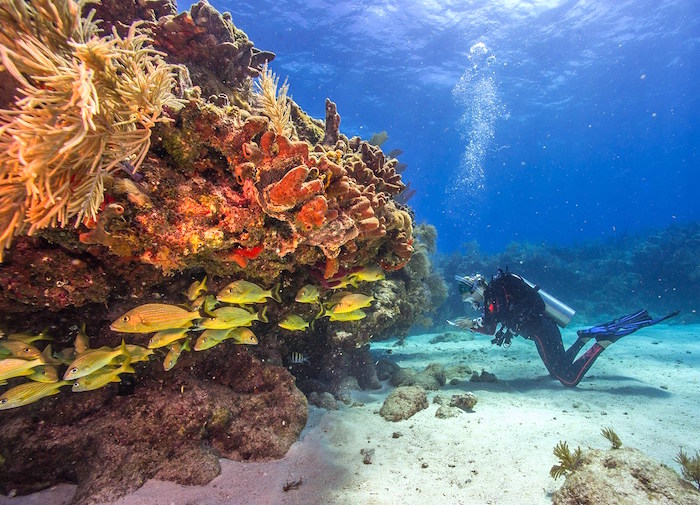
A subtropical wilderness surrounded by urbanized Florida, Biscayne National Park is a tantalizing water world inviting you to get wet.
Black Canyon of the Gunnison National Park, Colorado
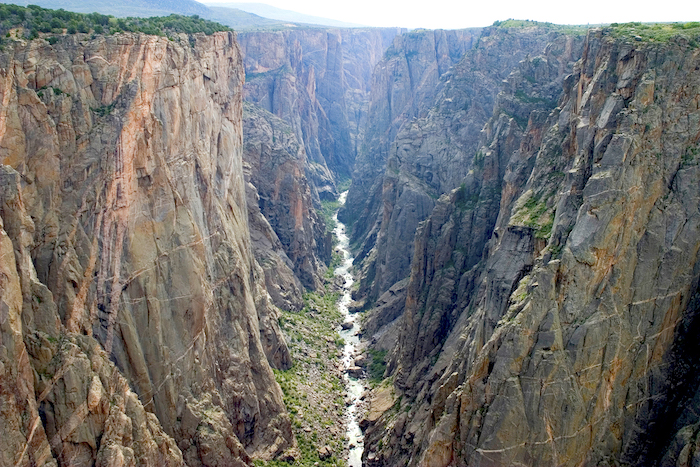
A dark and scary place? Some might think that of Black Canyon of the Gunnison National Park, a place where the sun's rays only reach the bottom of the canyon at midday, and where the cliffs are so steep and intimidating that few climbers seem up to the challenge.
Bryce Canyon National Park, Utah
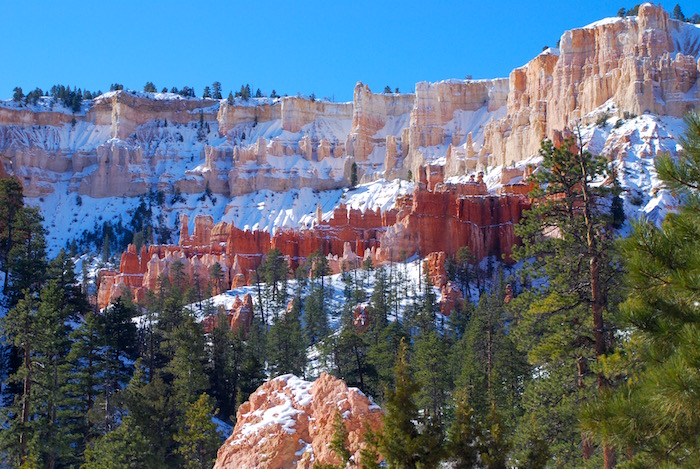
Southern Utah's national parks all are red-rock wonders. Zion National Park features towering cliffs of stone. Arches National Park showcases a one-of-its-kind collection of stony arches and windows. Canyonlands National Park is a maze of canyons, and Capitol Reef National Park offers a sprawling rockscape.
Canyon de Chelly National Monument, Arizona

Canyon de Chelly (pronounced duh SHAY) is home to the Diné (Navajo for “the People”) who have lived in these canyons for almost 5,000 years.
Canyonlands National Park, Utah
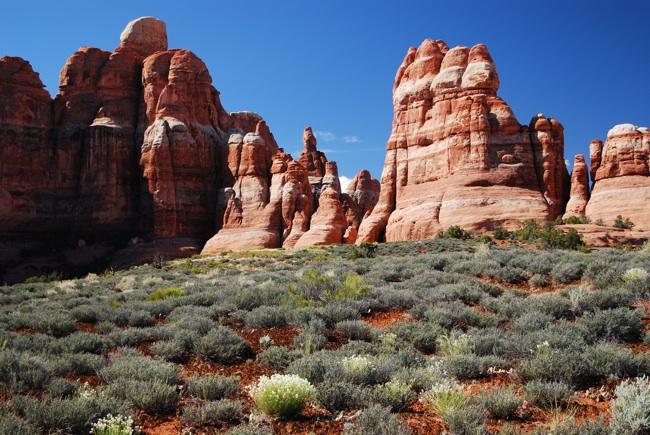
One of the most fascinating parks in the National Park System, at least geologically, is Canyonlands National Park in southeastern Utah. Baked by time like some multi-layer geologic tort, Canyonlands features a landscape cut by canyons, rumpled by upthrusts, dimpled by grabens, and even pockmarked, some believe, by ancient asteroids.
Cape Hatteras National Seashore, North Carolina
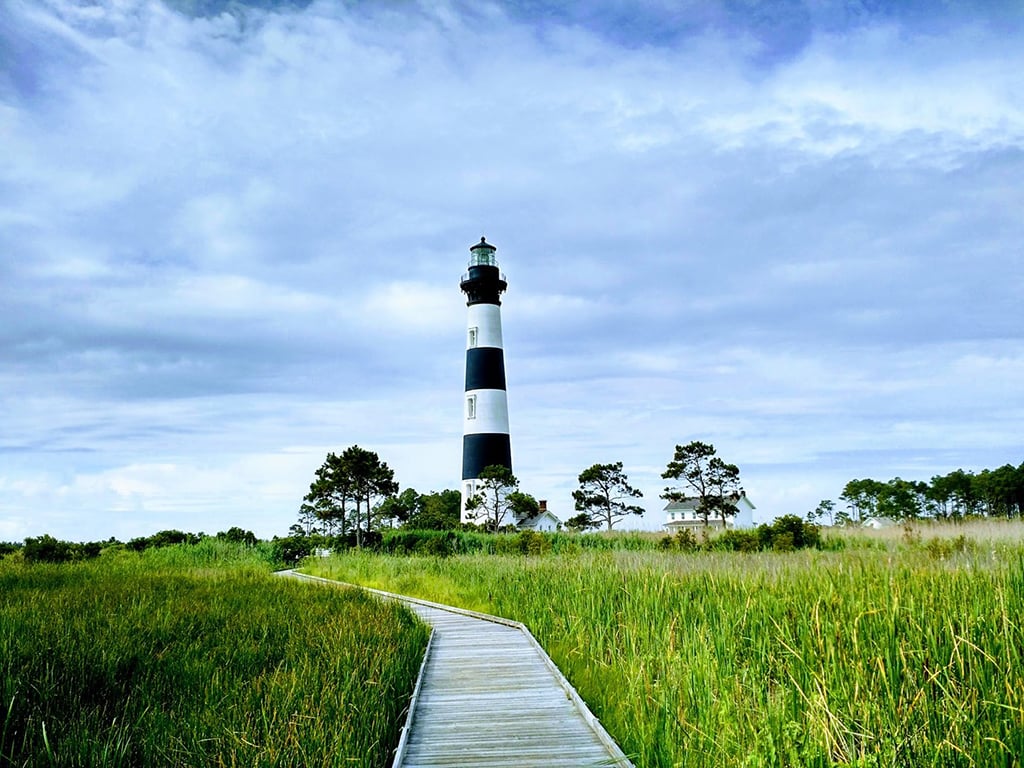
Arrrr Matey! Visit Cape Hatteras National Seashore along the Outer Banks of North Carolina and ye’ll be walking in the footsteps of Native Americans, enslaved peoples, lighthouse keepers, farmers, and even pirates like Edward Teach, aka Blackbeard.
Capitol Reef National Park, Utah
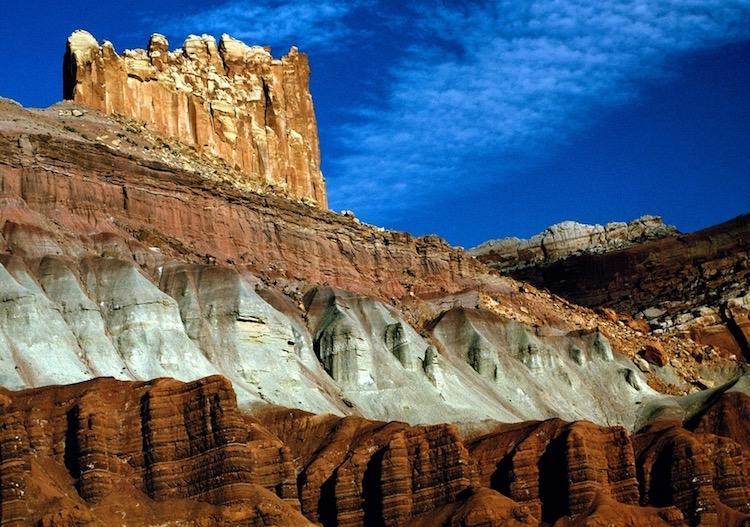
There are five national parks in Utah, and Capitol Reef National Park very likely is the one you've never heard about, but the one you definitely should put on your bucket list. Why? Because seemingly few people have discovered it, and it's not a next door neighbor of any of the other four. And if you like rugged and wild Western landscape that's carved out of the Colorado Plateau, this is the place to head.
Carlsbad Caverns National Park, New Mexico

As beautiful as above-ground landscapes are in the National Park System, if you head underground you'll find stunning vistas that will leave you breathless. Carlsbad Caverns National Park in New Mexico is, arguably, the biggest cave draw in the park system, and perhaps the most beautiful.
Cedar Breaks National Monument, Utah

Cedar Breaks National Monument offers a smaller, more intimate view of colorful rock formations with steeper, deeper cliffs than at nearby Bryce Canyon.
Channel Islands National Park, California
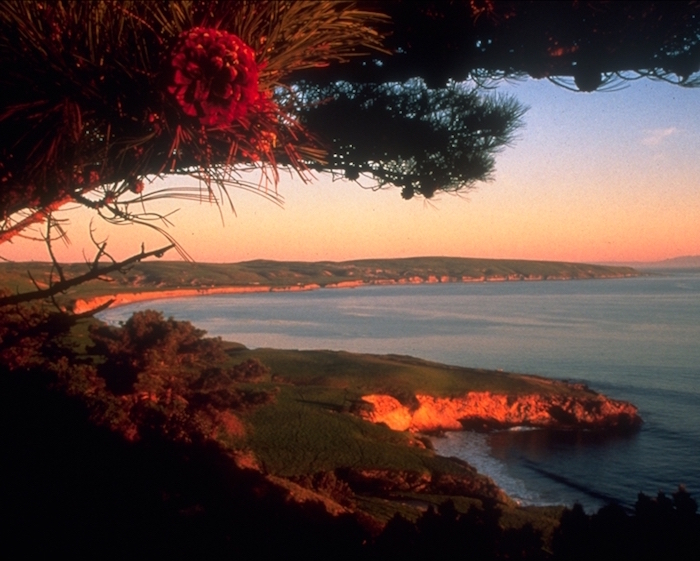
Forests of kelp waving to and fro in the currents. Archaeological and paleontological surprises. An incredible assemblage of wildlife that has the area known as the 'Galapagos of the North'. These are just some of the reasons to explore Channel Islands National Park off California's coast.
City Of Rocks National Reserve, Idaho

An interesting unit of the National Park System located in southern Idaho not far from the Utah border, the City of Rocks is unique in that it's part of the park system yet managed by the state of Idaho.
Congaree National Park, South Carolina

The absence of human sounds was mesmerizing. Insects buzzed, and birds sang, their sounds rising and falling as they drew near and flew off. One sound we didn't hear was the tell-tale drumming on tree bark of Ivory-billed woodpeckers, though some think the birds thought extinct might exist deep within Congaree National Park in South Carolina.
Crater Lake National Park, Oregon
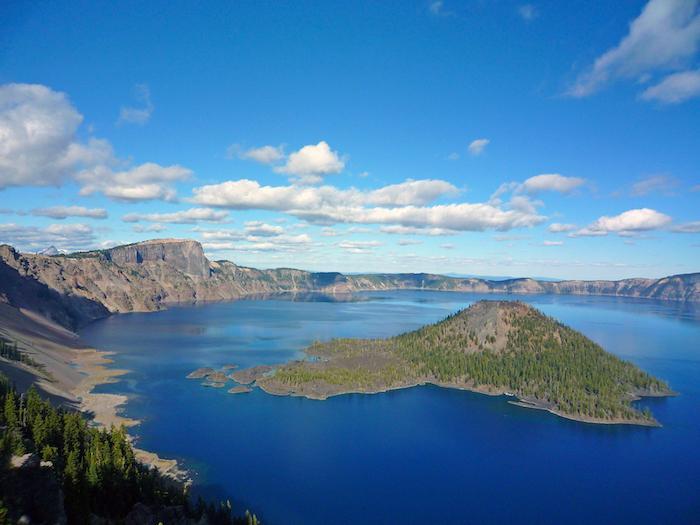
A volcanic crater within a volcanic crater is just one the unique aspects of Crater Lake National Park, a park that has a lake at its heart but which also tracks the fascinating geology of volcanism. Wizard Island, of course, is the volcanic crater within the much, much, much larger crater that holds this park's namesake lake.
Curecanti National Recreation Area

Cuyahoga Valley National Park, Ohio

Surrounded by thickly settled areas, and crisscrossed by interstate highways, Cuyahoga Valley National Park in Ohio nevertheless manages to provide a sanctuary of nature that can be a salve for the soul for those trying to find a break from today's hectic world.
Death Valley National Park, California/Nevada
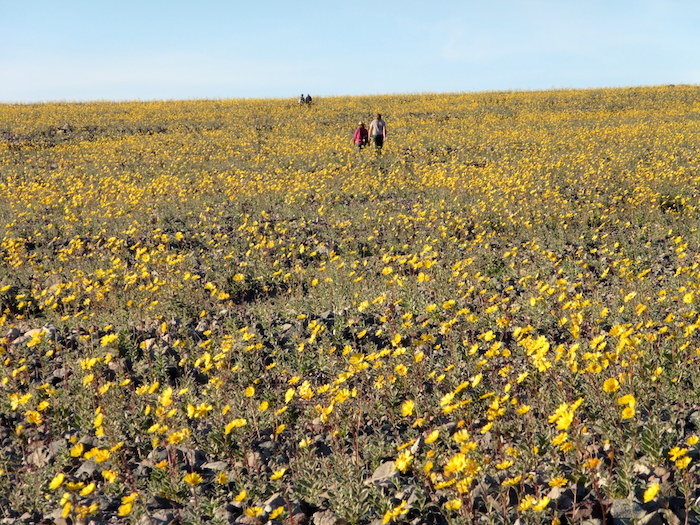
Death Valley National Park can take a little getting used to. It can be ridiculously hot, incredibly arid, and seemingly devoid of much to see or do. But if you spend a little time in the park and give it a chance...
Delaware Water Gap National Recreation Area, New Jersey/Pennsylvania

At Delaware Water Gap National Recreation Area (NRA), you can spend a day exploring nature along a 40-mile (64.4-kilometer) gap formed by the Delaware River winding through a gentle, rounded mountain ridge.
Denali National Park and Preserve, Alaska

Six million wild acres, a mountain that tests the world's best mountaineers, and a landscape that can reach deep into your heart with its character are phrases that help define Denali National Park and Preserve, but it can take a lifetime to truly understand and appreciate this place.
Devils Postpile National Monument
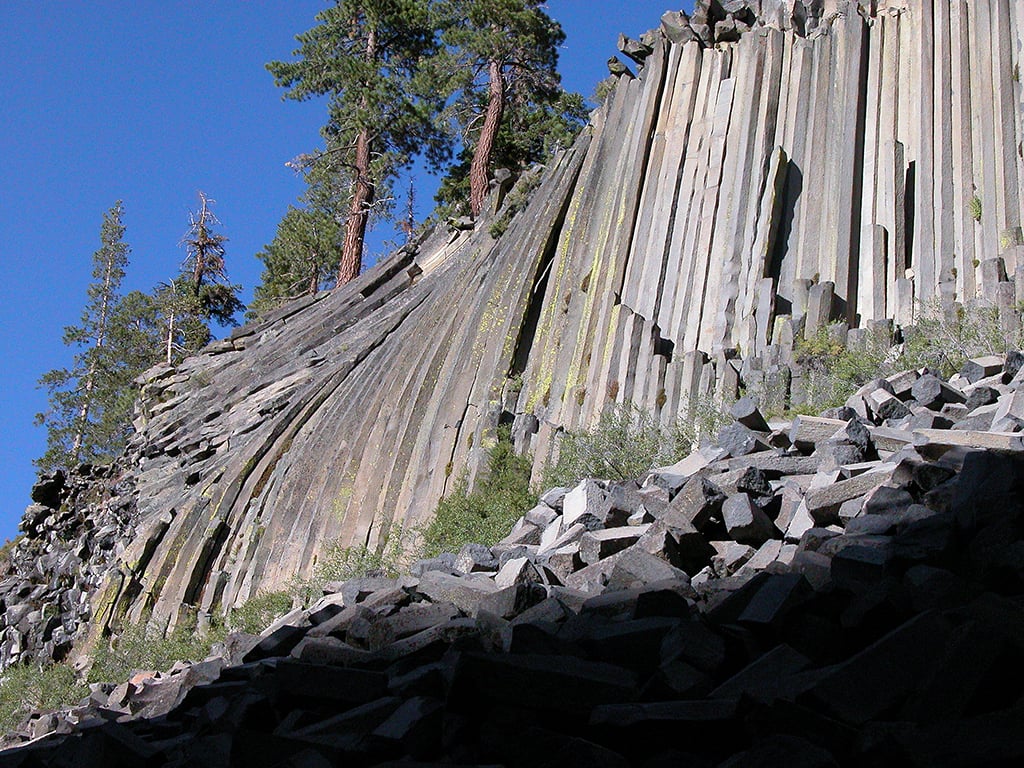
Devils Tower National Monument, Wyoming

How many of you have ever watched Steven Spielberg’s Close Encounters of the Third Kind? If you have, you’ll have noticed a a very distinct rock formation heavily featured in the movie. Established September 24, 1906, Devils Tower National Monument in Wyoming is not only the first national monument created, but it’s also the first national monument to protect a unique geological feature.
Dry Tortugas National Park, Florida

Freeman Tilden brushed on the military history of a small clutch of coral cayes when he mentioned Fort Jefferson National Monument in The National Parks, but the brief entry did little justice to the place known today as Dry Tortugas National Park.
Everglades National Park, Florida

One of the most incredibly beautiful birds you'll find in Everglades National Park is the Purple Gallinule. Unless you see a Roseate spoonbill. Or maybe a Tri-colored heron. Or a ..., well, you get the idea. There are an amazing number of gorgeous, and more common, bird species in the park. But time is running out to easily spot many of them, as the rainy season isn't too far off.
Effigy Mounds National Monument

Fort Vancouver National Historic Site, Washington State

Fort Vancouver National Historic Site is filled with Pacific Northwest culture and history. You not only can tour a replica of the original Hudson's Bay Company's Fort Vancouver, including the Chief Factor’s (fort overseer’s) house, the fort’s colorful demonstration garden, and the employee village just outside the fort, but you can also visit Pearson Air Museum right next door to the fort and home to historic aircraft and information about Pacific Northwest aviation.
Gates of the Arctic National Park and Preserve, Alaska

I stumbled across a video the other day that further convinced me that I need to move Gates of the Arctic National Park higher on my to-do list. In it, two septuagenarians set off on a three-week canoe trip down the Noatak River, a river the park staff tells us "drains the largest mountain-ringed river basin in America that is still virtually unaffected by human activities.
Glacier Bay National Park and Preserve, Alaska
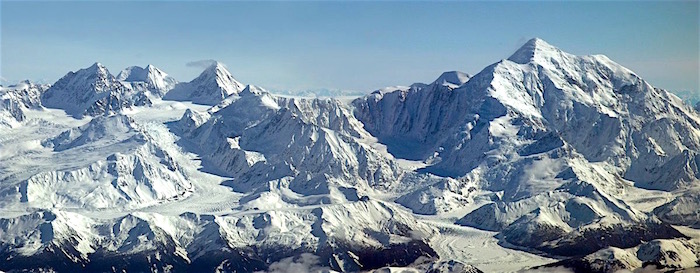
When John Muir traveled in 1879 to the landscape now embraced by Glacier Bay National Park and Preserve in Alaska, his great desire to see its bay and surrounding glaciers was confounded by overcast skies and rain with some snow mixed in. But when the weather took a change for the better, he was astounded by the view.
Glacier National Park, Montana

Amid a field of wildflowers and a backdrop of peaks framing the Continental Divide, the goateed mountain goats were the center of attention. While a handful of bighorns dealt with the June day's heat by relaxing in a waning snowfield, and grizzlies were deep in the backcountry, the iconic ambassadors of Glacier National Park were true posers for those following the trail to Hidden Lake.
Glen Canyon National Recreation Area, Arizona/Utah
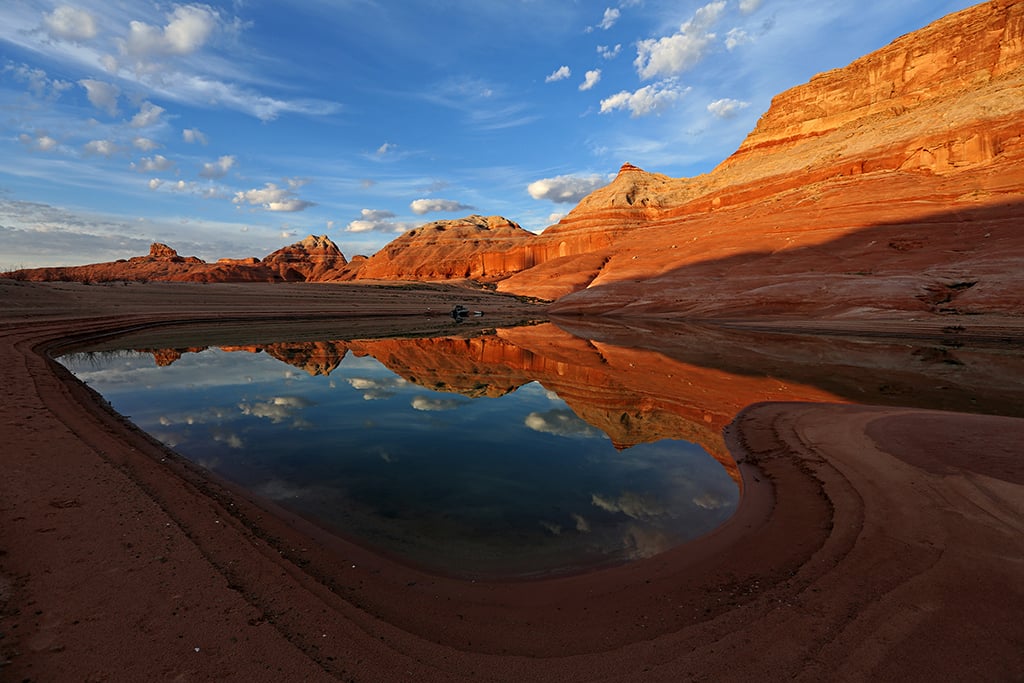
The first thing that may come to mind when Glen Canyon National Recreation Area is mentioned is Lake Powell, a reservoir on the Colorado River winding between red rock formations and canyons. Created by the flooding of Glen Canyon by the Glen Canyon Dam, this lake is a major destination for boaters. But that’s not all there is to this park.
Golden Spike National Historical Park, Utah

Located off of Interstate 15, a little over an hour-and-a-half from Salt Lake City, this national historical park sits within the breathtaking Basin and Range landscape of northern Utah. With its arid mountains, basins, and sagebrush plains, this park is not just the story of a golden spike or the trains traveling this continent-spanning railroad.
Grand Canyon National Park, Arizona

A colorful rift in the earth millions of years -- and immeasurable gallons of water -- in the making, the jagged maw of the Grand Canyon draws crowds content enough to simply stare across this impressive cross-section of geology from either the South or North rim of its namesake national park.
Grand Portage National Monument, Minnesota

Many units of the National Park System commemorate and preserve the history of places or trails in a certain location. Grand Portage National Monument in Minnesota is one of those parks, preserving Gichi Onigaming “The Great Carrying Place,” while introducing visitors to traditional Anishinaabe culture.
Grand Teton National Park, Wyoming

Standing atop Grand Teton, it's easy to see the handiwork of Horace Albright and John D. Rockefeller, Jr. To the southeast is Timbered Island, almost directly below is Jenny Lake, and a bit to the northeast is Jackson Lake. Not in view are the "shabby developments littering the roadway from Menors Ferry to Moran and along Jenny Lake’s south and east shores" that Mr. Rockefeller and Albright, then Yellowstone National Park's superintendent, saw in 1924.
Great Basin National Park, Nevada

Big trees, big mountains, and even a big cave greet those who head off the beaten track to Great Basin National Park in Nevada not far from the Utah border.
Read the overview.
Great Sand Dunes National Park and Preserve, Colorado

Somebody asks you to name the national park with the most impressive sand dunes, and you quickly answer, "Death Valley National Park!" And, of course, you'd be wrong.
Read the overview
Great Smoky Mountains National Park, North Carolina/Tennessee

One visit to Great Smoky Mountains National Park is not enough, even if it stretches over a week or two. This Appalachian wonder holds many stories within its roughly 800 square miles that cover the Tennessee-North Carolina border like a rumpled blanket.
Guadalupe Mountains National Park, Texas

You can see a long way from the roof Guadalupe Mountains National Park, as it also happens to be the roof of the entire state of Texas, and that's saying something.
Haleakalā National Park, Hawaii

Haleakalā National Park in Hawaii is both relatively young (58), and pretty old (102). How can that be?
Hawai'i Volcanoes National Park, Hawaii

Hawai'i Volcanoes National Park is in constant flux due to it's volcanic nature and the fact it's sitting atop a hot spot.
Hot Springs National Park, Arkansas

Long before thoughts turned to "national parks," a small town in Arkansas known as Hot Springs was drawing visitors desiring to relax in, well, the hot springs there. Today you can still find a good soak in Hot Springs National Park, but there's more to this place than hot water.
Hovenweep National Monument, Colorado/Utah
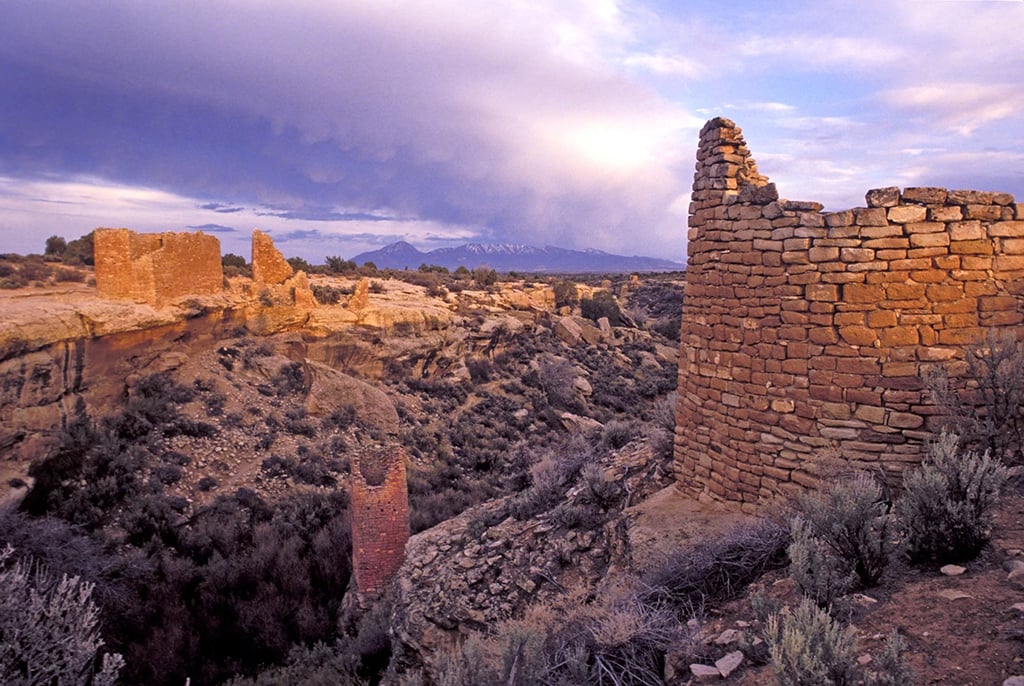
There are numerous units of the National Park System that preserve the art, architecture, and history of people who lived here long before the first white European ever sailed to the land we now call the United States. Hovenweep National Monument, located in portions of Colorado and Utah, is one such park, protecting six prehistoric sites built between A.D. 1200 and 1300.
Ice Age Floods National Geologic Trail, Montana/Idaho/Washington/Oregon

Here is a “trail” within the National Park System that is actually a route - one taken by gargantuan floodwaters some 18,000–13,000 years ago, covering 16,000 square miles (41,440 square kilometers) in parts of Montana, Idaho, Washington State, and Oregon.
Indiana Dunes National Park, Indiana
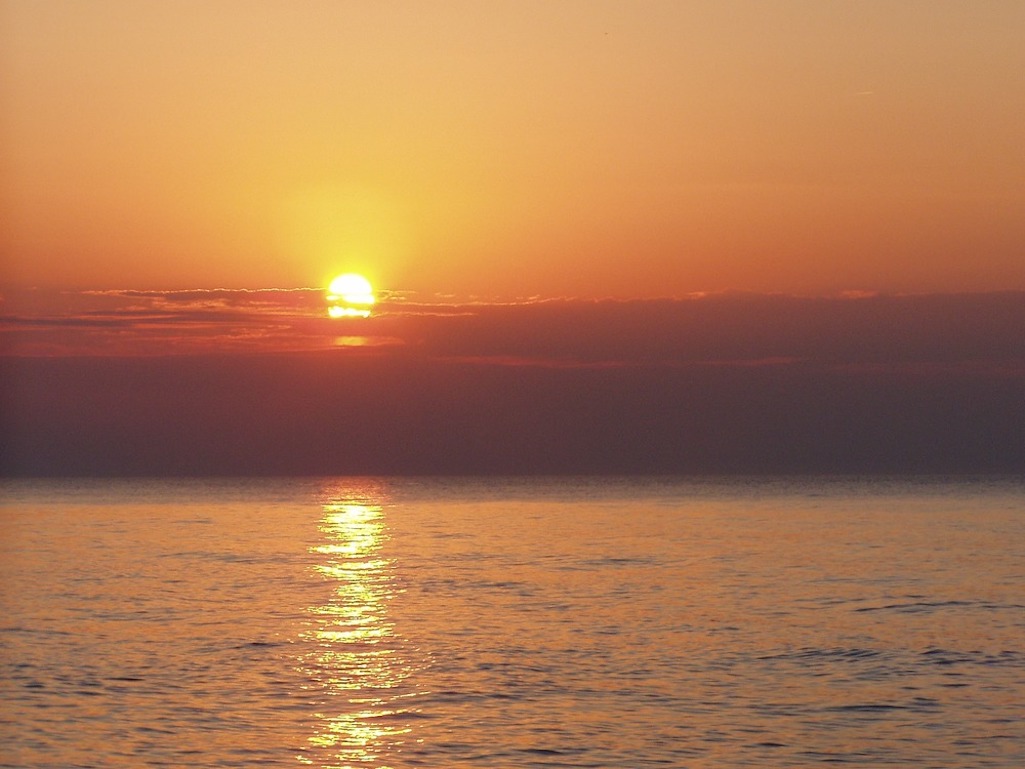
A change in name didn't change, but rather amplified, the reasons Indiana Dunes was added to the National Park System, as a national "lakeshore," back in 1966.
Isle Royale National Park, Michigan
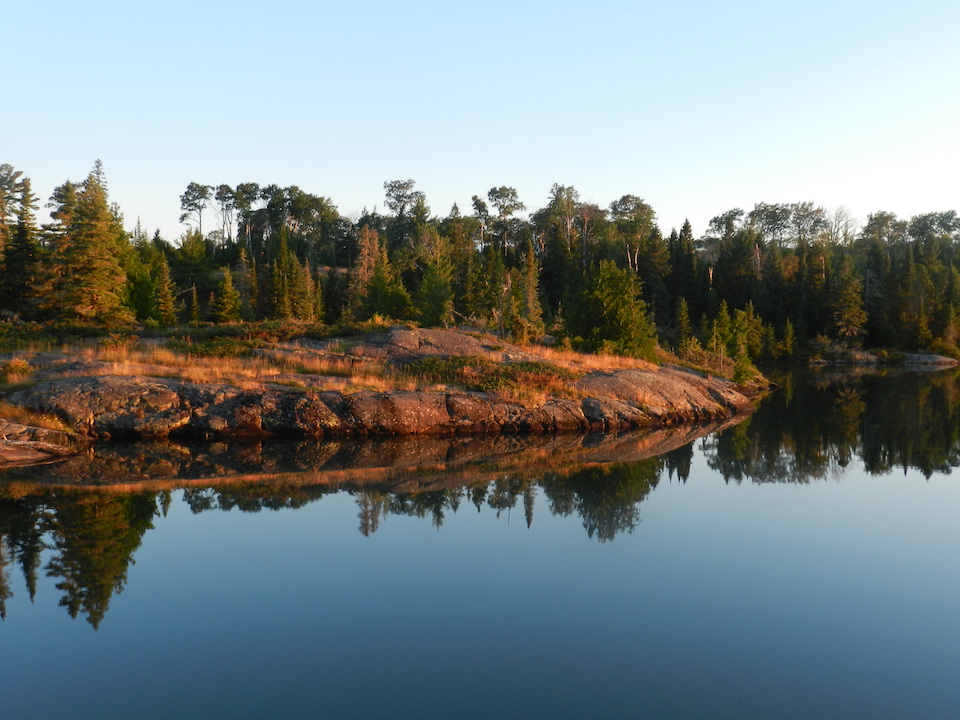
Isle Royale is a 571,800-acre, heavily forested island in tempestuous Lake Superior that under the National Park Service captures a snapshot of northwoods past, one that has been manipulated by succeeding generations of visitors. Yet it's a place where one can disappear into a vestige of wilderness, cast for a rare species of trout, or relax in a cabin or lodge room and enjoy the placid surroundings.
Jasper National Park
Jewel Cave National Monument, South Dakota

The National Park Service (NPS) protects and preserves many unique environments and landscapes, including caves. Jewel Cave National Monument in South Dakota is one such unique cave system within the NPS purview.
John Day Fossil Beds National Monument, Oregon

At John Day Fossil Beds National Monument in Oregon, you really can spend just a day here and get a flavor for the three units comprising this park. Of course, you’d need to start your day very early with the understanding there is about an hour’s drive between each unit of this national monument: the Clarno Unit, the Painted Hills Unit, and the Sheep Rock Unit.
Joshua Tree National Park, California
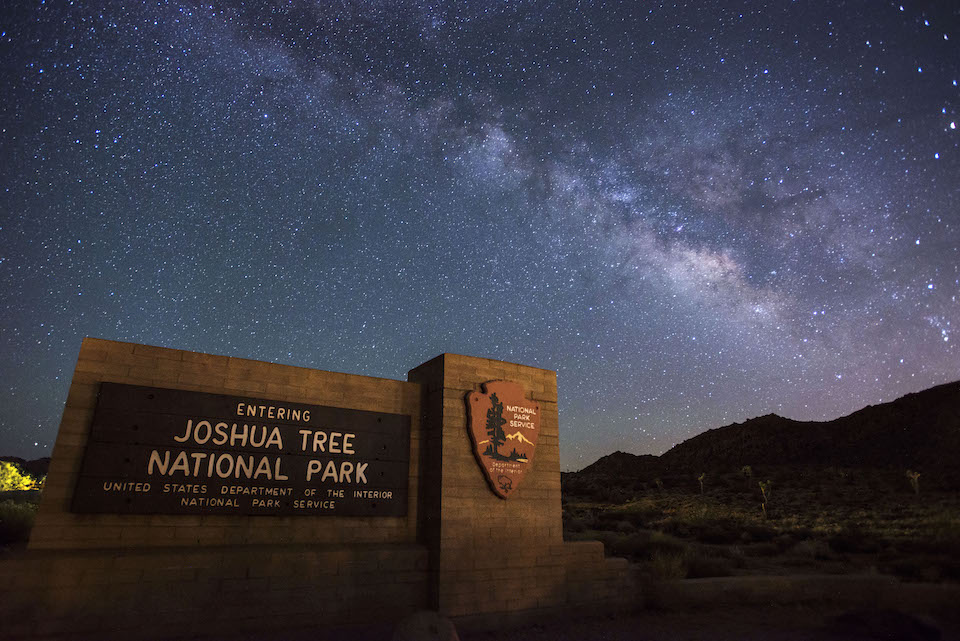
Straddling the geographic divide that splits the Mojave Desert from an element of the Sonoran Desert, Joshua Tree National Park is a geologic and botanical showcase that is a climber's gymnasium. But it also can be an unforgiving landscape, one that has claimed more than a few lives.
Katmai National Park and Preserve, Alaska
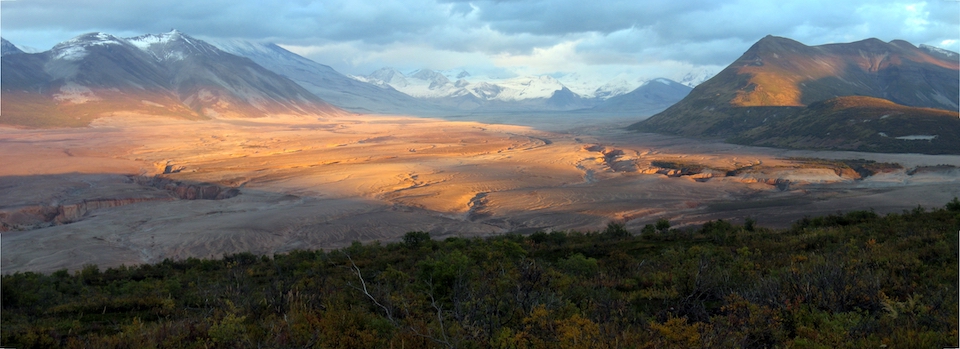
Bears -- big, brash coastal brown bears -- often are what most come to mind when there's mention of Katmai National Park and Preserve in Alaska. And that's understandable thanks to the Brooks River and the bear viewing opportunities there. But if that's all you consider when researching a trip to this national park, you'll kick yourself later.
Kenai Fjords National Park, Alaska

The National Park Service describes Kenai Fjords National Park in Alaska as the location “where mountains, ice and ocean meet.” This description provides you with a good idea of what you can see at this national park if you choose to visit.
Kobuk Valley National Park, Alaska

Located way up north, along Noatak National Preserve’s southern border and within spitting distance of Gates of the Arctic National Park and Preserve, not only is Kobuk Valley a land of sand dunes in addition to rivers, forests, and mountains, but it’s also where 250,000 caribou pass twice a year on an annual migration between their summer and winter grounds.
Lake Clark National Park And Preserve, Alaska

What is the first thing that comes to mind when someone mentions Lake Clark National Park and Preserve in Alaska? Bears? Mountains? Salmon? Untamed wilderness? All these apply to this national park and preserve located in southwest Alaska
Lake Mead National Recreation Area, Nevada/Arizona

Lake Mead National Recreation Area (NRA) was named after the larger of two reservoirs created by the construction of Hoover and Davis dams, becoming the United States’ first national recreation area.
Lake Roosevelt National Recreation Area, Washington State

With Lake Roosevelt National Recreation Area in Washington State, it’s all about water. Here, the main outdoor activities involve boating, paddling, swimming, or fishing. That doesn’t mean you can’t hike, hunt, or explore history at this park. In fact, you can do all of the above.
Lassen Volcanic National Park, California

A visit to LassenVolcanic National Park introduces you to volcanic features resulting from 20th-century explosive episodes as well as from eruptions occurring thousands of years ago. You’ll drive past 1,100-year-old lava domes from which sloughed rocky debris extending almost 10 miles into the valley floors. You’ll notice truck-sized boulders dotting the roadside, tossed from Lassen Peak’s exploding crater like so many baseballs at a batting cage.
Lewis and Clark National Historical Park, Oregon
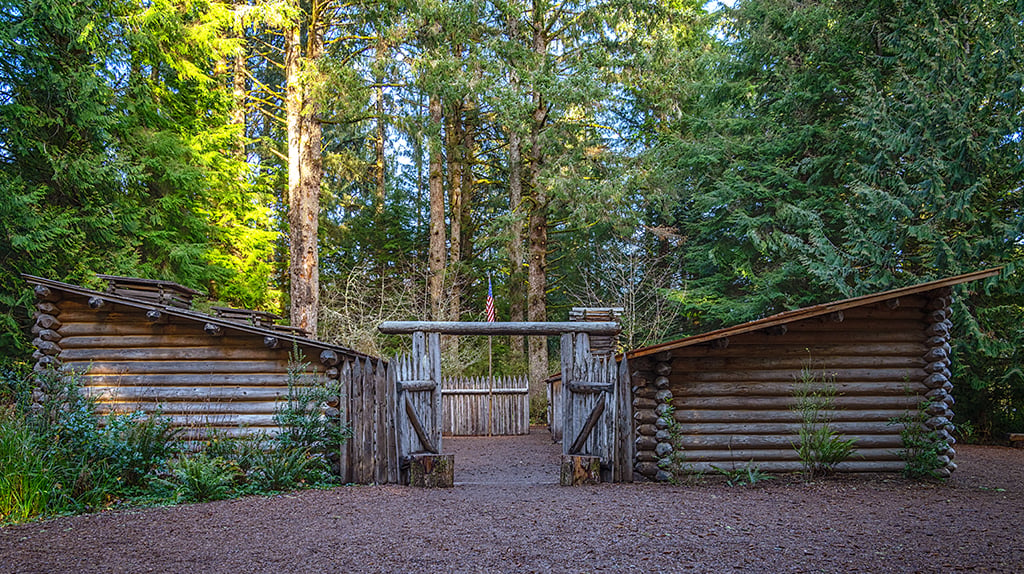
After Captains Meriwether Lewis and William Clark, along with their Corps of Discovery, finally reached the mouth of the Columbia River emptying into the Pacific Ocean, this band of men, one Native American woman (Sacagawea) and her baby, and a large Newfoundland dog named Seaman needed somewhere to rest and recuperate over the winter as well as to update maps and prepare for the long journey back to St. Louis.
Lewis and Clark National Historic Trail, 16 States

The Lewis and Clark National Historic Trail indicates a starting point and end destination just like there is with any hiking trail, but this national historic trail is not so much a single trail to be hiked, as it is a 4,900-mile (7,886-kilometer) route through 16 states.
Mammoth Cave National Park, Kentucky
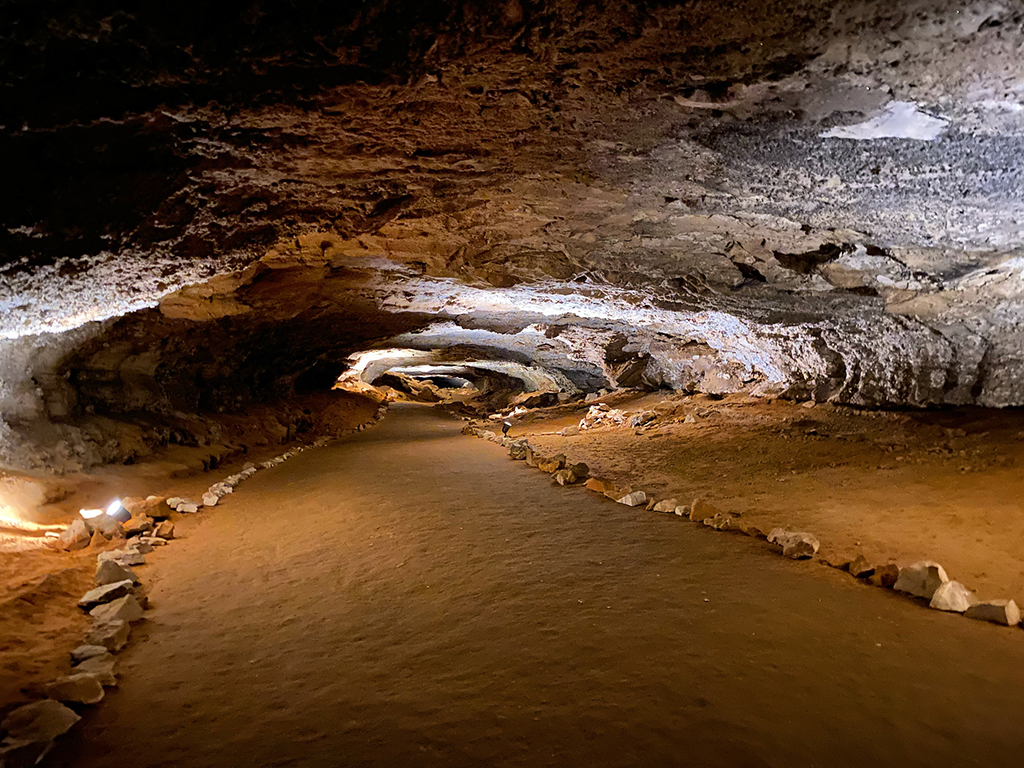
Mammoth Cave National Park in Kentucky celebrates the world’s longest known cave system at over 426 miles (686 km). This national park is home to unique wildlife (eyeless fish and transparent cave shrimp), unique history (saltpetre mining and TB huts), and unique geology (karst topography, speleothems, and fossil sharks).
Mesa Verde National Park, New Mexico

While landscapes and wildlife usually come to mind when thinking about units of the National Park System, there are national parks dedicated to the protection and preservation of human history, architecture, art, and culture. Mesa Verde National Park in southwestern Colorado is one such park.
Minuteman Missile National Historic Site, South Dakota

You probably wouldn’t notice the modern brick-and-glass visitor center to Minuteman Missile National Historic Site in South Dakota while traveling Interstate 90 east or west. It sits in the middle of vast prairieland without any fanfare, approximately four miles (6.4 kilometers) north of Badlands National Park’s Northeast Entrance and 21.5 miles (34.6 kilometers) southeast of the community of Wall, South Dakota. The visitor center, however, is one of three different units comprising this national historic site commemorating a “perilous period of world history,” according to the National Park Service.
Mount Rainier National Park, Washington State

On a clear sunny day in the Seattle/Tacoma area of Washington State, the locals often remark “The Mountain is out.” Gaze eastward and you, too, will see The Mountain, a 14,410-foot-tall (4,392 meters) volcano towering over the landscape in all its glacier-flanked glory. It’s a sight to behold. It’s also the centerpiece of Mount Rainier National Park.
National Park Of American Samoa

If someone asked you to name the most remote national park you could think of, you would be justified in mentioning a national park or two in Alaska, or perhaps the national parks in Hawaii. In truth, one of the most remote national parks is in the South Pacific, some 2,600 miles (4,184.3 kilometers) southwest of Hawaii. The National Park of American Samoa is not only remote, but is truly a paradise of coral sand beaches, deep blue waters, and stunning landscapes of lush tropical rainforest vegetation and stunning sculpted volcanic island mountains towering above the breaking waves.
New River Gorge National Park And Preserve, West Virginia

A river runs through it and an expansive bridge crosses over it. Originally established by President Jimmy Carter as a national river in 1978 and now a national park as of 2020, New River Gorge National Park and Preserve in West Virginia is home to one of the oldest rivers on the continent. New River flows through 70,000 acres (>28,000 hectares) of landscape rich in mixed mesophytic forest habitat, the history of natives, pioneers, coal miners, and loggers, and a plethora of outdoor activities ranging from hiking, to scenic drives, to climbing, boating, fishing, and hunting.
North Cascades National Park Complex, Washington State
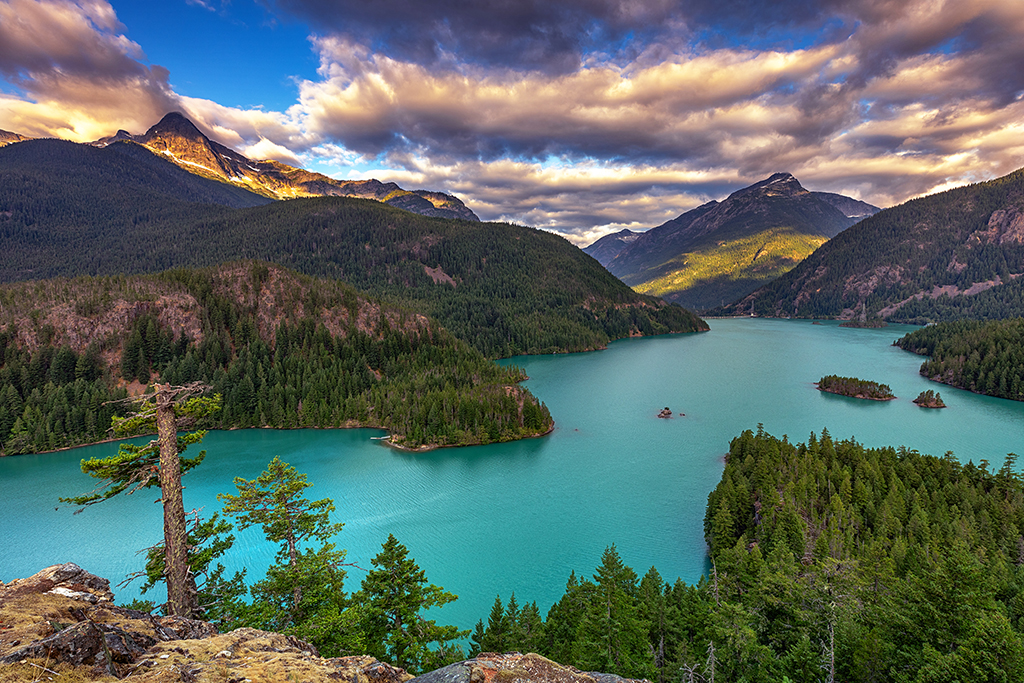
How often do you get a three-for-one deal in anything, much less a unit of the National Park System? With North Cascades National Park Complex in Washington State, that’s exactly what you are getting - three park units in one: North Cascades National Park, Lake Chelan National Recreation Area, and Ross Lake National Recreation Area, all wrapped up in a 700,000-acre (>280,000 hectare) package of true wilderness in which to experience hiking, backpacking, camping, fishing, boating, and scenic driving.
Olympic National Park, Washington State

Searching for a national park with a little bit of everything? Look no further than Olympic National Park in Washington State. Located on the Olympic Peninsula, you’ll find Pacific coast beaches, glaciated mountains, and lush rainforests.
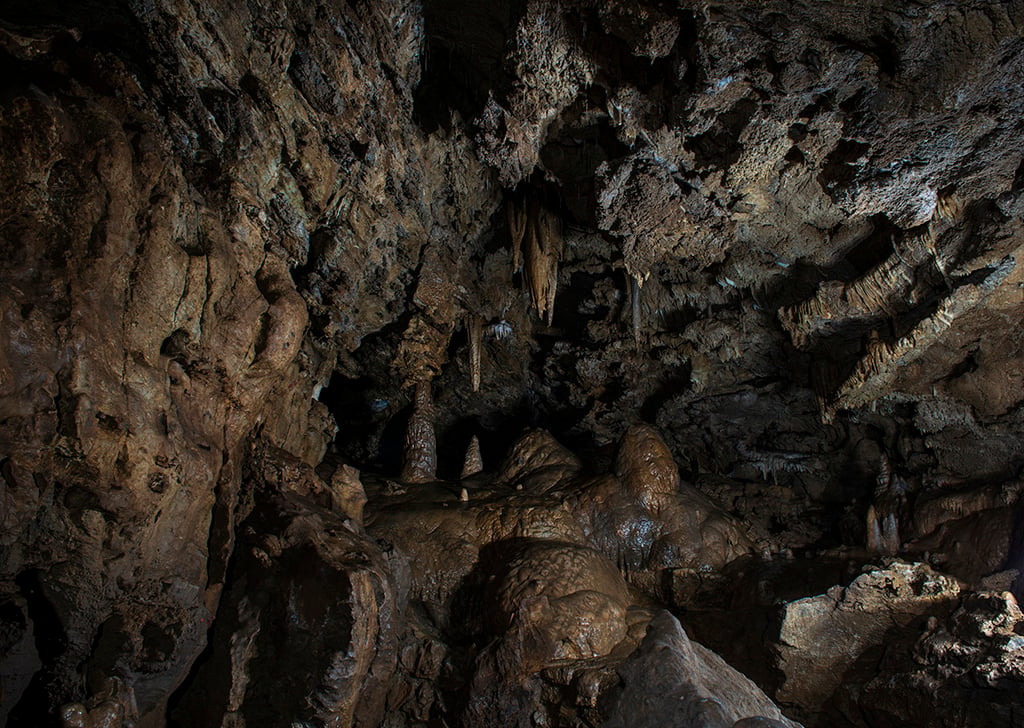
Oregon Caves National Monument And Preserve
Padre Island National Seashore, Texas

Padre Island National Seashore in Texas was made for sunrises. Established in 1962 to protect 66 miles (106.2 kilometers) of coastline along the Gulf of Mexico, this national seashore protects five species of sea turtle which nest or forage along the beaches and dunes, including one of the most endangered sea turtles in the world: the Kemp’s ridley.
Petrified Forest National Park, Arizona

It’s easy to spend just an hour driving the 28-mile (40-kilometer) road through Petrified Forest National Park in Arizona, stopping at the view areas then heading back onto Interstate 40. It’s a nice little break and stretch of the legs, actually. You’ll see a colorful painted desert, vast landscape, and brilliantly-saturated logs of petrified wood that look like someone took an axe to the ancient tree trunks to get those regularly-cut segments. But you really should stay a little longer, hike a trail or two, tour the historic Painted Desert Inn, and learn about the geology, paleontology, and history of this colorful national park.
Petroglyph National Monument, New Mexico

Petroglyph National Monument in New Mexico is a unit of the National Park System highlighting past cultures while nestled within the present culture. Although it feels like you are out in the middle of nowhere while hiking the Petroglyph’s trails, this park could be considered an urban park, broken to several areas, each of which are located right next to portions of the bustling Albuquerque metropolis.
Pinnacles National Park, California

Caves, condors, high peaks, woodlands, and meadows. Pinnacles National Park in California, named after the eroded remnants formed from volcanic eruptions over 20 million years ago, offers visitors a contrasting variety of environments to explore.
Point Reyes National Seashore, California

When you think of a national seashore, the east and southern coasts probably come to mind, with Cape Hatteras, Cape Cod, Gulf Islands, and Padre Island national seashores, to name a few. But the West Coast is home to a national seashore, too. Point Reyes National Seashore in California combines sandy beaches, rugged headlands, grasslands, and forests into a little over 71,000 acres (28,733 hectares) of landscape.
Redwood National And State Parks, California
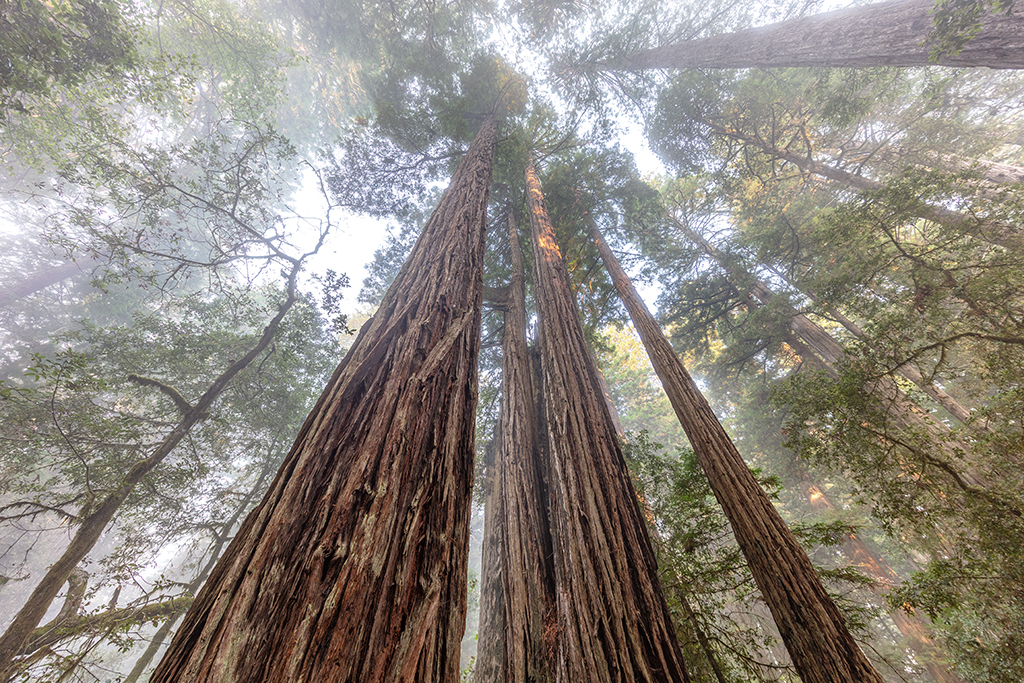
Redwood National and State Parks in northern California is a testament to the partnership of federal (National Park Service) and state (California Department of Parks and Recreation) agencies cooperatively managing lands on which thrive the remaining swaths of coastal redwood trees, some of which are between 800-2,000 years old.
Rocky Mountain National Park, Colorado

The popular 70s song Rocky Mountain High, written by John Denver and Mike Taylor, was inspired by Denver’s love for Colorado and is one of Colorado’s two state songs. A visit to Rocky Mountain National Park may have you singing that song, too, once you have experienced the splendid scenery of rugged mountains, alpine lakes, and montane meadows, viewed the spectacular sight of elk sparring for the right to control the harem, and heard the echoing sound of those same elk bugling during the mating season.
Sequoia And Kings Canyon National Parks, California

Sure, there’s a Kings Canyon National Park and a Sequoia National Park, both in California, but the National Park Service only has a single webpage combining these two national parks. After all, when you visit one, you ought to go ahead and visit the other right next door, since both are home to some of the world’s largest trees. Of course, while it’s mainly about the trees in these parks, it’s not just about the trees. In addition to groves of these red, spongy-barked behemoths, you can also explore a landscape of mountains, foothills, canyons, and even caves (more than 200 of them, although only one is currently open to the public).
Shenandoah National Park, Virginia

Drive 75 miles (121 kilometers) from busy Washington, D.C. and you’ll enter 200,000 acres (>80,000 hectares) of protected geography rich with history and the ghosts of Civil War soldiers vying with songbirds and waterfalls to tell their stories. Shenandoah National Park in Virginia is a landscape of ancient, rounded mountains, rolling hills, shadowy backwoods, and quiet hollows.
Sunset Crater Volcano National Monument

A hop-and-a-skip from Flagstaff, Sunset Crater Volcano National Monument is a park in which to spend the day hiking, photographing, and learning about that park’s environment as well as its human history.
Tallgrass Prairie National Preserve, Kansas

All units of the National Park System protect and preserve something, be it history, culture, landscape, wildlife, one or more ecosystems, or all the above. If you happen to travel to or through Kansas, you should stop off for a visit to Tallgrass Prairie National Preserve in the Kansas Flint Hills. This park is one of those units that indeed preserves and protects all of the above. Step out of your vehicle and gaze into a broad panorama covered by almost 11,000 acres (4,451.4 hectares) of a tall “sea” of grass waving in the wind.
Virgin Islands National Park
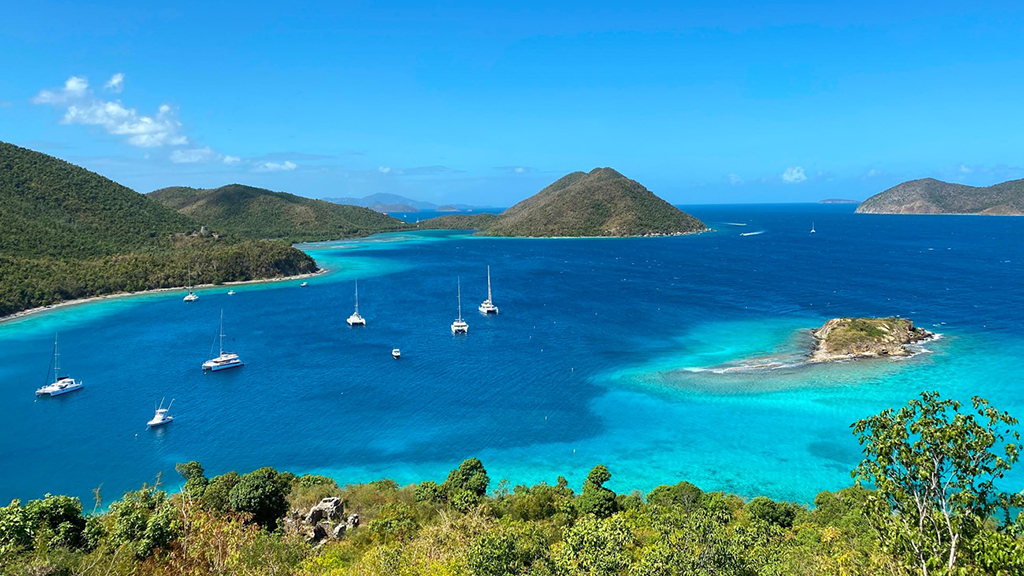
Virgin Islands National Park is a paradise surrounded by warm Caribbean waters, where you can hike through mountainous forests to view ancient petroglyphs, swim with sea turtles, angelfish, groupers and grunts, and learn a tumultuous history of pirates, sugar plantations, and slavery.
Voyageurs National Park, Minnesota

Voyageurs National Park in Minnesota commemorates those French-Canadian fur traders (voyageurs), the first Europeans to travel through the area with their canoes 250 years ago. Indeed, while there are a few visitor centers and trails that can be reached by car, the best way to explore the 218,000 acres of lakes, rivers, and forests is by boat. That’s because water makes up 40 percent of this park.
War In The Pacific National Historical Park

Whiskeytown National Recreation Area, California
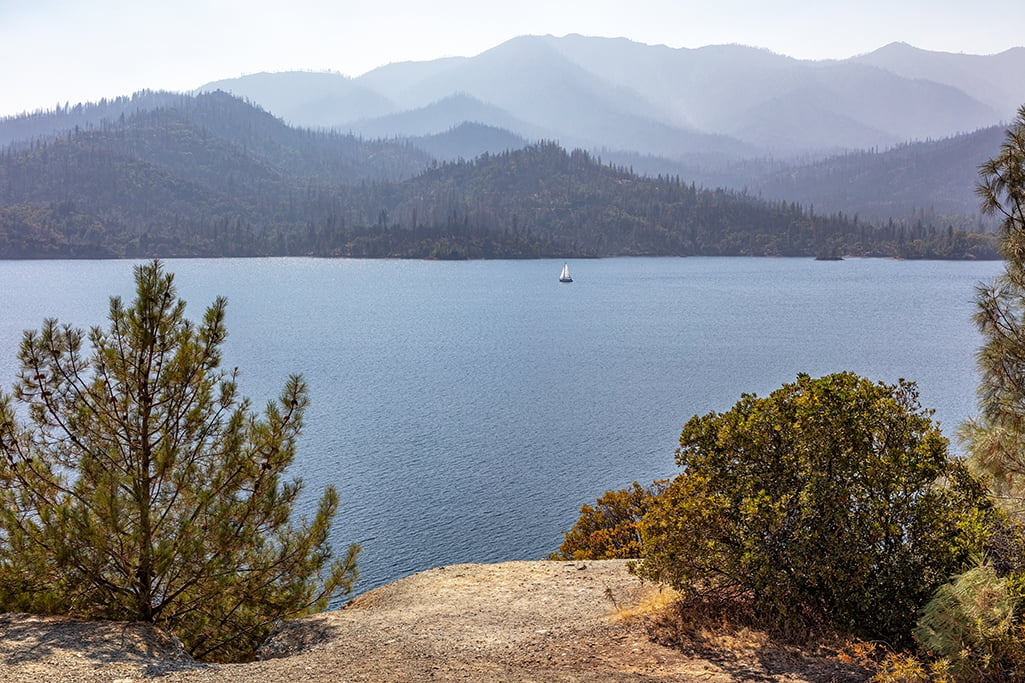
Despite a devastating 2018 wildfire that burned more than 97 percent of the recreation area’s 42,000 acres, along with 200,000 acres outside the park’s boundaries, Whiskeytown National Recreation Area has bounced back to provide outdoor adventures and fun on and off the water.
White Sands National Park, New Mexico

Picture 275 square miles (712 square kilometers) of sparkly, sugar-white, undulating sand dunes perfect for hiking, sledding, photography, or simply reflecting on a unique environment that is brilliantly bright, stark, and desolate to the general view, yet teeming with plant, animal, and insect life exclusive to the Chihuahuan Desert and White Sands National Park, in New Mexico, home to the largest gypsum dunefield in the world.
Wind Cave National Park, South Dakota

Bison, pronghorn, prairie dogs, and the third longest cave in the United States. You’ll find all this and more when you visit Wind Cave National Park in South Dakota, where there is as much to see and do above ground as there is below.
Wrangell-St. Elias National Park and Preserve, Alaska

Encompassing a topography ranging from sea level to an elevation over 18,000 feet (5,486.4 meters), Wrangell-St. Elias National Park and Preserve in Alaska is the certified winner as the largest national park in the U.S. and the largest wilderness area in North America. At 13.2 million acres (>5 million hectares), this national park equals six Yellowstones! And yes, you can get there from here via Anchorage.
Yellowstone National Park, Wyoming/Montana/Idaho
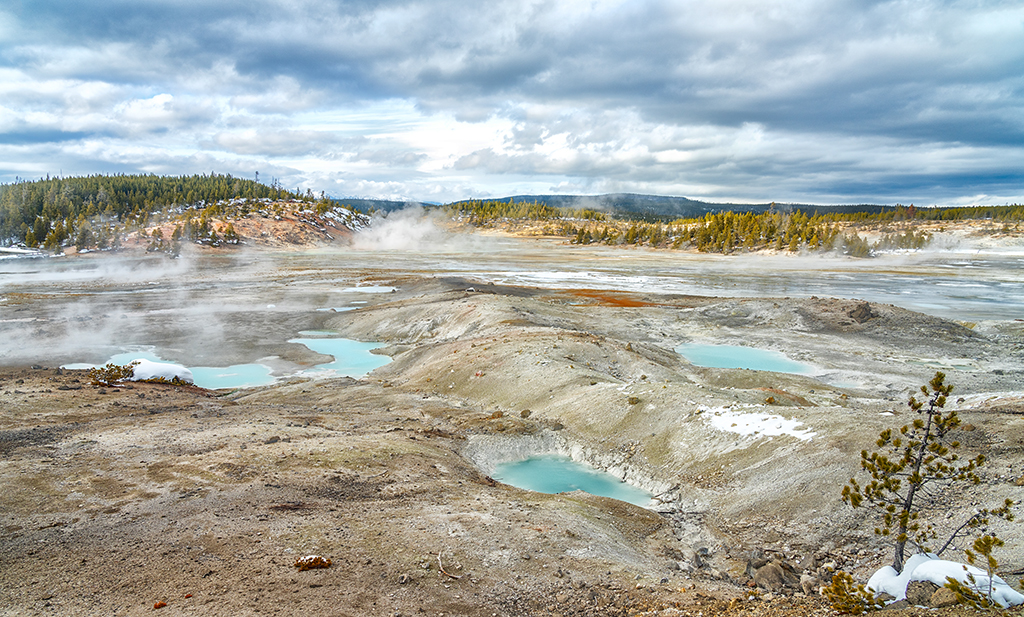
On March 1, 1872, Yellowstone National Park was established as the first national park in the United States and in the world, heralding an era of protecting and preserving not only the unique landscapes, wildlife, and history at Yellowstone, but also elsewhere within the nation “For The Benefit And Enjoyment Of The People.” Located in parts of Wyoming, Montana, and Idaho, this national park is truly deserving of the distinction, as evidenced by an annual visitation of approximately 4 million people during each of the past five years.
Yosemite National Park, California

There is so much to see and explore in Yosemite National Park's 1,200 square miles (3,108 square kilometers) of rivers, meadows, forests (including giant sequoia trees), and rounded granite mountains of the High Sierra.
Zion National Park, Utah

Visit Zion National Park in Utah and your gaze is immediately lifted upward to the pink, buff, and orange sandstone canyon walls on either side of the road. Listed in a National Geographic article as the 3rd most popular national park for 2024, Zion regularly attracts over 4 million visitors annually, and with good reason.
- By NPT Staff - June 29th, 2026 6:26am