
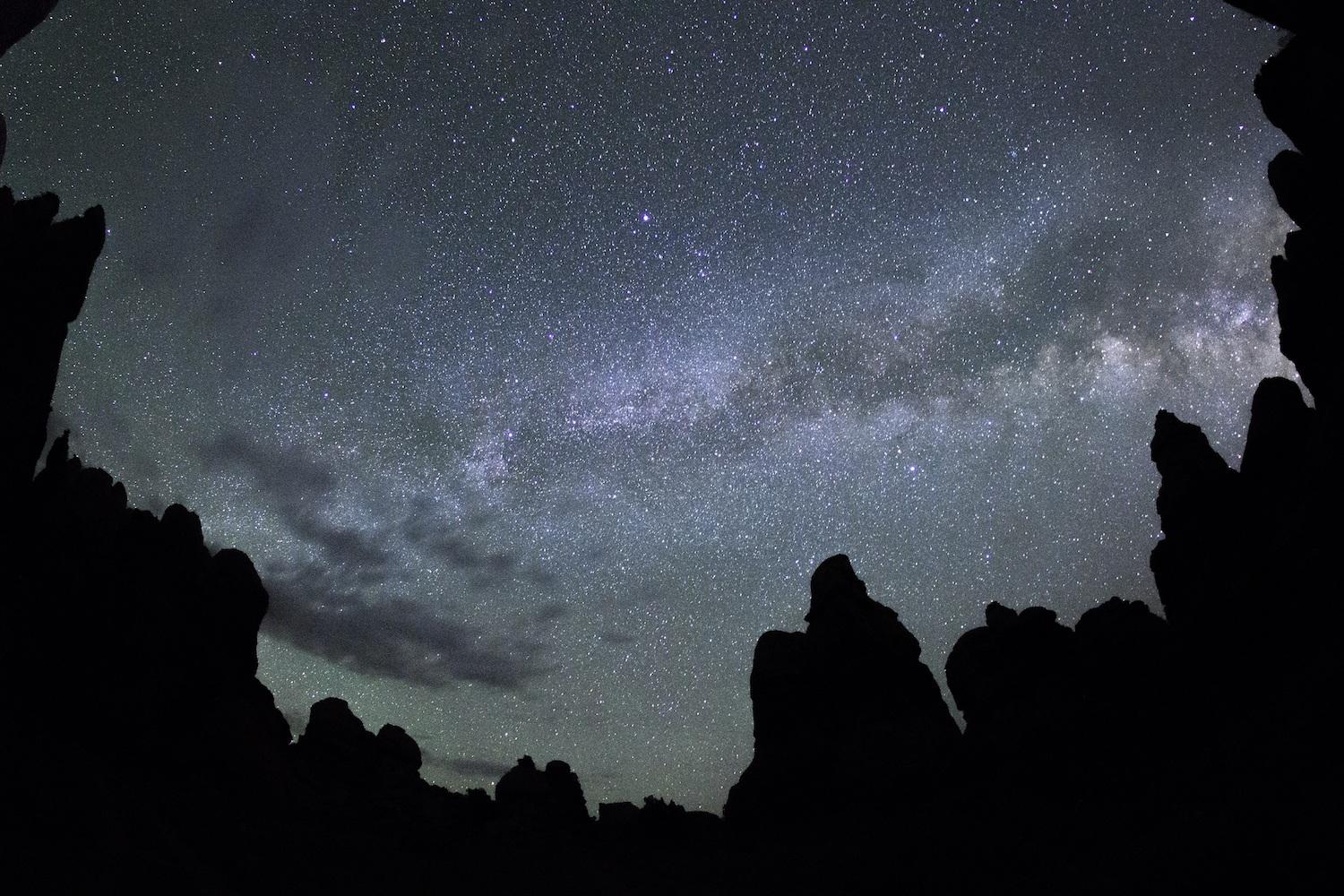
Stars over Canyonlands National Park/Long Pyles
National Parks Traveler's 2nd Annual Threatened and Endangered Parks
Light Pollution, Climate Change, And Energy Development Threaten The Parks
Public-lands funding Congress packaged in the Great American Outdoors Act in 2020 is certain to help address weaknesses across the National Park System in terms of maintenance needs and land acquisitions, but the system continues to suffer from many other threats, both external and within park boundaries.
In this, Traveler’s 2nd annual Endangered And Threatened Parks package, we look at some parks that are either struggling to retain the qualities that led to their inclusion in the National Park System in the first place, or whose qualities are threatened. Our aim is not to examine every single unit of the park system, but to spotlight threats that in some cases might be found at many parks and that are jeopardizing the integrity of the park system.
The collection of stories should also raise concerns about how the National Park Service Organic Act is being honored more than a century after it was passed by Congress. As many know, the act's key mandate to the National Park Service was to "... conserve the scenery and the natural and historic objects and the wild life therein and to provide for the enjoyment of the same in such manner and by such means as will leave them unimpaired for the enjoyment of future generations."
It's a heavy task for the Park Service alone to bear. Society as a whole -- individuals as well as corporations and political entities -- has a role in supporting the Organic Act with the decisions made outside of the agency as well as inside. Some of the issues confronting parks can be directly tied to John Muir's fear that "(N)othing dollarable is ever safe, however guarded." But others are a consequence of population growth, urbanization, and even lack of respect for what the park system protects and represents.
Some problems confronting the National Park System are readily apparent. There are concerns about oil exploration affecting places such as Big Cypress National Preserve in Florida and Chaco Culture National Monument in New Mexico, the damage the border wall has inflicted on Organ Pipe Cactus National Monument and Coronado National Memorial in Arizona, overcrowding and visitor management that continue to affect a handful of the park system's crown jewels, and development of lands outside parks that could threaten their integrity.
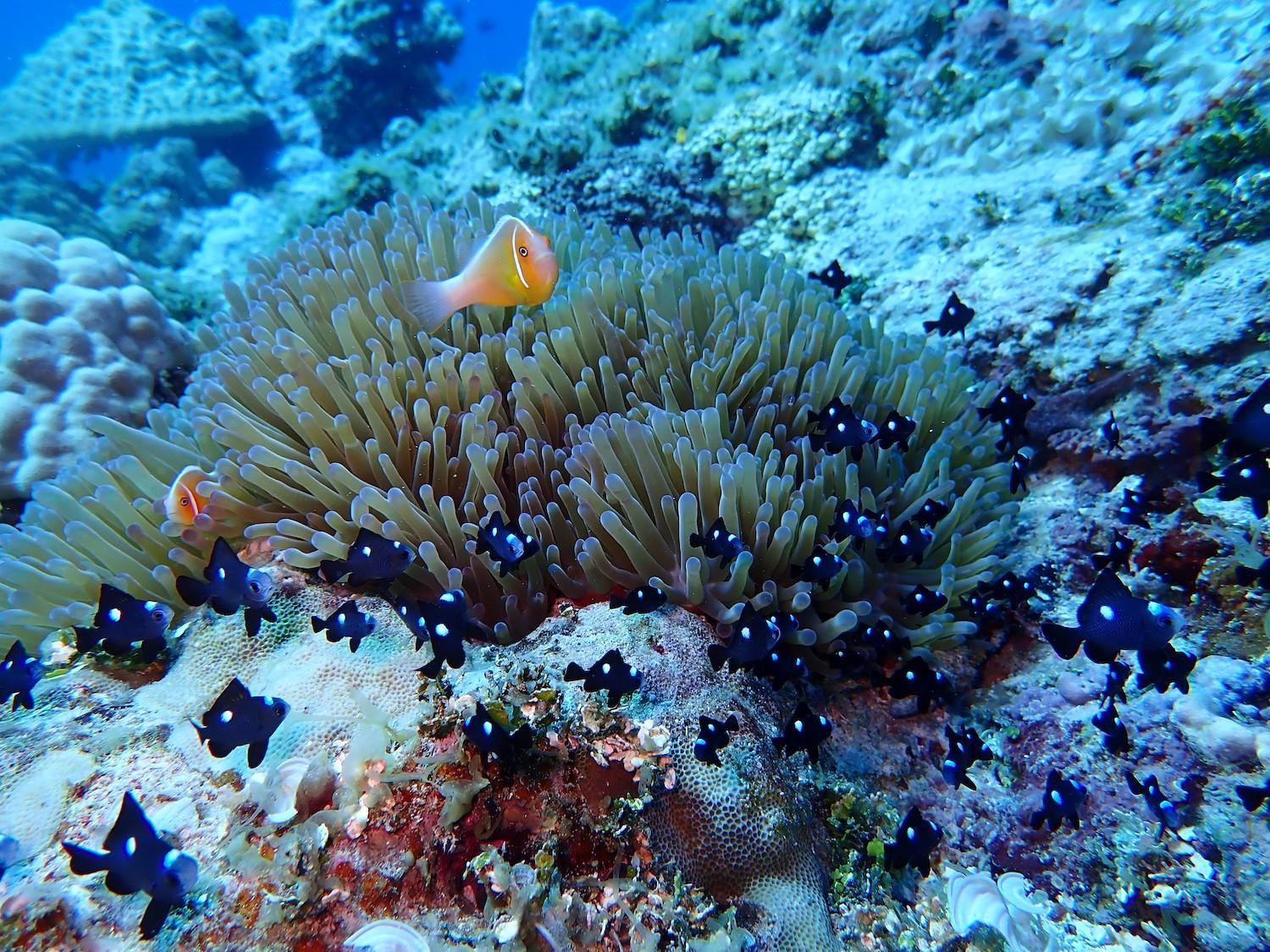
But out-of-sight issues exist, as well. Some of the park system's most sensitive ecosystems -- coral reefs -- are under siege from threats ranging from climate change to plastics pollution. Somewhat ironically, a threat most of us might not immediately appreciate arises in efforts to make "clean energy": the solar arrays that companies want to build as the country moves away from fossil fuels in a bid to stem climate change.
Climate-change impacts can be somewhat nebulous: it can be hard to "see" warming temperatures, and sea-level rise is incremental. But the impacts are showing in some areas of the park system. The effects are threatening historic battlefields and sites in Virginia and Mississippi in different ways. In Virginia, the push for large-scale solar energy as an alternative to fossil fuels has the potential to conflict with historic preservation, while in Mississippi erosion continues to be a major problem at Vicksburg National Military Park.
Two other threats to parks that aren't immediately obvious can be seen and heard. According to one study, the Earth is growing brighter at a rate of about 2 percent each year. Although many national parks remain sanctuaries for natural darkness and sound, the encroachment of artificial light and noise pollution threatens to disrupt both the visitor experience and ecological conditions for wildlife. One example is the aircraft noise impacting the country's "quietest one inch" in Olympic National Park in Washington state.
If those issues aren't enough, rocket ships could pose problems for Cumberland Island National Seashore.
Parks we've called out face exceptional problems that affect or threaten their natural resources or structural health as well as the visitor experience. Failure to develop, fund, and implement management plans or cooperative agreements to counter these impacts will lead to continued deterioration of individual parks and to the National Park System as a whole. Many of the parks named in last year's inauguaral list remain on the list, because problems don't easily go away, but there are some newcomers, as well. -- Kurt Repanshek
NPS photo
America's Ailing Reefs
By Jonathan Horwitz
The first standardized national assessment of coral reefs in all U.S. states and territories finds that conditions in vital marine ecosystems are fair but vulnerable and declining. “We’re buying time,” one NOAA marine biologist says of reef conservation efforts in the face of climate change.
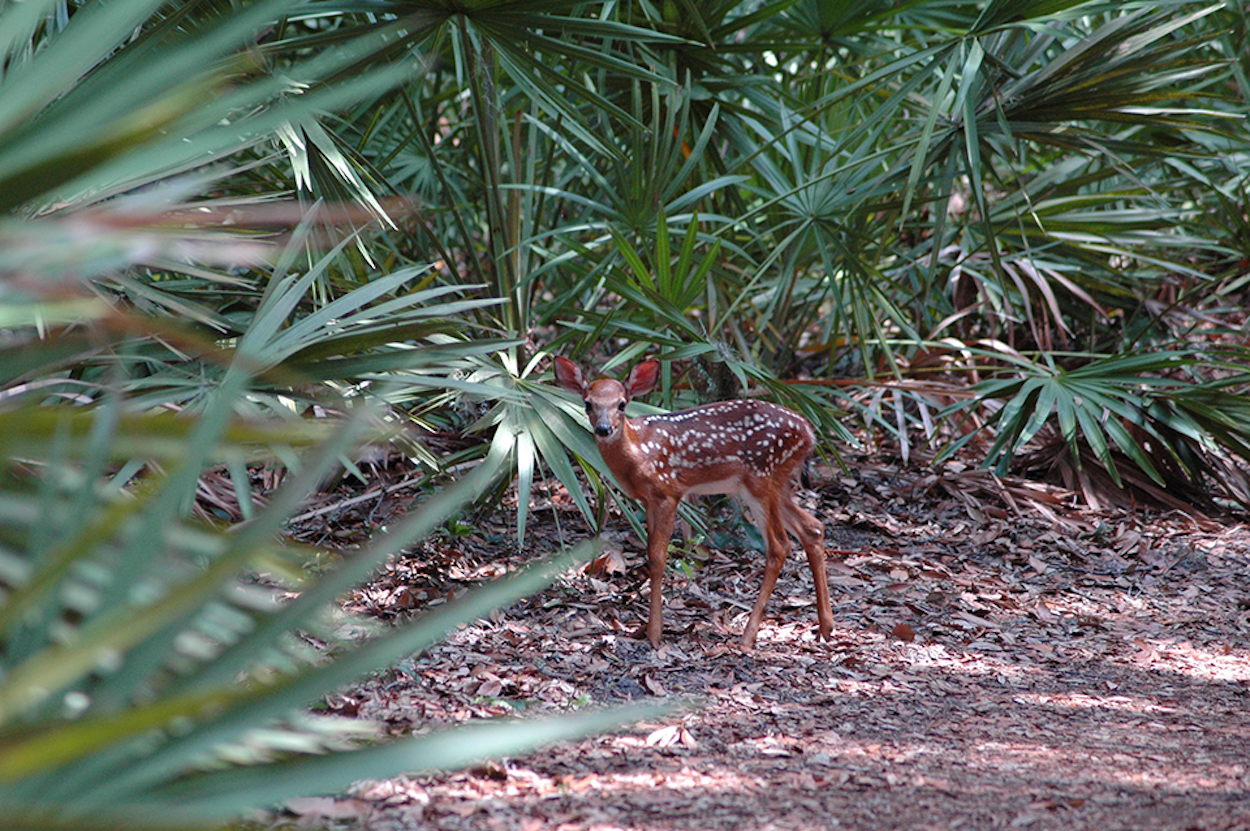
A commercial spaceport proposed to be built just west of Cumberland Island National Seashore is viewed as a serious threat to the seashore and its varied resources/NPS file
External Threats
By Kurt Repanshek
Imagine spending a few nights in the backcountry of a national park, and you're awakened in your tent by the sound of a rocket soaring over your camp. Or, worse yet, the rocket launch ends in failure and the debris showers down on the park.
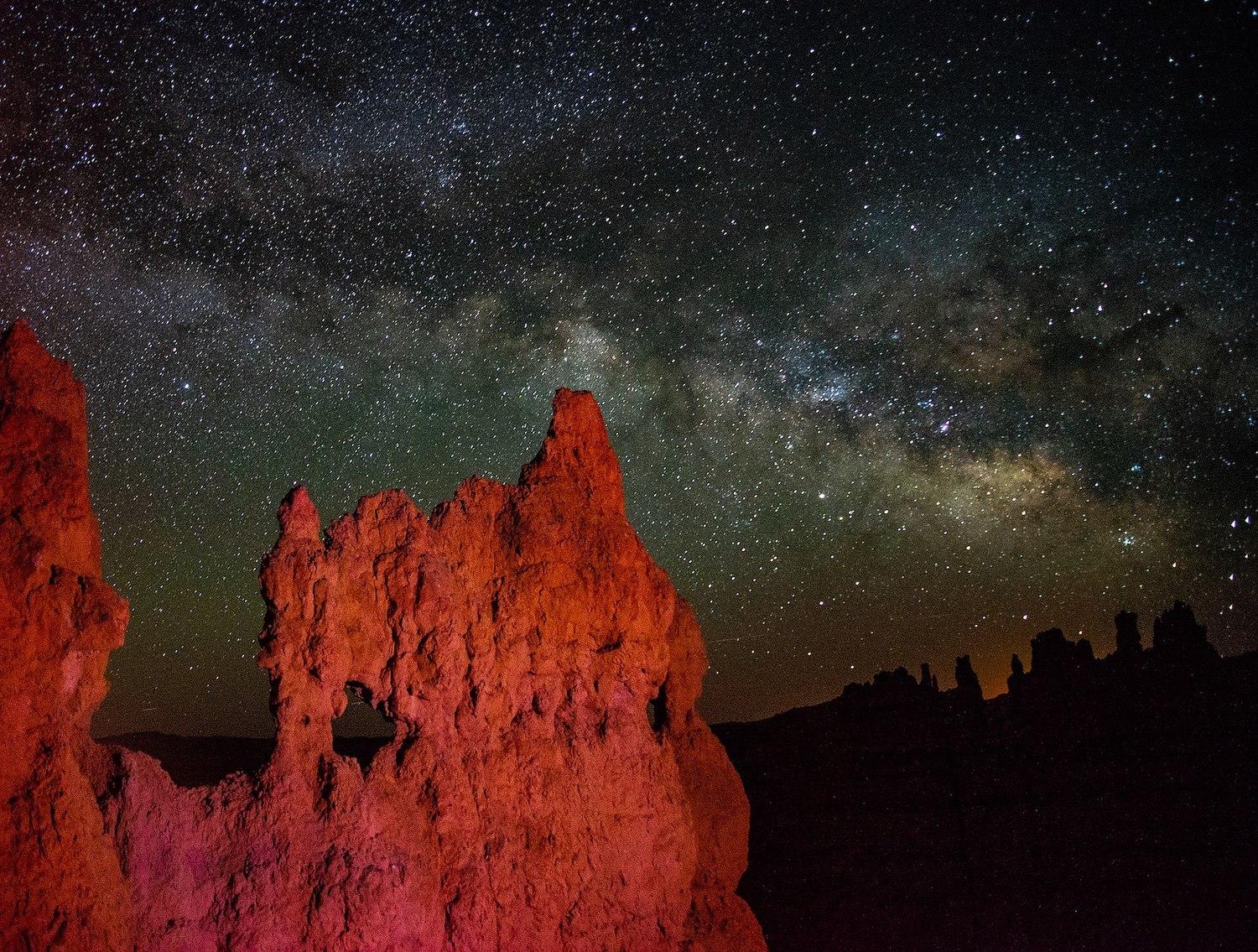
Night sky over Bryce Canyon National Park/Anthony T. Pope
Losing Darkness And Natural Sound
By Kim O'Connell
Across the Intermountain West, light pollution is significantly altering the dynamics of predator-prey interactions, according to a 2020 study conducted by the University of Michigan. The study --which focused specifically on cougars and their primary prey, mule deer, which are two of the most ecologically important large mammal species in the West -- noted that at certain times and locations, there was “simply too much artificial light and/or human activity for cougars, creating a protective shield for deer.”
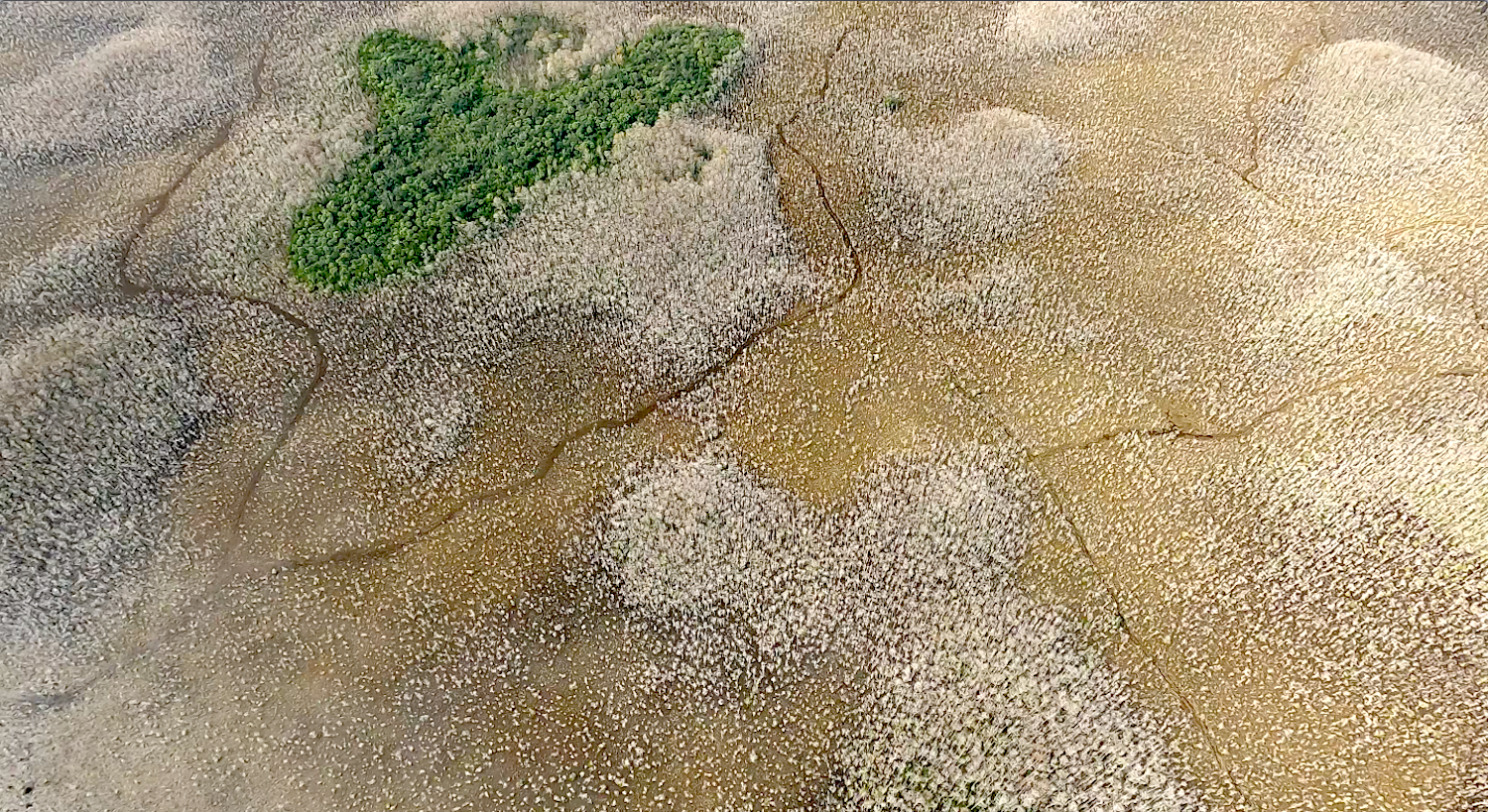
Seismic lines laid across Big Cypress National Preserve in 2017 and 2018 remain highly visible in this aerial photo taken late in 2020/NPCA
Energy And Mineral Extraction
By Kurt Repanshek
From the air, the seismic lines worm their way across the landscape of Big Cypress National Preserve in Florida, while under foot some are hard-packed routes that thwart vegetation and alter the flow of the "river of grass." The impairment to the country's first national preserve, a wild remnant of what once covered southern Florida, is both palpable and tangible.
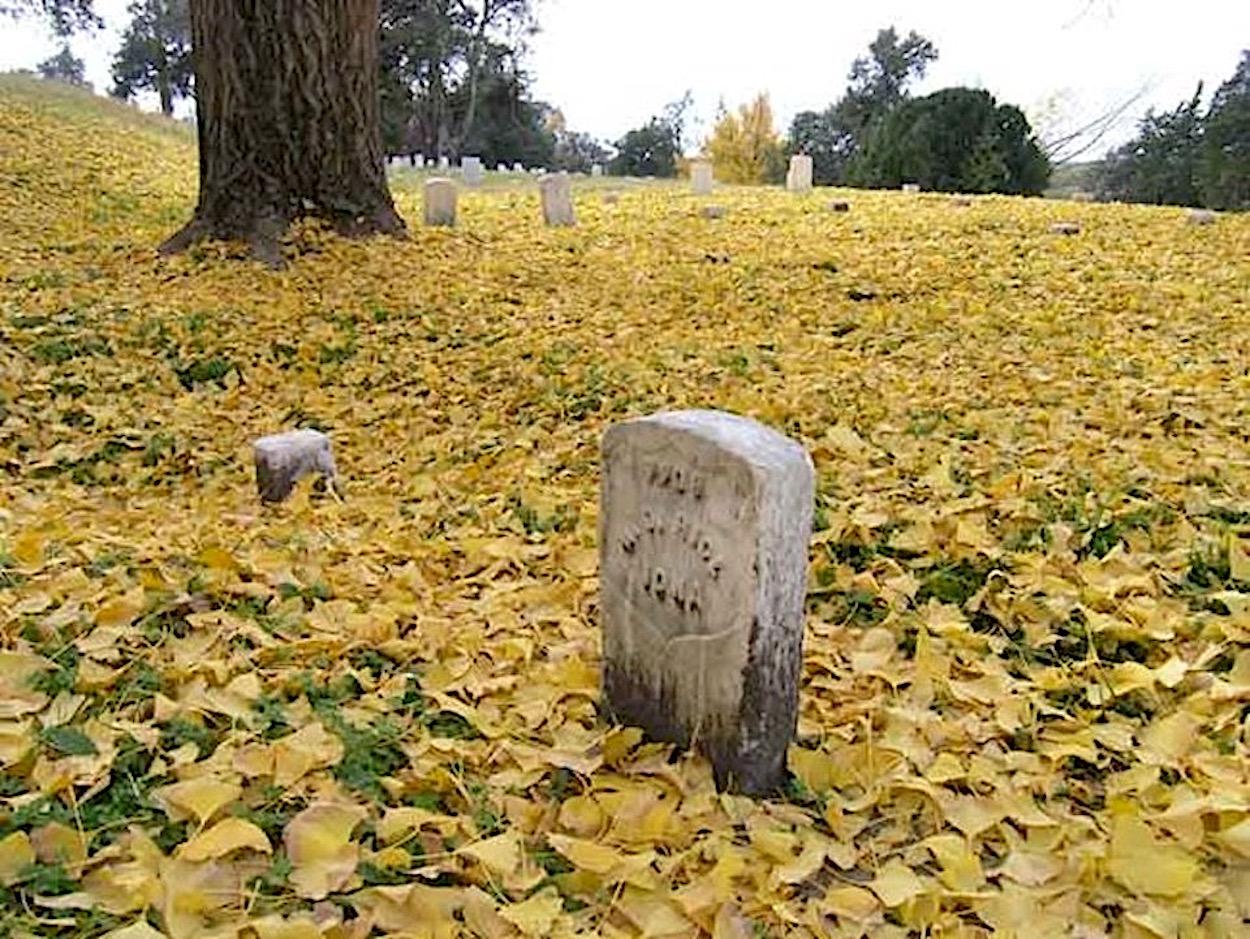
Changes in weather have impacted grave sites at Vicksburg National Cemetery/NPS
Historic Sites At Risk From Climate Change
By Kim O'Connell
Climate change impacts are threatening some units of the National Park System in different ways. While some see solar energy as part of the solution to weaning the nation off fossil fuels, placement of solar arrays too close to parks pose a threat. At the same time, changes in weather patterns are creating on-the-ground problems for other parks.
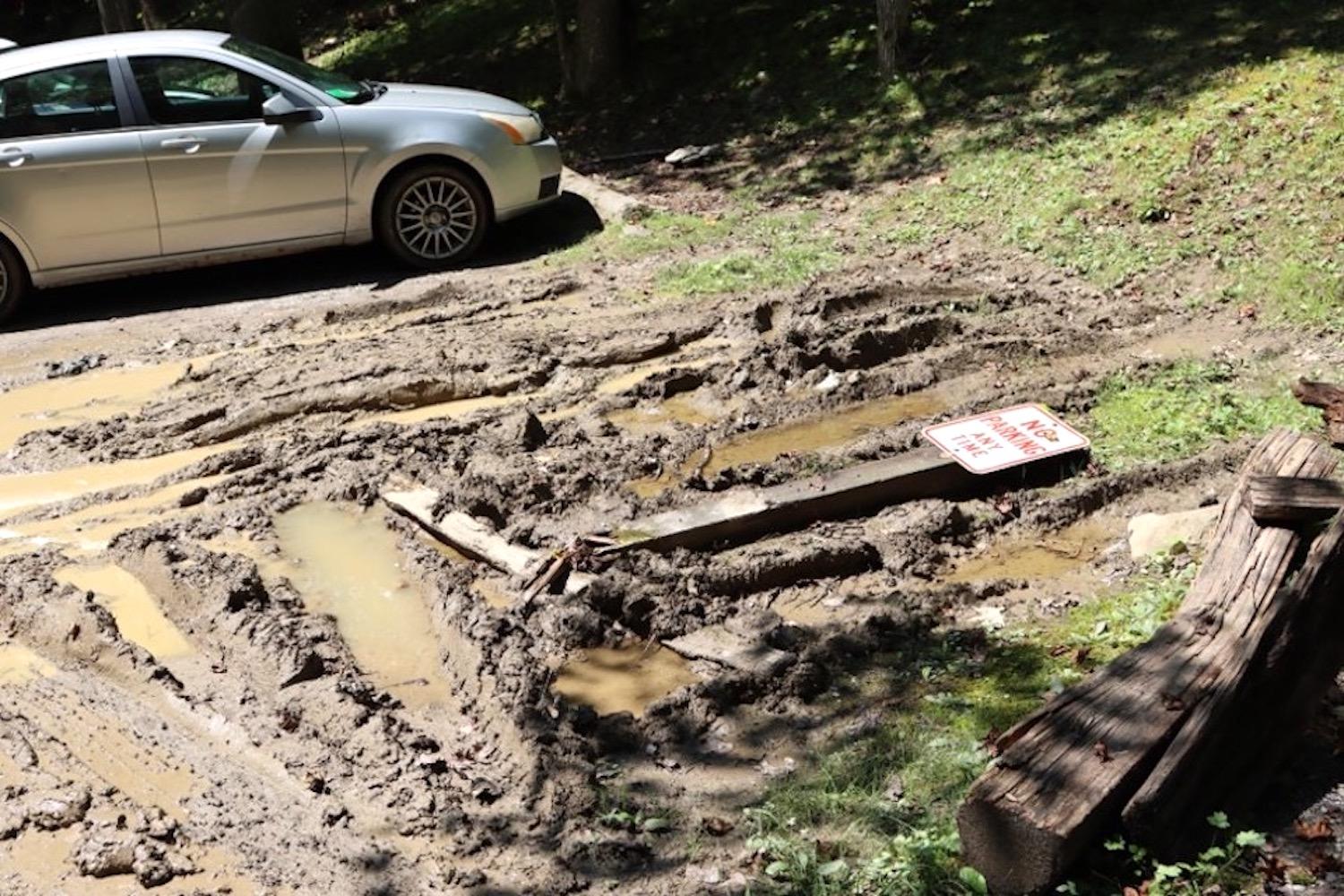
Too many cars, and not enough parking, leads to resource damage at Great Smoky Mountains/NPS file
Overcrowding And Visitor Management
By Kurt Repanshek
There are, across the National Park Service, a number of parks that draw large crowds of visitors, crowds that in some places are stretching the shoulder seasons and challenging park managers to get creative when it comes to protecting natural resources and dealing with the heavy visitation.

Featured Article


Comments
Let's make foriegn visitors illegal in our National Parks, Overcrowding by US citizens is bad enough. We don't need foreigners making overcrowding worse. The National Parks should be a benefit for US citzenship.
Yes, and maybe France should outlaw foreigners from visiting historical sites there. Last time I visited the Louvre, Versailles and Carcassone they were extremely crowded with Americans.
Exactly, Kim. You really don't want to start Tit for Tat. I don't know about you, Bill, but I want to be able to visit the great cities of Europe (fyi, Paris is my favorite so far too). I'm sure there are others besides Kim and I who love the parks but also want the ability to sightsee internationally.
The answers to these problems are beyond me. Perhaps more shuttle systems within parks once Covid is controlled to keep car and van numbers down (admit I'm being a little selfish about that as a non-driver)? Some people have suggested that the park units worst hit by crowds might necessitate a ticketed visitation cap system, but the gateway communities probably won't like that. They depend on as many people as possible coming through. I don't know how crowded the parks need to get before the communities get diminishing returns on that, especially if people start not coming because the experience and communion with nature that people are coming for in the first place is too compromised. I think such a crowd control system would necessitate ensuring that the powerful and well off don't get a leg up on everybody else, and perhaps a certain number of years before you can return so that everyone gets a chance to go to a given park once in their lives. Again, I don't know the answer to the very real problem.
Did I miss the article on HUTR which was scheduled for the end of the year or early 2021???
Hi Nancy, that story's been delayed since the trading post is closed due to Covid.
And. Kim, this sort of jingoism is frequently found in Baehr's postings here. It has shown itself to be his one-answer solves all NPS problems.
Kurt, my understanding is that the National Mall, Smithsonian Institute, White House, and United States Capitol are all NPS units. Well, quite a bit of malicious, deliberate, and unjustified damage was done to these assets this afternoon. So much damage, in fact, that perhaps NPT needs to revise and update its (your) coverage of threatened and endangered parks to include what happened there today.
And, Kurt, as I’ve been saying for so long, those who threaten, endanger, or actually damage our park assets truly do need to endure heavy consequences. Without consequences, some folks don’t have enough depth or empathy to feel remorse; without remorse, they don't recognize that they've made mistakes or done anything wrong; without a recognition of mistakes, there are no lessons learned; and, without lessons learned, there is no change in behavior. So, without consequences, they just keep repeating the same old selfishly malicious behaviors; we, as a group, continue to have to repair the resulting damage; and we, as a group, are kept from making the real progress to which we are entitled.