

The budget stalemate that politicians are clinging to in Washington is roiling national parks across the country, upending everything from scientific research to infrastructure work, and forcing employees to sit home while nominally keeping parks “open" without staffing for crucial operations.
Lodges and restaurants are open in the parks, key to the Trump administration’s determination to present the appearance of normalcy across the 85-million-acre National Park System. But missing are most of the rangers who look out for visitor safety, resource damage, and both overdue and regular maintenance. Also gone from the workforce in most parks, are the staff who clean restrooms and remove trash, track air and water quality, and conduct scientific research on trends relating to nature’s health.
Consequences of what’s not being done in the parks during this shutdown period will reverberate long-term, critics say.
“We should have shut down the parks,” said Dan Wenk, a four-decade veteran of the National Park Service whose roles included acting director and superintendent of Yellowstone National Park. The “illusion” that the parks are operating as if nothing has changed with the furloughing of Park Service employees “is so short-sighted that it’s unbelievable,” he added.
“And the harm that, in my opinion, is being done is pretty incredible in the long-term. There are 433 national park areas,” Wenk continued during a phone call from his South Dakota home. “All of them have some different circumstances.
"But the biggest thing of all is that without proper care, we’re going to diminish forever what we’ve sought to protect.”

Watching Over the Parks
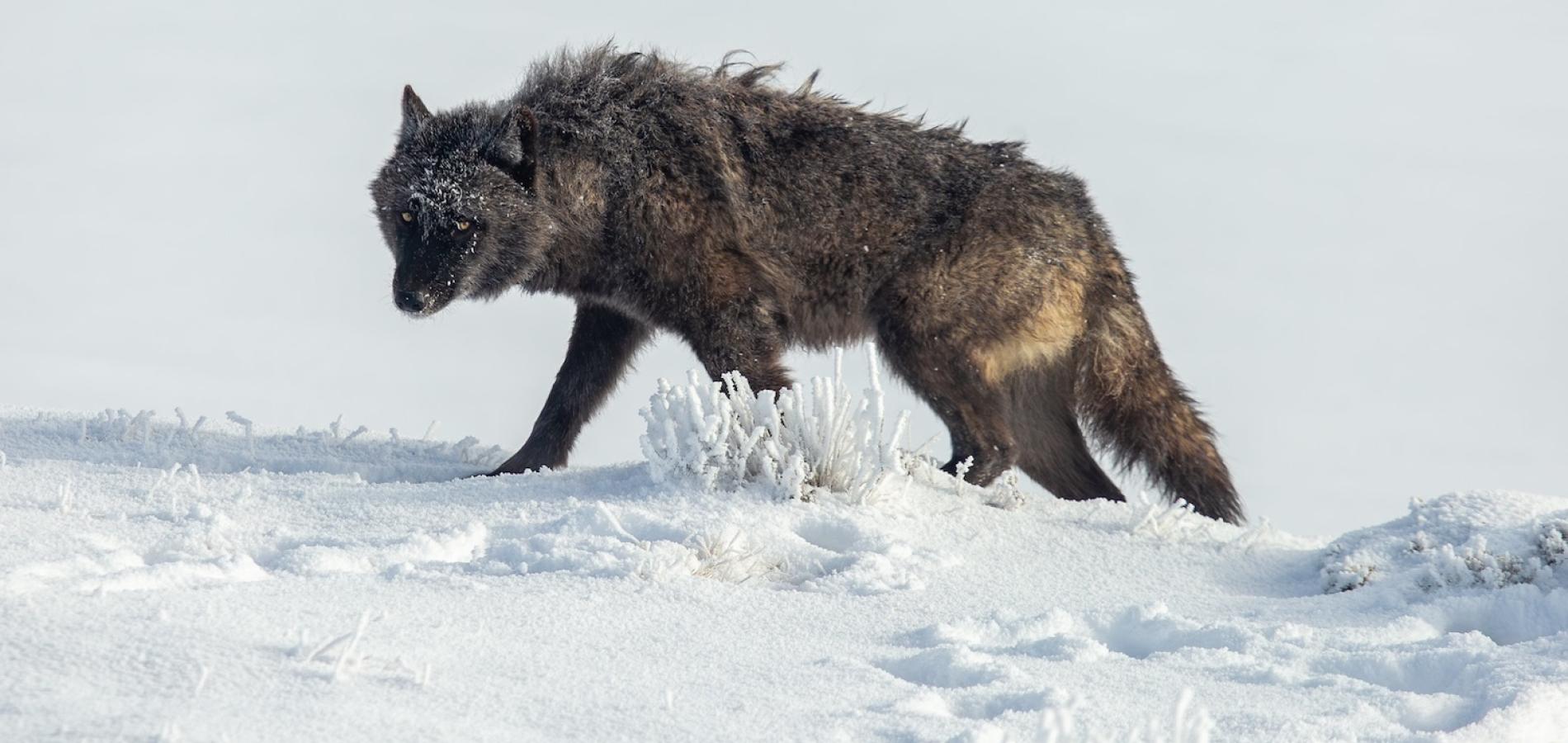
Resource protection requires resource monitoring, which appears to be in jeopardy with the budget impasse in Congress. That occurred during the last federal shutdown in 2018-19 when the decades-long wolf-moose study at Isle Royale National Park in Michigan was curtailed. What usually is a seven-week-long winter research period to track wolves and moose was halted, and then had to be condensed once the shutdown ended.
“I think that one of the big concerns, at least for the monitoring data, is you can wind up with a data gap where nobody is out there collecting that water sample or air sample,” said Jon Jarvis, who was the Park Service’s director for the Obama administration.
“When you have a data gap, you wind up making the data less reliable, right? People can use it as a point of contention if they disagree with what the data says,” he added. “That also, I would say, applies to the climate monitoring that's going on in a bunch of parks as well.”
The risks of what could be lost during the shutdown has prompted the Grand Canyon Conservancy to fund a handful of positions at Grand Canyon National Park, including for the park’s fire archaeologist to assess how the Dragon Bravo Fire this past summer impacted cultural and archaeological sites on the canyon’s North Rim.
The Conservancy also is paying to ensure the shutdown doesn’t create gaps in water quality analysis, runoff modeling, and the installation of water gauges above Phantom Ranch, also necessitated by the wildfire that covered more than 145,000 acres.
“Our mission has always been to support Grand Canyon National Park, a role that becomes all the more essential when the park is facing challenges like the government shutdown,” said Liz Silkes, CEO of Grand Canyon Conservancy. “These projects protect the canyon’s ecosystems, cultural heritage, and water quality—efforts that can’t be paused without consequence. We’re proud that generous donor support allows us to step in and keep this vital work going.”
But not all parks are as fortunate as the Grand Canyon. The shutdown has placed a hold on research at five park units on Lake Superior that the National Parks of Lake Superior Foundation was helping fund.

"Since virtually all of the natural resources people in the five Lake Superior parks have been furloughed, nothing is going on,” said Tom Irvine, the foundation’s executive director. “Our current projects include moose fecundity/recruitment research at Isle Royale, wilderness trout stream restoration at Pictured Rocks and smaller scale projects like bat monitoring at Apostle Islands. We were hoping to help continue acoustic amphibian monitoring in several of our parks, but that’s on hold, too.”
Exactly how many research projects across the National Park System might have been stalled is unclear. Park Service staff who oversee research projects have been furloughed, and Interior Department staff couldn’t immediately say.
Elaine Leslie, who served as the Park Service's chief of biological resources until her retirement, said there likely will be data gaps.
"In regards to research, much of it is done through universities and contracts. Many of those have been defunded. We don't know how many," she said in an email. "And many researchers potentially can’t go into parks and do their jobs. Staff needs to issue permits, oftentimes oversee and manage activities, and many researchers use park offices. With the shutdown, these areas are shuttered. And lack of support staff inhibits their work.
"The inability to continue with research projects is a great waste of money. Some researchers are a year or two into a study and now have to stop. That is a disruption in data collection and analysis and can completely throw a research project off, rendering it flawed," said Leslie. "Research is being lost on migratory species and habitat use and stopovers. Who is monitoring predation, or a species that is on the brink? It could tip before anyone can take action."
Collecting Vital Information
But the research work is vast and multidisciplinary. In Yellowstone National Park, perhaps the most studied unit of the park system, anywhere from 130-200 research projects alone are conducted each year, touching on biology, microbiology, geology, and more.
At Everglades National Park research runs the gamut, from invasive species’ impacts on the native flora and fauna to whether restoration of the “river of grass” is having the desired results. Rockweed, a type of seaweed used as a fertilizer, nutritional supplement, pharmaceuticals, and even seasonings, at Acadia National Park has long been studied.
And in North Dakota, scientists from North Dakota State University have worked with the Park Service staff at Knife River Indian Villages National Historic Site on how to regenerate woodlands on the park’s landscape.
The list goes on and on. All of this scientific research is key to the management and health of the parks because it keeps managers informed on myriad issues.
The multi-billion-dollar restoration of the “river of grass” in the Florida Everglades is a highly visible project, but park staff across the park system also are involved with projects touching on species’ habitat and interactions, monitoring slopes for landslide potential, exploring how best to restore both forests and grasslands, protecting archaeological and cultural resources, and inventorying species to understand which are thriving and which might need help.
Making Sure Parks Work
But it’s not just research that’s been interrupted.
“It's not just about people at the entrance station, people in the visitor centers, people patrolling the roads to make sure that people are safe,” Wenk pointed out.

It’s behind-the-scenery operations that park visitors do not typically see: running the wastewater treatment systems, protecting cultural resources, and managing fisheries.
“It's management of the infrastructure and the projects. It's people who understand how to build the things that we need to support visitation and just take care of the parks,” Wenk stressed. “That's being done at the most superficial level of all right now, and that can't be sustained.”
Places That "Can't Take Care Of Themselves"
What remains to be seen is how the Trump administration’s efforts to reduce the size of the National Park Service and the rest of the federal workforce collide with congressional efforts to extend the Great American Outdoors Act, legislation that has provided billions of dollars for backlogged maintenance projects during the past five years.
Should Congress renew that endeavor, the Park Service might well lack staff to implement it. Wenk, whose Park Service career included time spent overseeing the Denver Service Center (DSC) that houses the agency's planners and project managers, said that arm has lost about 30 project managers to downsizing.
Cutting staff for the sake of cutting staff, he said, is extremely shortsighted.
“Some of that overhead was in place because it was absolutely the most efficient way to do business,” he said, explaining that the DSC had teams of planners and project managers who could work across many parks that individually couldn’t afford such positions.
“It's unbelievable to me that anyone can look at this situation or so many others across the government and say, ‘Well, obviously we need to cut people,’ without understanding the impact of the loss of those people, the expertise they brought to the table,” Wenk said.
In the Alaska Regional Office, said Jarvis, who was superintendent of Wrangell-St. Elias National Park and Preserve on his way up the Park Service ladder, the park units scattered across the state depend on that office for help.
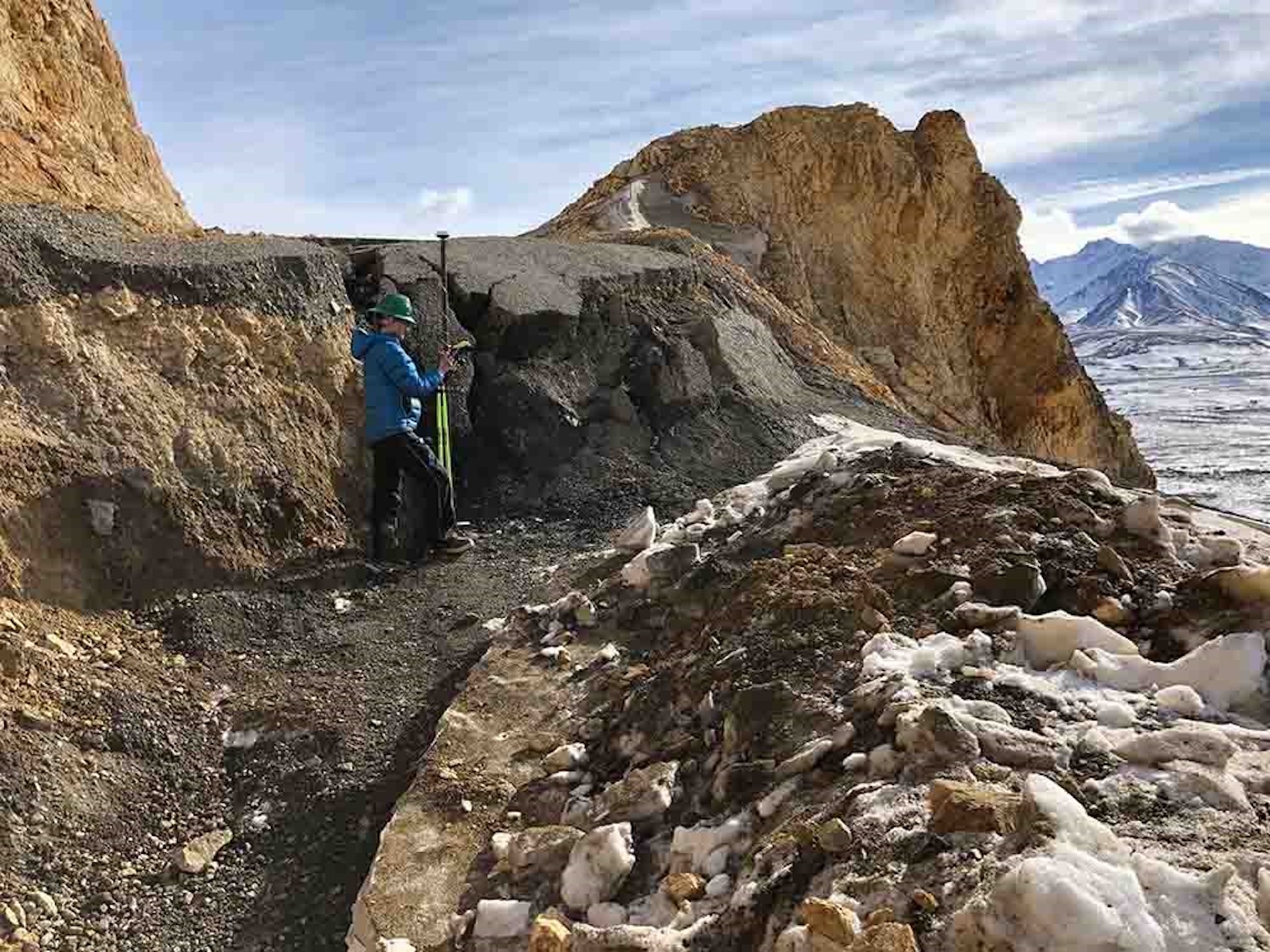
Before the Trump administration hit the regional office with a reduction in force early this year, it was staffed by what Jarvis dubbed “circuit riders.”
“It's people that are the core of the natural resource staff and the cultural resource staff,” he explained. “Archaeologists and curators and paleontologists and biologists. They go out and do this work in the parks. Other than Denali and maybe Katmai, [individual parks in Alaska] really don't have much resource staff on staff. Most of it is in the regional office. So if you go in there and you gut that office, then you're really gutting the parks at the same time.”
To have all these positions and work waylaid, he and Wenk agreed, justifies closing the parks to the public.
“Damage is being done. And the question is, are we going to be able to figure out what the damage is, and what the long-term impacts are?” Wenk asked. “What is going to have to be lost for people to understand that these places can't take care of themselves?”
Story Categories:
A copy of National Parks Traveler's financial statements may be obtained by sending a stamped, self-addressed envelope to: National Parks Traveler, P.O. Box 980452, Park City, Utah 84098. National Parks Traveler was formed in the state of Utah for the purpose of informing and educating about national parks and protected areas.
Residents of the following states may obtain a copy of our financial and additional information as stated below:
- Florida: A COPY OF THE OFFICIAL REGISTRATION AND FINANCIAL INFORMATION FOR NATIONAL PARKS TRAVELER, (REGISTRATION NO. CH 51659), MAY BE OBTAINED FROM THE DIVISION OF CONSUMER SERVICES BY CALLING 800-435-7352 OR VISITING THEIR WEBSITE. REGISTRATION DOES NOT IMPLY ENDORSEMENT, APPROVAL, OR RECOMMENDATION BY THE STATE.
- Georgia: A full and fair description of the programs and financial statement summary of National Parks Traveler is available upon request at the office and phone number indicated above.
- Maryland: Documents and information submitted under the Maryland Solicitations Act are also available, for the cost of postage and copies, from the Secretary of State, State House, Annapolis, MD 21401 (410-974-5534).
- North Carolina: Financial information about this organization and a copy of its license are available from the State Solicitation Licensing Branch at 888-830-4989 or 919-807-2214. The license is not an endorsement by the State.
- Pennsylvania: The official registration and financial information of National Parks Traveler may be obtained from the Pennsylvania Department of State by calling 800-732-0999. Registration does not imply endorsement.
- Virginia: Financial statements are available from the Virginia Department of Agriculture and Consumer Services, 102 Governor Street, Richmond, Virginia 23219.
- Washington: National Parks Traveler is registered with Washington State’s Charities Program as required by law and additional information is available by calling 800-332-4483 or visiting www.sos.wa.gov/charities, or on file at Charities Division, Office of the Secretary of State, State of Washington, Olympia, WA 98504.


