


National Park Service stewardship programs and initiatives, meant to increase awareness around the National Park System, aren’t reaching all Americans equally, according to a study that sought to understand the socioeconomic factors impacting the public’s engagement with NPS outreach.
The study (attached), published this year, offers insights into demographic discrepancies around Park Service initiatives and points to a need for the agency to increase its awareness around who may be falling through the cracks when it comes to its outreach.
The study was carried out because “the Park Service has an interest in being relevant to all of the American public,” explained Steven Lawson, a senior project manager at DJ&A, P.C. and one of the study’s authors, during an interview. “They are a publicly funded organization, whose mission is to provide outstanding opportunities for all of the American public to learn about, engage with American natural and cultural history. And so, it’s important for the Park Service to assess how it’s doing in terms of speaking to, and being relevant to, all Americans.”
The study included White, Black, and Hispanic respondents and focused on awareness of education, recreation, and cultural programs. All of the data came from the third Comprehensive Survey of American Public (CSAP), a nationwide telephone survey consisting of 25-minute interviews with more than 2,700 adult respondents across the United States.
Olivia Juarez, the public lands program director of GreenLatinos, a national non-profit of Latino leaders that aims to confront national and local environmental issues in the Latino community, argues that the study was somewhat weakened by its exclusion of participants residing in Puerto Rico, Guam, American Samoa, and the U.S. Virgin Island where NPS-managed units exist. “It matters that residents of the Commonwealth and U.S. Territories are included so future assessments can improve awareness about, and relevance of, NPS education, cultural and recreation programs for those who live the closest to these units,” she explained.
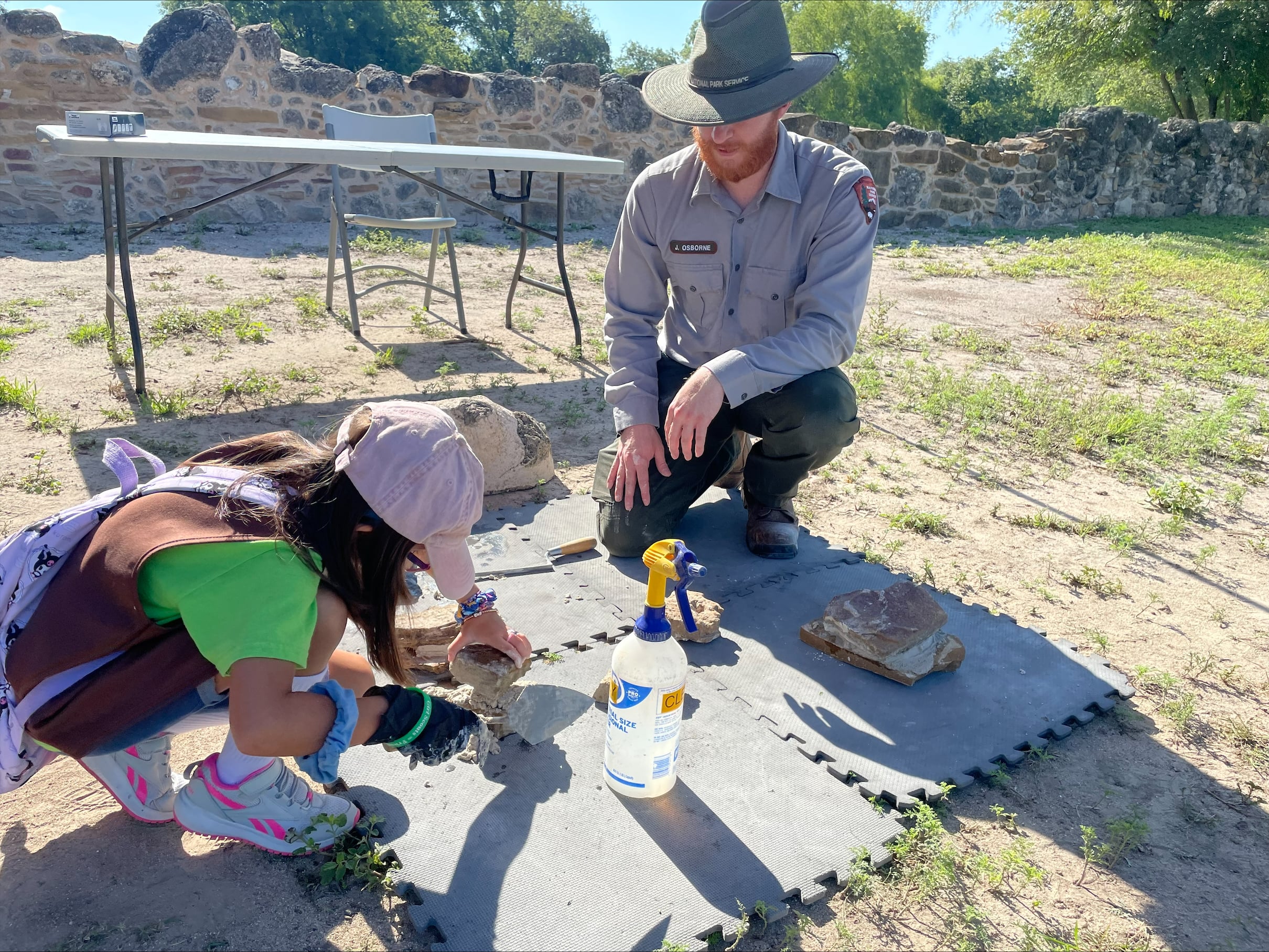
The Park Service has been working with communities and local partners to promote collaborative stewardship through a range of programs, but important discrepancies still exist. The study’s researchers found that awareness of certain Park Service initiatives was especially low among Black respondents, likely due to differences in education levels and accessibility to parks.
Lawson noted, however, that one thing that stood out to him “is the amount of similarities in statistical results among Hispanic, Black, and White non-Hispanic sub groups…There’s a whole lot of similarity across those groups on a number of the measures.” For example, a similar percentage of each subgroup knew of a National Historic Landmark within their communities. The numbers were also similar when looking at participants that had used online content to explore and learn about historical places important to U.S. history.
But he did point out “the relatively low awareness of and engagement in…the programmatic component of the Park Service’s public offerings across all subgroups.”
“I think that’s as much an opportunity as it is a challenge,” he added.
Stewardship activities, such as the Park for Every Classroom initiative that connected teachers and community partners with Park Service staff to encourage the use of NPS resources as extensions of classrooms, and Urban Agenda, which aimed to facilitate connections of park system units with American public living in urban areas, are examples of attempts by the agency to increase awareness of national parks and other NPS units.
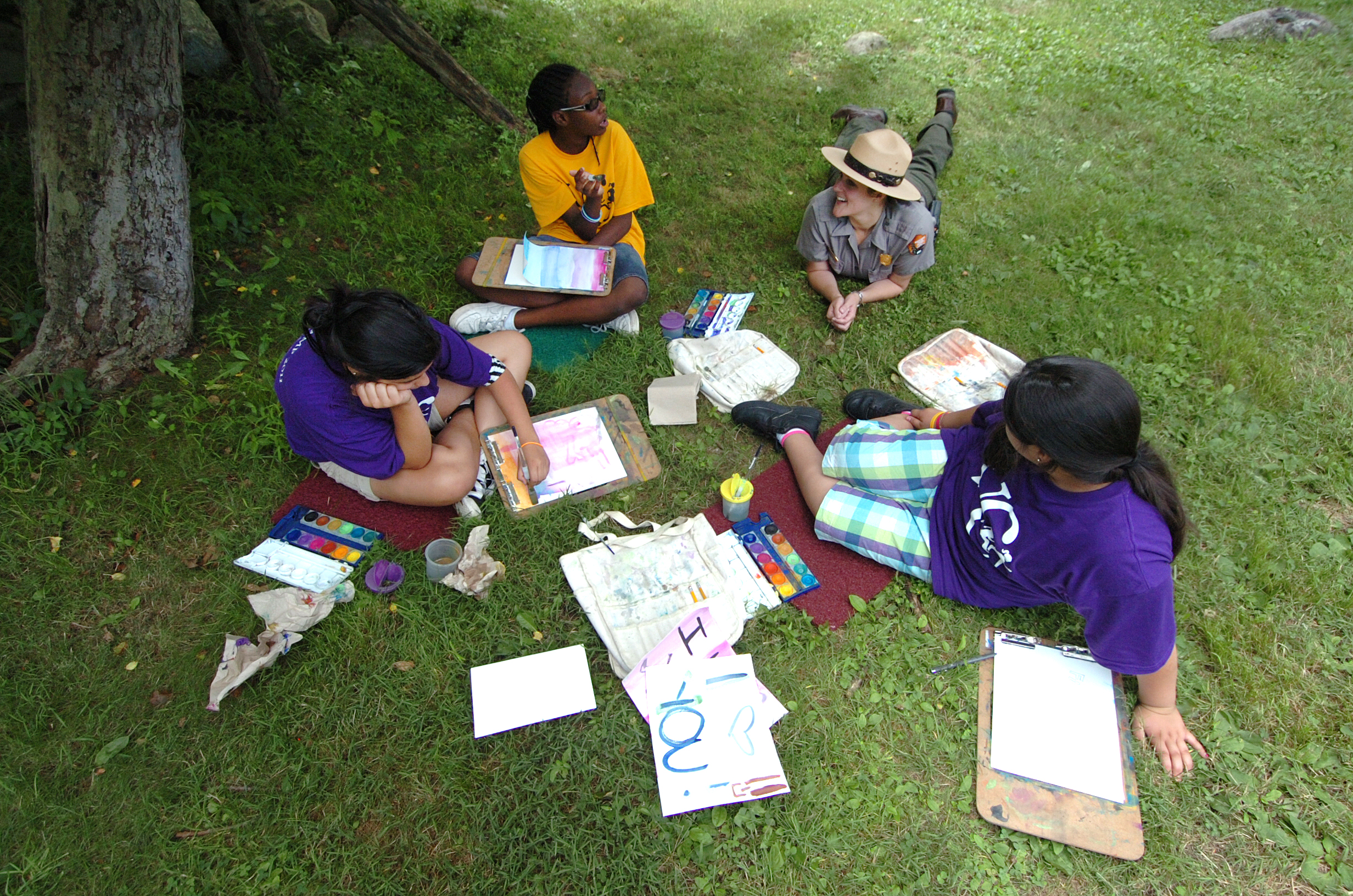
Despite their best efforts, research shows that knowledge and awareness about Park Service stewardship and protected areas have been relatively low in general. For example, according to CSAP 3, nearly 50 percent of respondents said they had visited an NPS unit within the last two years, but they were not able to recall the name of the place they had visited.
While this may seem promising when looking at rates of visitation, it raises a red flag when it comes to awareness.
“I think that it suggests that the Park Service is right to be thinking more broadly about engagement and has additional work to do on marketing and awareness,” said Lawson.
The study notes that awareness seems to be driven in great part by education levels and spatial proximity. Those with higher education levels tend to be more aware of park system units, and those who live closer to units, such as national parks, tend to be more aware of them, unsurprisingly.
Historically, White residents have been more likely to visit national parks and other park system units compared to racial and ethnic minority groups. Much of this can be explained by differences in socio-economic resources (financial resources, transportation, education levels, etc.).

However, the study stated that “NPS stewardship is highly known and recognized by Hispanics, indicating the success of NPS initiatives and opportunities to enhance the relevancy and engagement with a few traditionally underrepresented groups, and these initiatives should continue to be inclusive and adaptive to the changing American demographics.”
“Hispanics and Latinos in the U.S. are consistently the nation’s strongest public land and conservation supporters, as shown time and time again by the annual Conservation in the West Poll and the findings of this assessment,” explained Juarez.
There are, of course, many factors at play. The researchers noted that, compared to Whites, racial and ethnic minority groups are more likely to visit urban parks, culture-oriented parks, and theme parks, and they are also more likely to visit parks in larger groups.
It has also been suggested that encountering discrimination (both interpersonal and institutional) might make minority groups feel uncomfortable and unsafe when visiting parks and recreation areas. According to a 2017 study, Hispanics and African Americans were more likely to feel uncomfortable and unsafe than Whites in park system units, even when visiting units located in urban areas.
A 2024 study pointed out that, considering perceptions around safety in national parks, “Understanding the specific values and uses African Americans…ascribe to natural landscapes can provide more insight for how national parks can be repurposed to meet their needs and desires.”
The same applies to Hispanic visitors, according to Juarez. “Significant environmental, racial, and economic injustices block Hispanic and Latino communities from improving their well-being by accessing and feeling a sense of belonging in national park units…NPS stewardship and outreach programming can and should equalize access.”

The current research attempted to help explain where the discrepancies in awareness and engagement are most pronounced. For the first time, the CSAP expanded its understanding of “engagement” to include questions related to public awareness of NPS even when it wasn’t related to visiting national parks in person, which allowed the researchers to better understand the successes and shortcomings of Park Service stewardship initiatives.
When looking at NPS education programs, for example, they showed that watching a park webcam showing a nature setting was the most frequently used education initiative, but Black and Hispanic respondents were significantly less likely than White respondents to watch.
However, Black respondents were significantly more likely to use NPS online programs as a child than White and Hispanic respondents. This may be due to the inability for Black respondents to have the same in-person access to NPS units, leading to more reliance on online resources.
Discrepancies are understandable, said Lawson, considering that “broadening the offerings to include educational and community-based programs is a relatively new initiative. These things take some time.”
Overall, participants were much more likely to be aware of cultural programs than education and recreation programs. Notably, more than 60 percent of the respondents were aware of the property within their communities listed in the National Register of Historic Places. When it came to cultural programs, there was almost no distinction between the three groups that were studied, though Hispanic respondents were more likely to be aware of cultural programs.
One thing that all respondents seemed to agree on was the importance of the National Park Service when it comes to U.S. national identity. All three groups agreed that it is important, though White respondents were the most likely to agree.
“The NPS can make progress on accomplishing its mission through outreach and programs intended to promote nature-focused unit visitation and nature-focused programming in Hispanic and Latino communities across the U.S. and Puerto Rico,” said Juarez. “These efforts will be most successful and well-known when the NPS incorporates our community’s voices in program design and execution.”
There are many areas where the Park Service has a chance to use this data to improve its stewardship programs. For example, since a few education programs were known or used by less than 20 percent of respondents, there’s a need to promote online Park Service education programs with content, formats, and interactions that better align with public interests.
“The digital universe is critical,” said Lawson. “And the Park Service has a team that’s oriented specifically to their digital resources and engagement.”
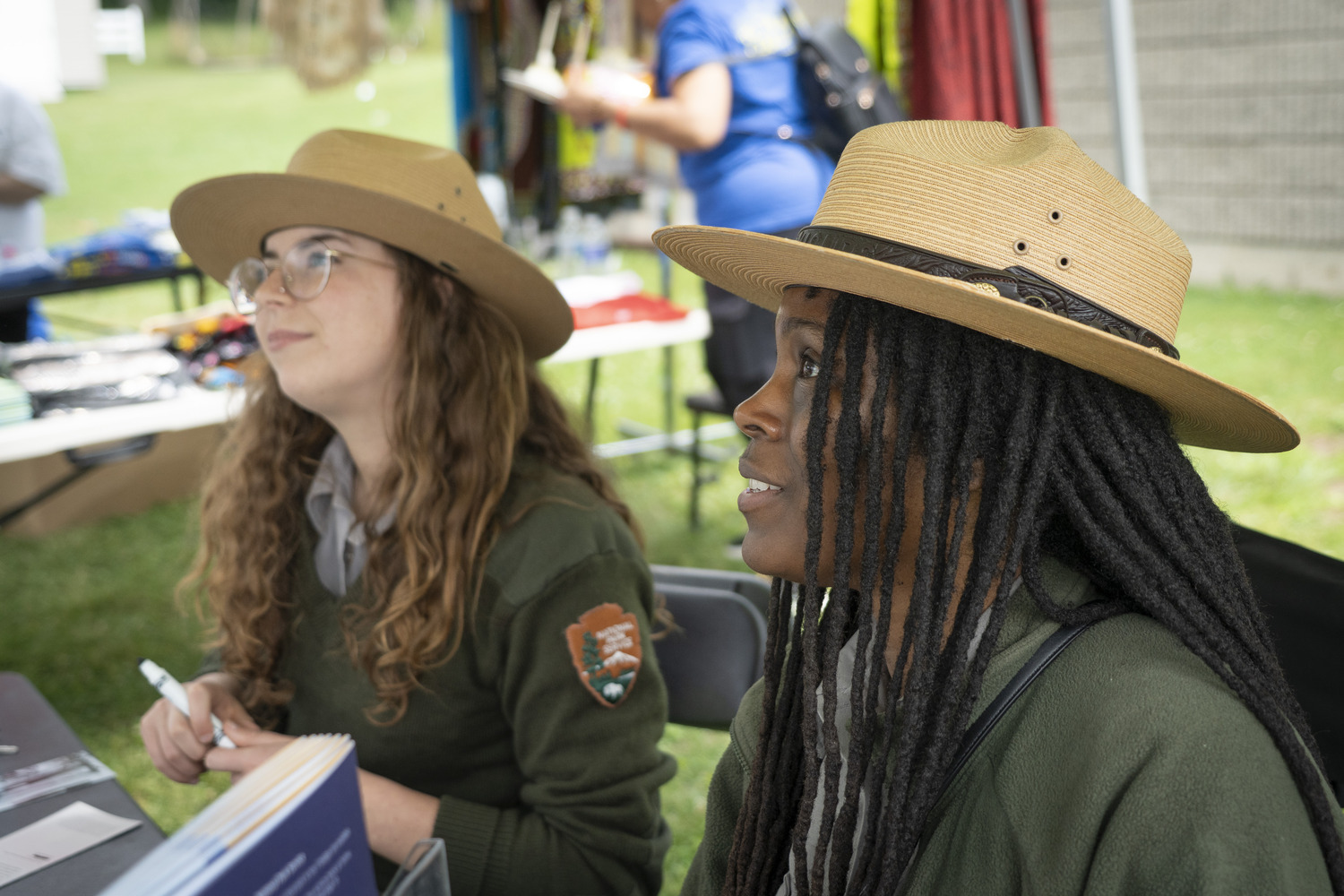
Also, low levels of awareness about community-based programs highlights an opportunity for NPS to strengthen its relevance through resource-based public engagement strategies, such as park-based events and community nights that bring community members together to share stories and memories with parks.
Juarez pointed out that the authors’ finding that “‘co-governance of cultural and recreation resources between communities and proximate NPS units could be an essential approach to enhance public awareness of NPS stewardship,’ is encouraging. Chicano Park in Barrio Logan, San Diego, California, gained NPS stewardship resources when Barrio Logan residents successfully listed the park on the NPS-managed National Register of Historic Places in 2013 then secured its listing as a National Historic Landmark in 2017. Today, co-governance of the unit provides some of the most enriching and educational visitor experiences for visitors from near and far alike.”
Because the chance to co-govern the park exists, “free Wi-Fi access is provided to the public, a community based-organization operates the park museum, locals participate in park vegetation and mural management, neighborhood leaders…provide guided tours, and programming includes including youth-focused curriculum,” said Juarez. “This indicates that co-governance of education, cultural, recreation, and ecosystem stewardship resources is popular and successful, leading to increased public awareness of NPS programs.”
Lawson echoed Juarez’s emphasis on community engagement. “The results [of the study] suggest…that creating awareness, I think, has to happen at the community level, and that’s through the schools, it’s through community-based programs, and community-based presence.” The key to much of this, he said, is “collaboration with communities, engagement, a presence in communities, and not being shy about taking credit for stuff going on in communities that the park service is doing that people love.”
Perhaps one of the most important (yet obvious) findings of the study was that those who had visited a park system unit were significantly more likely to engage in education programs, such as following the Park Service on social media.
For those who visit national parks and other NPS units, it’s crucial to make sure they see themselves reflected in those spaces. “As much as any information that you could put on a website about what’s offered at a park, I think making sure that…the National Park Service workforce is a mirror of the American public…would be really critical to continuing to move the needle on broad social relevance,” said Lawson. “Why would I visit a place where I can’t see myself?”
Jaurez agrees. “[T]he agency must continue to assess the race and ethnicity of NPS employees, and undertake initiatives to recruit, retain and promote a workforce that represents the demographics of America.”
NPS has strong programs and strategies in place, notes Lawson. “It’s a matter of time and resources, i.e. funding, to…move forward with some of these things that [have] already kind of been identified as ways to make some progress.”

Story Categories:
A copy of National Parks Traveler's financial statements may be obtained by sending a stamped, self-addressed envelope to: National Parks Traveler, P.O. Box 980452, Park City, Utah 84098. National Parks Traveler was formed in the state of Utah for the purpose of informing and educating about national parks and protected areas.
Residents of the following states may obtain a copy of our financial and additional information as stated below:
- Florida: A COPY OF THE OFFICIAL REGISTRATION AND FINANCIAL INFORMATION FOR NATIONAL PARKS TRAVELER, (REGISTRATION NO. CH 51659), MAY BE OBTAINED FROM THE DIVISION OF CONSUMER SERVICES BY CALLING 800-435-7352 OR VISITING THEIR WEBSITE. REGISTRATION DOES NOT IMPLY ENDORSEMENT, APPROVAL, OR RECOMMENDATION BY THE STATE.
- Georgia: A full and fair description of the programs and financial statement summary of National Parks Traveler is available upon request at the office and phone number indicated above.
- Maryland: Documents and information submitted under the Maryland Solicitations Act are also available, for the cost of postage and copies, from the Secretary of State, State House, Annapolis, MD 21401 (410-974-5534).
- North Carolina: Financial information about this organization and a copy of its license are available from the State Solicitation Licensing Branch at 888-830-4989 or 919-807-2214. The license is not an endorsement by the State.
- Pennsylvania: The official registration and financial information of National Parks Traveler may be obtained from the Pennsylvania Department of State by calling 800-732-0999. Registration does not imply endorsement.
- Virginia: Financial statements are available from the Virginia Department of Agriculture and Consumer Services, 102 Governor Street, Richmond, Virginia 23219.
- Washington: National Parks Traveler is registered with Washington State’s Charities Program as required by law and additional information is available by calling 800-332-4483 or visiting www.sos.wa.gov/charities, or on file at Charities Division, Office of the Secretary of State, State of Washington, Olympia, WA 98504.


