
Ponderosa, Big Pine Of The Southwest
Author : Sylvester Allred
Published : 2015-02-19
Support National Parks Traveler, and purchase this product at Amazon.com

They are one of the iconic trees found in parts of the Southwest and Rocky Mountain states. You can’t miss their massive stature and warm, red trunks when you’re out on a hike in the national parks.
And If you get close enough and try to wrap your arms around the massive trunks, you can’t help but think that you’re in a candy store. Ponderosa Pines, you see, smell like butterscotch pudding or vanilla extract if you get your face right up next to the bark and take a good snort.
But with a warming climate, and more frequent and longer lasting periods of drought, these forests of Ponderosa can quickly turn into massive wildfires that overrun the landscape.
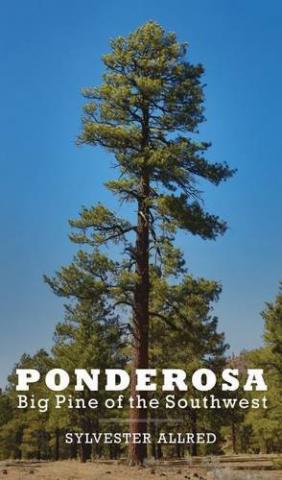
In a new book from thse University of Arizona Press, Sylvester Allred provides a wonderful overview of these massive trees. Small enough (5 inches by 8.5 inches) to stick in your back pocket or day pack when you’re out in national parks such as Bryce Canyon, the North Rim of this Grand Canyon, Zion National Park, and even up into Rocky Mountain National Park, this softcover book, Ponderosa, Big Pine of the Southwest, is a great resource to take with you.
Within its 92 pages you’ll find such basic information as the range of Ponderosa pine forests and the wildlife that take refuge in the trees or feed on their pinecones. You’ll also learn a little about how these great trees where used by humans down through the centuries. For instance, Mr. Allred tells us the ancestral Puebloans used these trees for beams in their cliff dwellings. This was not always an easy task, he adds, as communities that are recalled today at Chaco Culture National Historical Park in New Mexico were located more than 50 miles from the nearest Ponderosa forests.
Ponderosa pine also went into railroad ties, mine shafts, and even to make ammunition crates during World War II.
Spend any time hiking through Ponderosa pine forests and you’re likely to come upon some of the residents that call them home. Up in the branches or dashing down the trunk you might spot an Abert’s squirrel or an Arizona gray squirrel. Closer to the ground will be Golden mantle ground squirrels darting about, while pocket gophers might have tunneled their homes around the trees roots. The forests also are home to coyotes, elk, gray fox, mountain lions, raccoons and porcupines.
Higher up in the tree branches you might see woodpeckers, juncos, chickadees or pine siskins, a small handful of the bird species flitting about.
For those really interested in Ponderosa pines, you'll want to turn to page 11 where the author explains how Ponderosa pines of different ages gained the name “blackjacks” or “yellowbellies.” Blackjacks were named for their darker bark, which reflects a relatively young tree. Once trees get to about 100 years old, Mr. Allred explains, the bark turns a deep orange, or maybe a rusty red color, which gave rise to nickname yellowbelly.
There are more than 50 photos used to illustrate the book. The full-color pictures show such things as growth rings, the different colors of tree bark, lightening scars, the difference between male and female pine cones, and some of the wildlife that call these forests home.
For those considering a career in forestry, the book also offers suggested readings you can delve into to expand your knowledge of the Ponderosa pine. All in all, a great resource for your national park library.


National parks and their natural resources belong to you. The National Parks Traveler works to ensure you know how these essential places are being cared for.
Sign Up For Our Weekly Newsletter
Unsubscribe at any time.
INN Member

The easiest way to explore RV-friendly National Park campgrounds.

Here’s the definitive guide to National Park System campgrounds where RVers can park their rigs.
Our app is packed with RVing- specific details on more than 250 campgrounds in more than 70 national parks.
You’ll also find stories about RVing in the parks, tips helpful if you’ve just recently become an RVer, and useful planning suggestions.

