
Nestled beneath the Sierras, Whiskeytown National Recreation Area is a biologically rich environment of wildlife and plant life upon a landscape of lake, waterfalls, and mountains.
Here, you can fish for 19 species of native and nonnative fish, find the largest terrestrial salamander in North America, see one or more of the 163 species of birds that either call the park home or migrate through it, and admire over 1,000 species of vascular plants, including ponderosa pine, manzanita, and yerba santa, a bitter plant with shiny leaves traditionally used as a medicine for respiratory issues and skin conditions.
Waterfalls
You can hike to four main waterfalls: Whiskeytown Falls, Crystal Creek Falls, Boulder Creek Falls, and Brandy Creek Falls. Each of these falls possess some unique bit of trivia.
Whiskeytown Falls is the tallest cascade in the park. This three-tiered waterfall has a total height of 220 feet (67 meters).
Crystal Creek Falls was moved to its present location in the early 1960s to make way for the Trinity River diversion tunnel. So, when you hike the short, paved trail to this waterfall, you’ll see the valve house to your right (When it is necessary to dewater the tunnel for maintenance, the valve is turned off and the excess water from the tunnel spills into Crystal Creek).
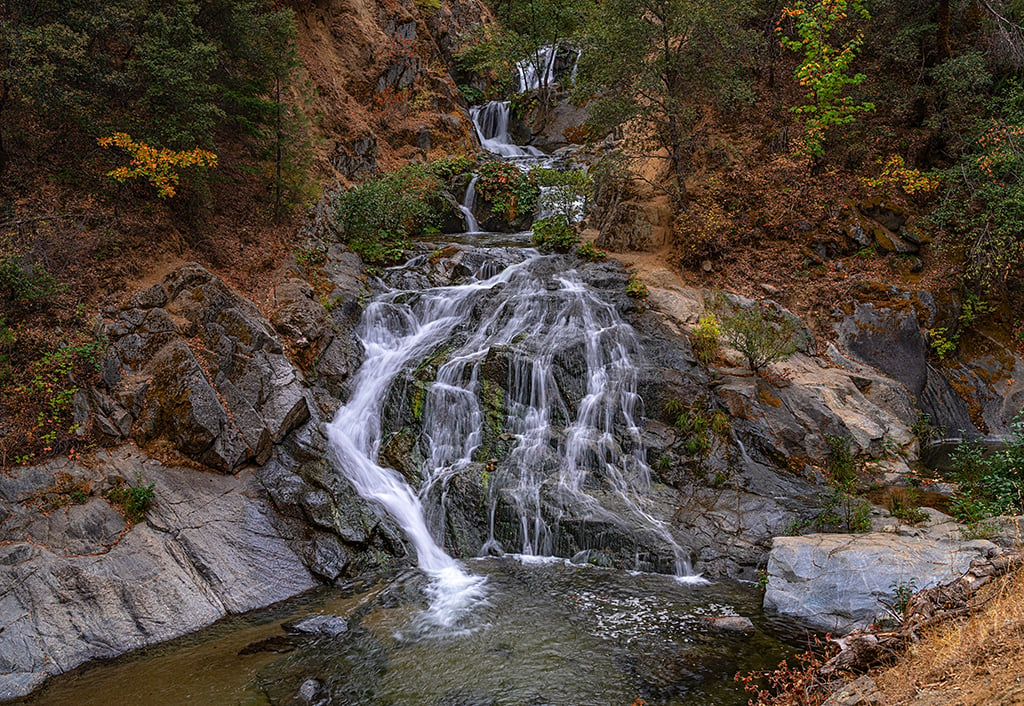
Boulder Creek Falls consists of three cascades flowing through a box canyon, which is a narrow canyon with a flat bottom and vertical or nearly-vertical walls. Google defines this as a sort of “geological dead end,” since a box canyon “terminates upstream in a solid cliff or wall, providing access from only one side.”
Brandy Creek Falls flows over a dark green rock known as the Copley greenstone, which is basalt formed by shallow underwater volcanism about 400 million years ago. The trail to Brandy Creek Falls is on an old logging road through dense second-growth forest. Currently, the trail is closed past the lower cascade due to environmental hazards and safety concerns following the Carr Fire.
If you brought along your camera, you can practice capturing silky water shots of these waterfalls. Just make sure you brought your tripod with you, too, because the silky water technique of making the water appear satiny requires a slow shutter speed.
Shasta Bally
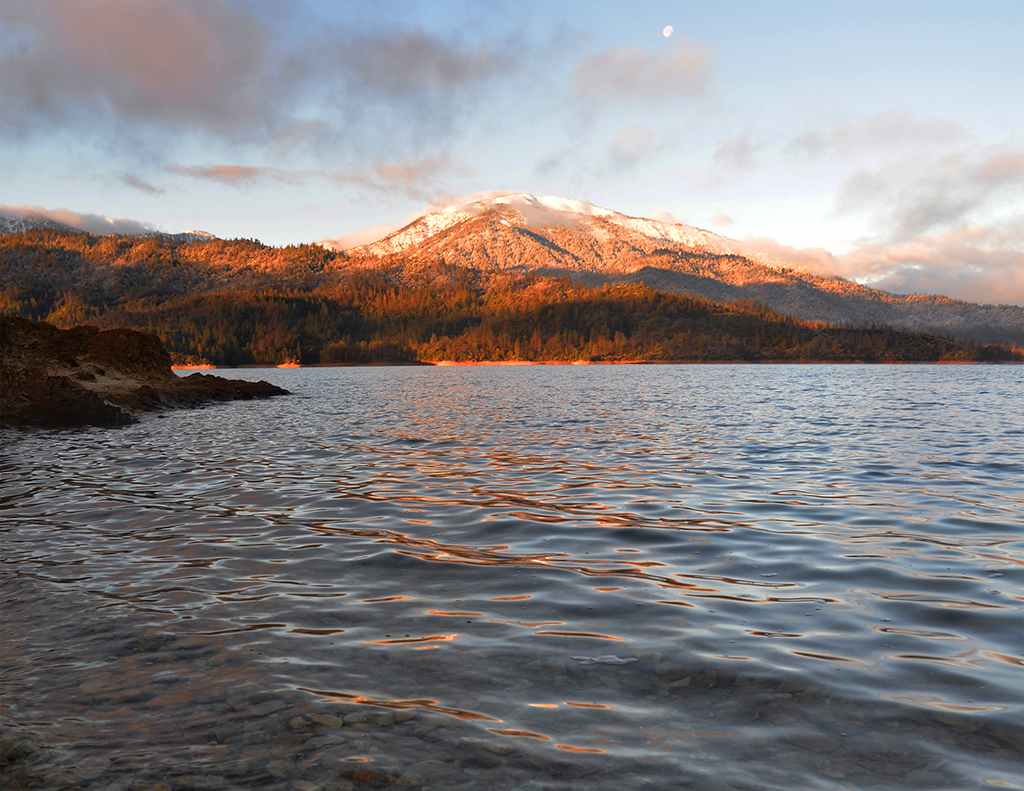
The Wintu word for mountain is “bally,” and the tallest mountain within Whiskeytown National Recreation Area is Shasta Bally, with an elevation around 6,209 feet (1,893 meters). The road is closed to regular vehicles but you can hike or mountain bike up the 5.5-mile (8.9-kilometer) steep, winding, dirt road for an elevation gain of 4,400 feet (1,341 meters) and expansive views of the national recreation area, Trinity Alps, Mount Shasta, Lassen Peak, and Bally Choop.
Most of Shasta Bally is comprised of the Shasta Bally batholith, an igneous intrusion of magma that cooled beneath the earth’s surface, covers an area of at least 40 square miles (100 square kilometers), and has no known bottom. This batholith was revealed only after millions of years of tectonic uplift and erosion of the surface rocks.
Wildlife
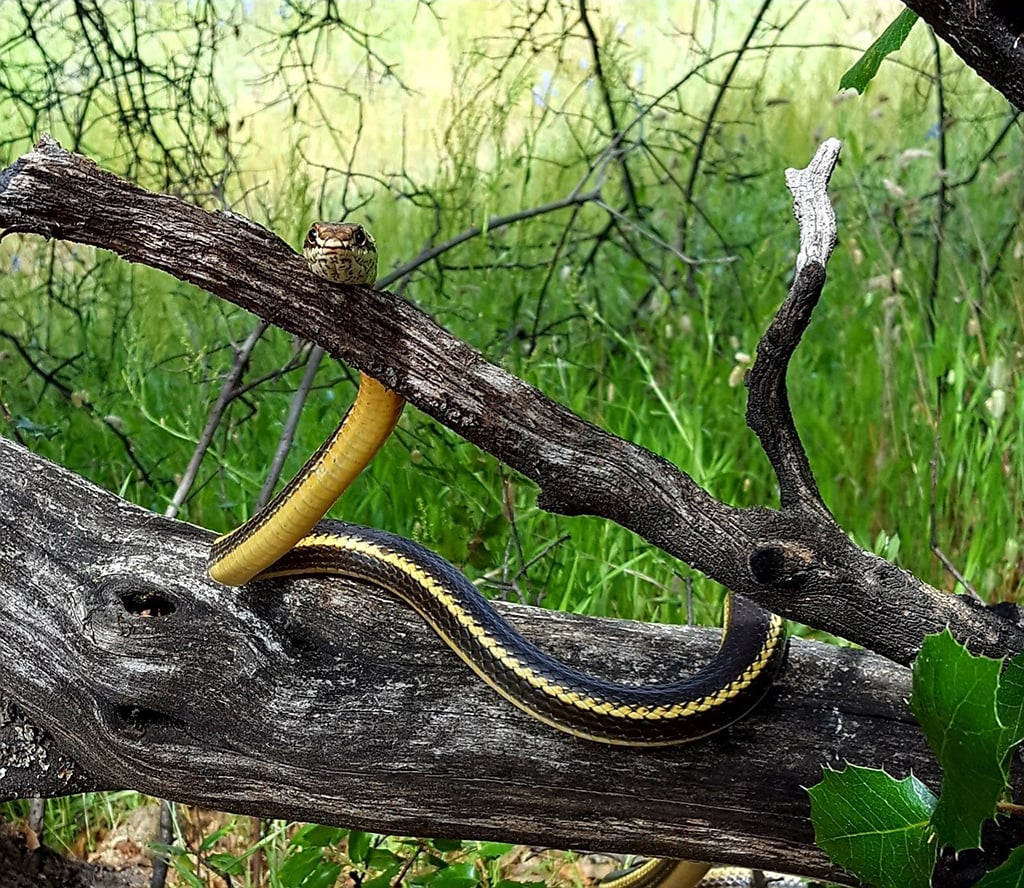
Living on, beneath, and within Whiskeytown’s landscape of water and rock is a diversity of wildlife, including amphibians, reptiles, birds, mammals, and fish. Here, you may see one or more of six species of frogs and toads, five species of salamanders, one newt species, at least 19 different species of fish, 21 different kinds of reptiles, 62 species of mammals, and 163 bird species either calling this national recreation area home or stopping over during their migration elsewhere.
Of these wildlife species, the park protects:
- Four federally threatened wildlife species
- One federal candidate species
- Twelve federal species of concern
- One California threatened species
- Ten California species of concern
Some of the more commonly-spotted wildlife by visitors include black bears, deer, squirrels, chipmunks, rabbits, the western whiptail lizard, tailed frog, and Pacific giant salamander, an indicator species whose presence denotes a clean, healthy aquatic environment (Brandy Creek is a known spot for these amphibians).
Fun fact according to Wikipedia:
While most salamanders are silent, the Pacific giant salamander is one of several salamanders that have vocal abilities. When startled, these salamanders may respond with a croaky-sounding cry like that of a barking dog.
Rarer wildlife sightings include fox, coyote, Pacific fisher (quite rare), bobcat, mountain lion, ring-tailed cat (which is not a cat but is related to the raccoon), and bat.
Whiskeytown Lake and its tributaries support native (eight species) and non-native fish (11 species). The California Department of Fish and Game regularly stocks the waters with rainbow and brook trout for recreational fishing purposes. Historically, kokanee salmon (landlocked salmon) and brown trout were also stocked and these species can still be found today.
You can get a full species checklist (including vascular plant species) by clicking on the Wildlife link above and scrolling to the bottom of the page.
Birds
For those of you who are birders, bird photographers, or simply enjoy watching the birds, you’ll be able to spot (or hear) plenty of species, including osprey, peregrine falcons, golden eagles, kildeer, loons, gulls, herons and egrets, geese, ducks, grebes, quail, grouse, woodpeckers, wrens, dark eyed juncos, and many, many more within this national recreation area.
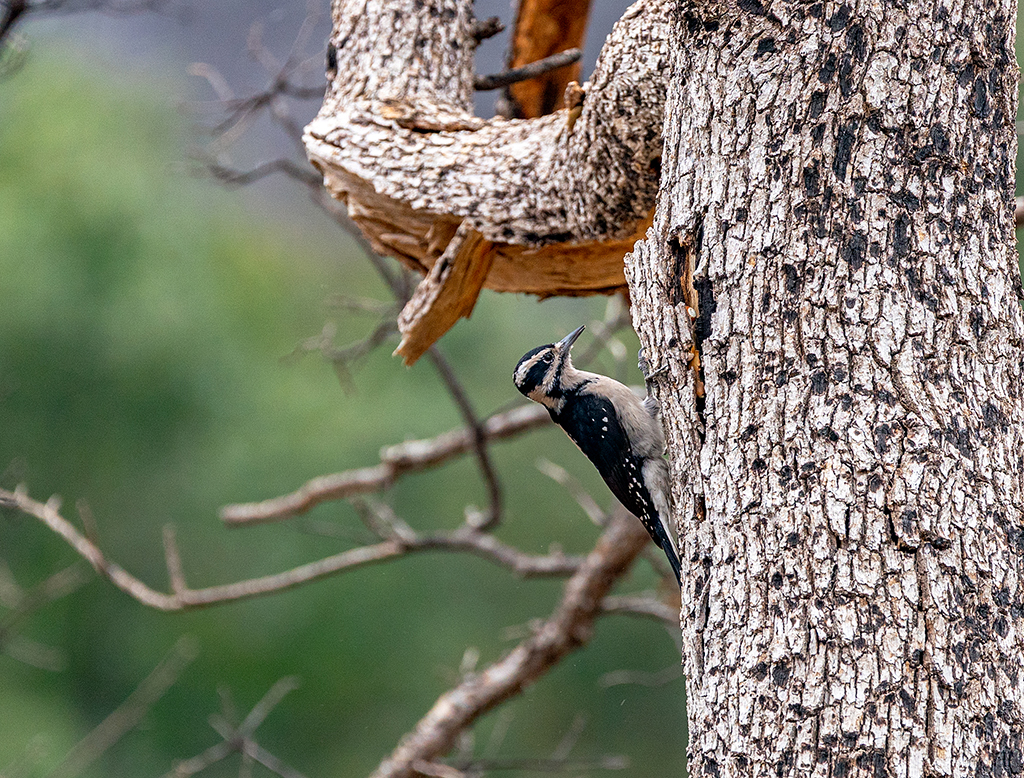
For great photos of these birds, make sure you have a telephoto lens focal length of at least 200mm on your camera, or use your smartphone’s telephoto setting. A “fast” camera that will shoot at least 20 fps (frames per second) is also helpful in getting sharp, clear shots of those feathered friends, since they won’t always stay still long enough for a close-up portrait shot.

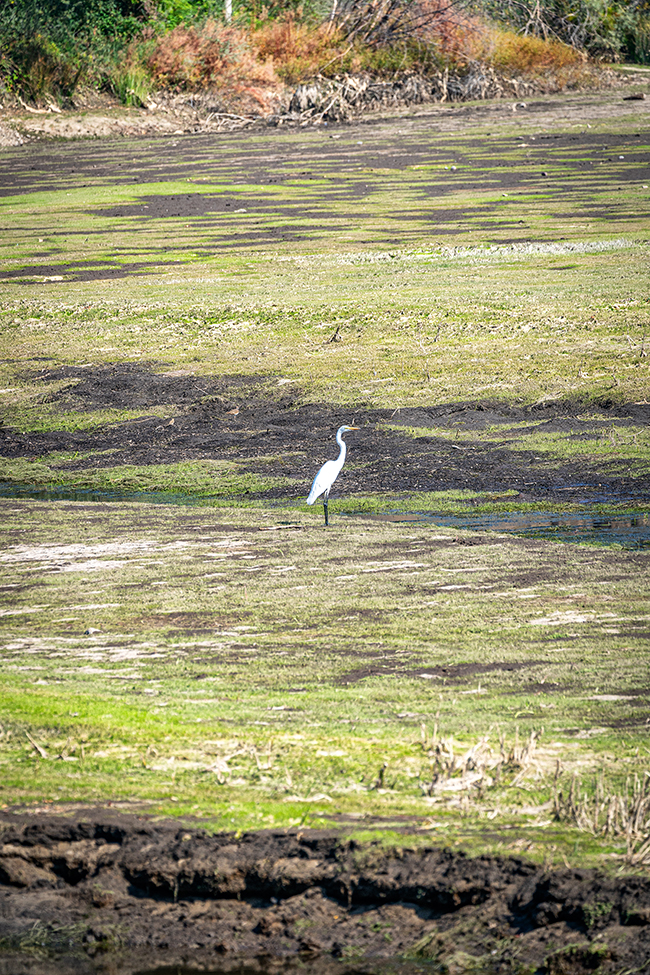
Even if you don’t have a telephoto lens or setting to capture a close-up of the birds, go ahead and get that landscape image with the bird(s) in it. Your viewers will see the environment in which these birds live, feed, and wander.
Plants
Visit Whiskeytown between April and August and you are likely to see colorful wildflowers either in patches alongside the trail or blanketing the landscape. You might even spot a calypso orchid (aka fairy slipper or Venus’ slipper). This lovely flower is a perennial in the orchid family, and while not considered rare, you might have to search a little to find this bloom.

Even if you visit this park and don’t see many wildflowers, you will still see some interesting shrubbery, like the Yerba santa (“holy weed), with its shiny, leathery, bright-green leaves. Named by the Spanish, Yerba santa is a common plant and easy to spot, especially in burn areas. It’s a bitter-tasting plant but Native Americans used it for such medicinal purposes to calm or heal respiratory issues, stomachaches, and poison oak rash. You can download the Whiskeytown Shrub brochure to help you identify the vegetation you see.
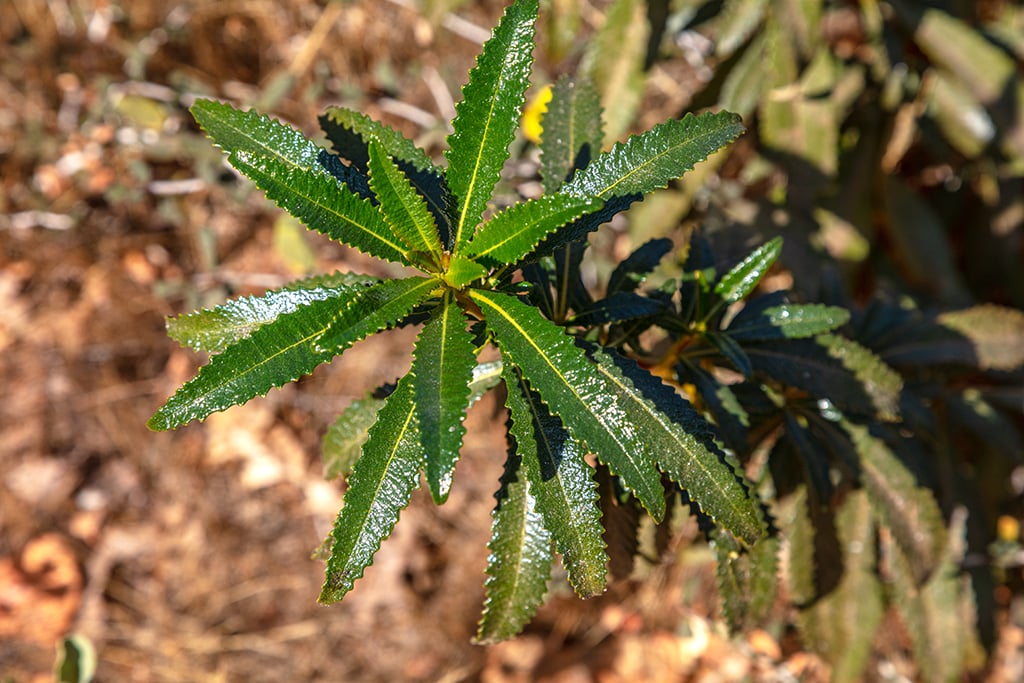
A variety of trees and shrubs cover Whiskeytown’s hillsides, including Douglas fir, ponderosa pine, and red fir. The Common Trees of Whiskeytown brochure will help you identify the trees you see during your exploration of the park.
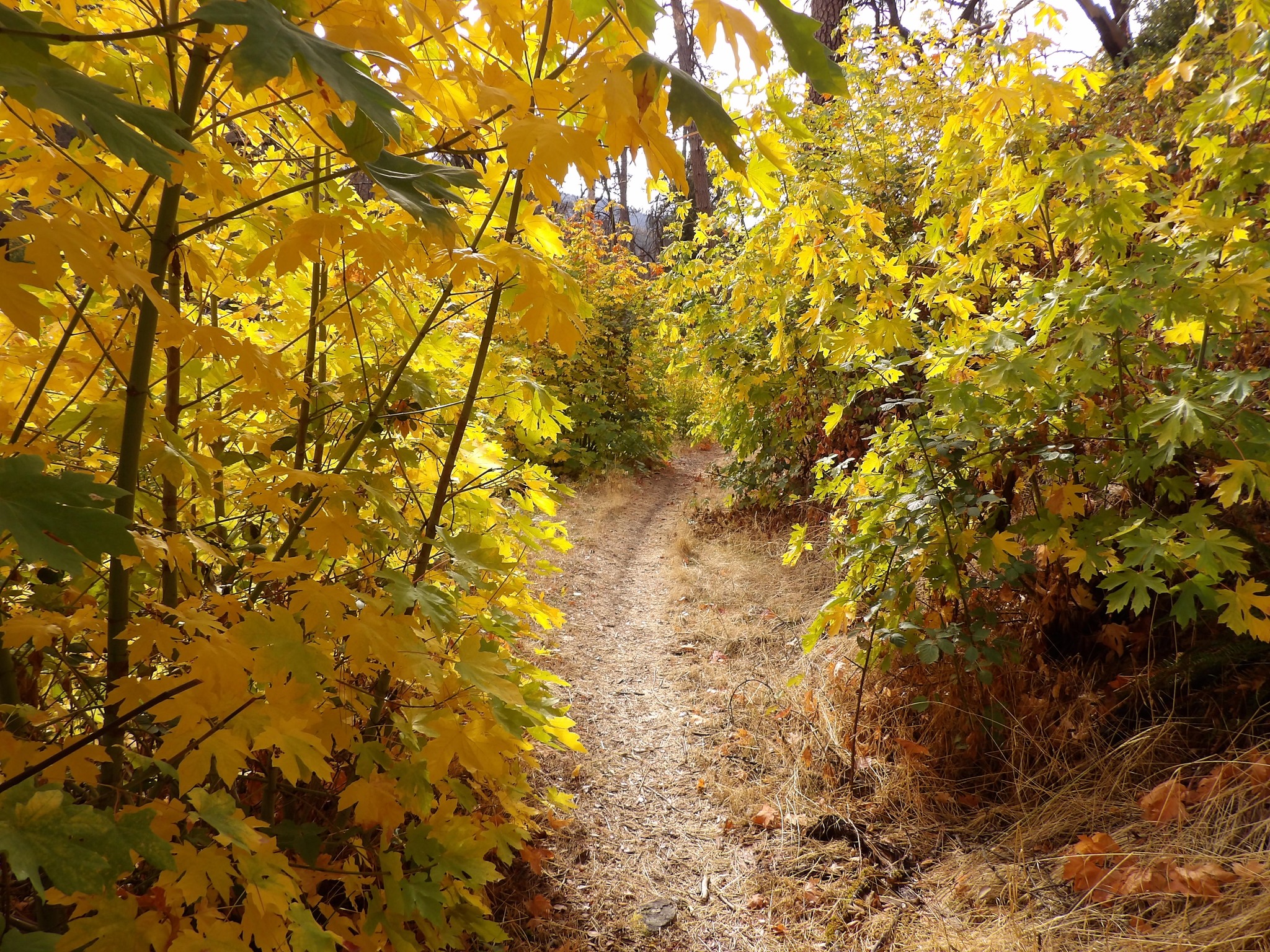
Come visit this national recreation area in the fall, when the leaves of the chaparral and oak ecosystems shed their green colors in favor of orange and yellow shades and maples turn yellow and red. Whiskeytown is a less-visited park for leaf peeping, so you’ll have few to no crowds during October and November.
- By Rebecca Latson - October 4th, 2025 6:17am





